
Pregnancy is a remarkable journey marked by physical and emotional changes, and the foundation for a healthy pregnancy begins with proper prenatal care. Prenatal care involves a series of medical check-ups, lifestyle adjustments, and educational resources that contribute to the well-being of the expectant mother and the developing baby. In this blog, we'll explore the significance of prenatal care and offer insights into key components to ensure a healthy pregnancy.
The Importance of Prenatal Care:
Early Detection of Potential Issues:
- Early and regular prenatal visits allow Dr. Parul Sharma to monitor the progress of the pregnancy and detect any potential issues. This includes identifying risk factors for conditions such as gestational diabetes, preeclampsia, or congenital disabilities.
Nutritional Guidance:
- Prenatal care involves personalized nutritional counseling to ensure the mother and baby receive the essential nutrients for optimal growth and development. A well-balanced diet is crucial for preventing complications and promoting a healthy pregnancy.
Monitoring Fetal Development:
- Regular check-ups include ultrasounds and other tests to monitor the growth and development of the fetus. This helps Dr. Sharma to identify abnormalities or concerns, allowing for timely intervention or additional support.
Managing Risk Factors:
- Prenatal care enables healthcare providers to assess and manage risk factors, such as high blood pressure or pre-existing medical conditions, which can impact maternal and fetal health. Timely intervention can prevent complications and improve outcomes.
Education and Support:
- Prenatal care is an opportunity for expectant parents to receive education and support. Topics covered may include childbirth preparation, breastfeeding, and postpartum care. This information empowers parents to make informed decisions and fosters a positive pregnancy experience.
Components of Prenatal Care:
Regular Check-ups:
- Consistent prenatal check-ups are vital for monitoring the health of both the mother and the developing baby. These visits typically occur monthly in the first two trimesters and more frequently as the due date approaches.
Ultrasound Scans:
- Ultrasound scans provide detailed images of the fetus, allowing healthcare providers to assess growth and detect abnormalities.
Blood Tests:
- Routine blood tests are conducted to check for anemia, blood type, and Rh factor and screen for infections such as HIV and syphilis. Genetic testing may also be offered based on family history and other factors.
Nutritional Guidance:
- Dieticians offer guidance on maintaining a healthy diet, including recommendations for prenatal vitamins and supplements. Adequate folic acid intake is essential in preventing neural tube defects.
Monitoring Weight Gain:
- Monitoring weight gain is crucial to ensure the mother gains appropriate weight for a healthy pregnancy. Excessive or insufficient weight gain can harm both the mother and baby.
Blood Pressure Monitoring:
- Regular blood pressure checks help identify and manage conditions such as gestational hypertension or preeclampsia, which can have severe implications for both maternal and fetal health.
Conclusion:
Prenatal care is a cornerstone of a healthy pregnancy, providing essential guidance, monitoring, and support for expectant mothers. By actively participating in prenatal care, women can enhance the likelihood of a smooth pregnancy, reduce the risk of complications, and contribute to their and their babies' overall well-being. Always consult Dr. Parul Sharma for personalized advice and care throughout the prenatal journey.
Our Locations
Trusted Women’s Health Services at Convenient Locations
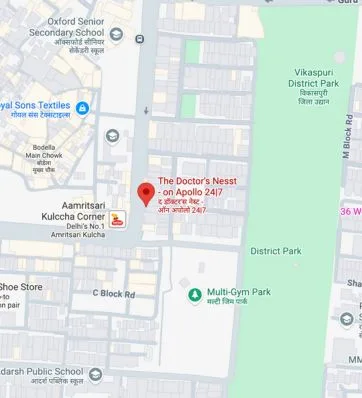
The Doctor's Nesst on Apollo
24/7
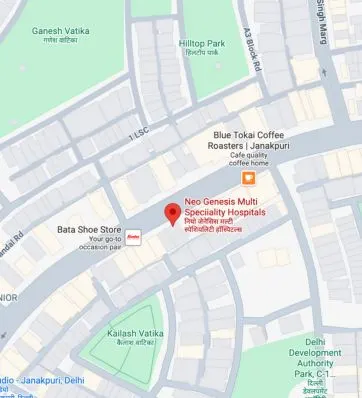
Neo Genesis Multi Speciiality
Hospitals

We provide compassionate and comprehensive women’s healthcare, offering gynaecology, obstetrics, fertility guidance, and preventive care to support you at every stage of life.


© Remedo 2025 | Dr. Parul Sharma | All Rights Reserved | Digital Marketing by Remedo