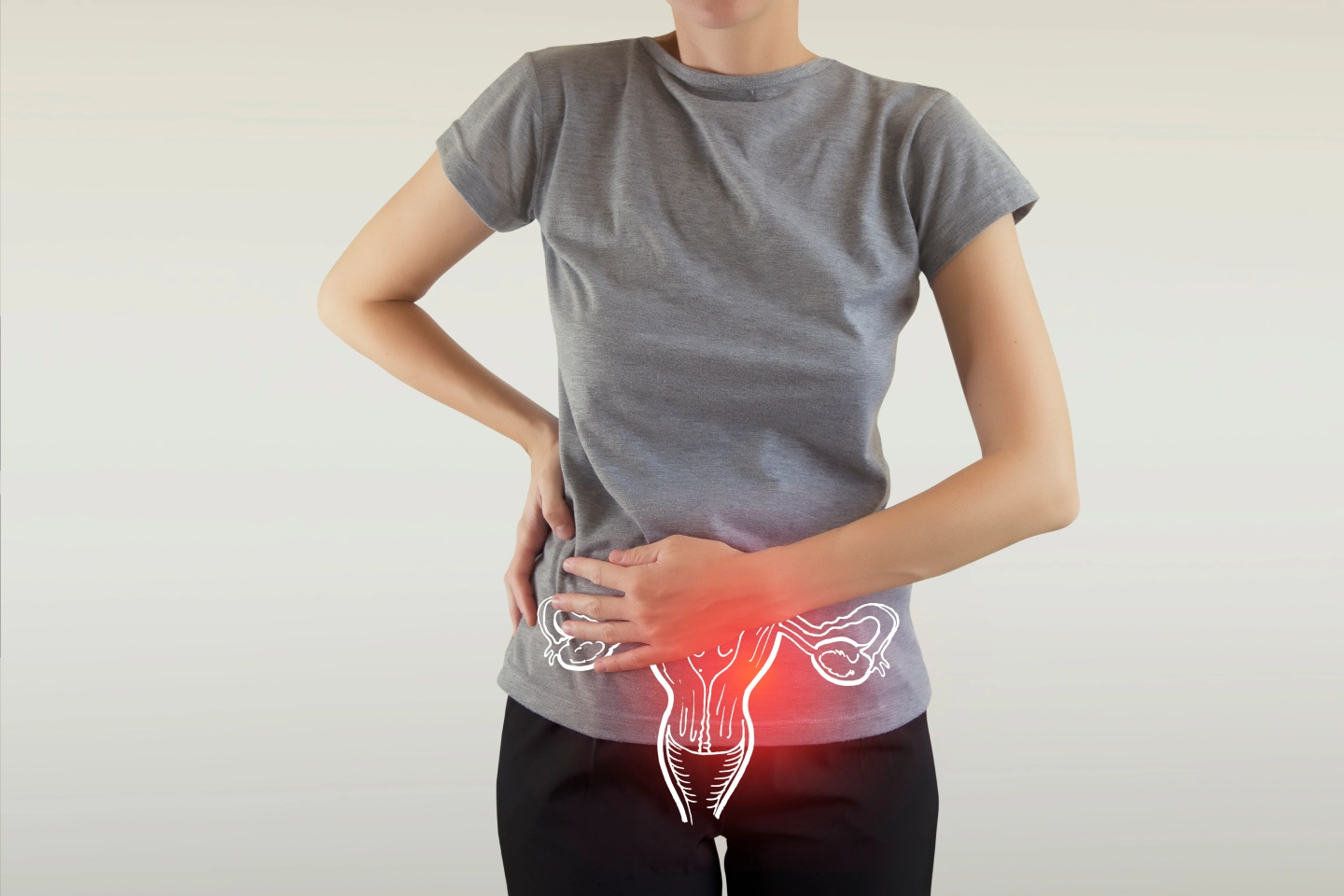
Abnormal uterine bleeding is a common gynecological concern that affects women of different age groups. It refers to any bleeding from the uterus that differs from the normal menstrual cycle in timing, frequency, duration, or amount. While occasional variation in periods may not always indicate a serious problem, persistent or unusual bleeding should never be ignored. Early evaluation helps identify the cause and ensures timely treatment.
What Is Considered Abnormal Uterine Bleeding
Normal menstruation usually occurs at regular intervals with predictable flow and duration. Bleeding may be considered abnormal when periods become very heavy, occur too frequently, last longer than usual, or happen between cycles. Bleeding after menopause is always considered abnormal and requires immediate medical attention.
Such changes may affect physical health, emotional wellbeing, and quality of life. Understanding the possible causes can help women seek appropriate care without delay.
Common Causes Of Abnormal Uterine Bleeding
- Hormonal imbalance is one of the most frequent causes. Estrogen and progesterone regulate the menstrual cycle, and any disruption in their balance can lead to irregular or heavy bleeding. This often occurs during adolescence or the perimenopausal phase.
- Structural problems within the uterus are another important cause. Fibroids, polyps, or thickening of the uterine lining may result in abnormal bleeding patterns. These conditions are usually benign but require proper diagnosis.
- Pregnancy related conditions such as miscarriage or ectopic pregnancy can also cause abnormal bleeding. Women of reproductive age presenting with unexpected bleeding should always be evaluated for pregnancy related causes.
- Medical conditions including thyroid disorders, bleeding disorders, or chronic illnesses may also affect menstrual patterns. Certain medications, especially hormonal therapies or blood thinners, can contribute to abnormal bleeding.
In some cases, abnormal uterine bleeding may indicate precancerous changes or cancer of the uterus, cervix, or ovaries. This is why persistent or unusual bleeding should always be medically assessed.
Symptoms That Should Not Be Ignored
- Heavy menstrual flow that soaks sanitary products quickly
- Bleeding between periods
- Periods lasting unusually long
- Bleeding after sexual intercourse
- Bleeding after menopause
- Associated symptoms like pelvic pain, fatigue, or dizziness
These signs warrant medical evaluation to determine the underlying cause.
Diagnostic Tests And Evaluation
A thorough medical history and clinical examination are the first steps in diagnosis. Doctors may recommend blood tests to check hormone levels, anemia, thyroid function, or clotting disorders.
Ultrasound imaging helps visualize the uterus, ovaries, and surrounding structures. It can detect fibroids, polyps, ovarian cysts, or endometrial thickening.
Pap smear screening evaluates cervical health and helps detect precancerous or cancerous changes.
Endometrial biopsy involves sampling the uterine lining to rule out hyperplasia or malignancy, especially in women with persistent symptoms.
Hysteroscopy is a minimally invasive procedure that allows direct visualization of the uterine cavity. It helps diagnose and sometimes treat causes such as polyps or small fibroids.
Treatment Options Available
Treatment depends on the underlying cause, severity of symptoms, age, reproductive goals, and overall health.
Medical therapy may include hormonal medications, oral contraceptives, or drugs that reduce menstrual bleeding. These options are often effective for hormonal causes.
Minimally invasive procedures such as hysteroscopic removal of polyps or fibroids can correct structural problems while preserving the uterus.
Endometrial ablation may be considered for women with heavy bleeding who do not plan future pregnancies.
In some cases, hysterectomy may be recommended when other treatments fail or when significant pathology is present. Modern surgical techniques have made recovery safer and faster.
Impact On Fertility And Quality Of Life
Abnormal uterine bleeding can sometimes affect fertility, especially when linked to hormonal disorders, fibroids, or endometrial problems. Early treatment often improves reproductive outcomes.
Beyond fertility, heavy or irregular bleeding may cause anemia, fatigue, and emotional distress. Proper management helps restore physical health and confidence.
When To Seek Medical Care
Women should consult a healthcare professional if abnormal bleeding persists, worsens, or is accompanied by pain, weakness, or other concerning symptoms. Early diagnosis prevents complications and ensures appropriate treatment.
Frequently Asked Questions
Q: Is abnormal uterine bleeding always a sign of a serious disease?
A: Not always. Many cases are due to hormonal imbalance or benign conditions, but evaluation is essential to rule out serious causes.
Q: Can stress cause irregular bleeding?
A: Yes. Stress can affect hormonal balance and menstrual cycles, leading to irregular or delayed periods.
Q: Does abnormal bleeding mean infertility?
A: Not necessarily. Many underlying causes are treatable, and fertility often improves after proper management.
Q: What tests are usually done first?
A: Doctors commonly begin with blood tests, ultrasound, and clinical examination before recommending advanced tests if needed.
Q: Is surgery always required?
A: No. Many cases respond well to medications or minimally invasive treatments. Surgery is considered only when necessary.
Final Thoughts
Abnormal uterine bleeding is a common yet important health concern that should never be ignored. Early evaluation, accurate diagnosis, and appropriate treatment can prevent complications and improve quality of life. If you notice any unusual bleeding pattern, timely consultation with a qualified gynecologist Dr.Parul Sharma is essential for proper care and reassurance.
Our Locations
Trusted Women’s Health Services at Convenient Locations
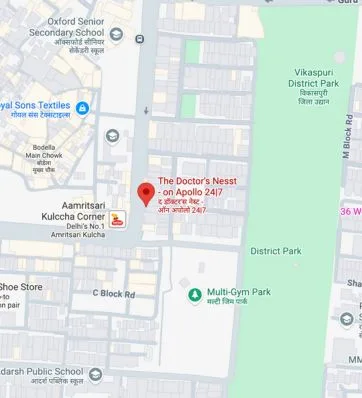
The Doctor's Nesst on Apollo
24/7
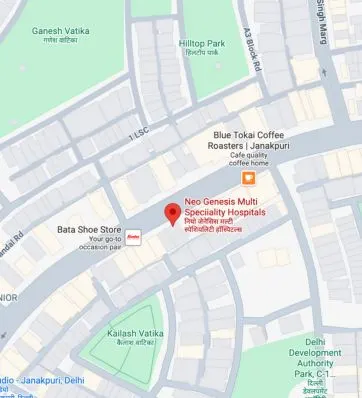
Neo Genesis Multi Speciiality
Hospitals

We provide compassionate and comprehensive women’s healthcare, offering gynaecology, obstetrics, fertility guidance, and preventive care to support you at every stage of life.


© Remedo 2025 | Dr. Parul Sharma | All Rights Reserved | Digital Marketing by Remedo