
Pregnancy is a transformative journey filled with new experiences, including physical sensations that may be unfamiliar and sometimes concerning. As your due date approaches, one common question many women have is- “Are these contractions real labor pains, or just Braxton Hicks contractions?” Understanding the difference between Braxton Hicks contractions and labor pain can help you prepare for childbirth and reduce anxiety.
In this blog, we'll explore what Braxton Hicks contractions are, how they differ from labor pain, and what you should expect as you approach delivery.
What Are Braxton Hicks Contractions?
Braxton Hicks contractions are often referred to as "practice contractions." They are a normal part of pregnancy and can start as early as the second trimester, though they are more common in the third trimester. Named after Dr. John Braxton Hicks, who first described them in the 19th century, these contractions are your body’s way of preparing for the real labor process.
Braxton Hicks contractions are generally irregular, infrequent, and less intense than real labor contractions. While they can be uncomfortable, they don’t signal the start of labor. Instead, think of them as your uterus "warming up" for the main event.
What Do Braxton Hicks Contractions Feel Like?
Many women describe Braxton Hicks contractions as a tightening or hardening sensation across the abdomen. Unlike real labor contractions, Braxton Hicks typically don't follow a pattern, and they don’t increase in intensity over time. You may notice them more when you’re dehydrated, active, or have a full bladder. In most cases, they will subside if you change positions, rest, or hydrate.
What Is Labor Pain?
Labor pain, on the other hand, is a sign that your body is getting ready to deliver your baby. These contractions become stronger, more regular, and more frequent as labor progresses. Labor contractions work to open (dilate) your cervix and push your baby down the birth canal.
Unlike Braxton Hicks, labor contractions won’t ease up with rest or hydration. Instead, they will increase in intensity and frequency, becoming closer together as labor progresses. Labor pain can radiate from your lower back to your abdomen, and some women may also experience cramping in their thighs.
How to Tell the Difference Between Braxton Hicks and Labor Pain
It can be tricky to differentiate between Braxton Hicks and real labor pain, especially if you're a first-time mom. Here are some key differences-
- Timing and Pattern- Braxton Hicks contractions are usually irregular and do not follow a set pattern. Real labor contractions become progressively more regular and closer together.
- Duration- Braxton Hicks contractions typically last between 30 seconds to 2 minutes, whereas labor contractions may last longer and become more intense over time.
- Pain Level- Braxton Hicks contractions are usually mild and uncomfortable but not painful. Labor contractions, on the other hand, are usually much more intense and painful as they build up.
- Response to Movement- Changing positions, walking, or drinking water may ease Braxton Hicks contractions. Labor contractions will not subside with movement or hydration.
- Cervical Changes- Braxton Hicks contractions do not cause the cervix to dilate. Real labor contractions lead to cervical dilation, preparing the body for delivery.
When to Call Your Doctor
If you are unsure whether you're experiencing Braxton Hicks or real labor pain, it's always a good idea to consult your healthcare provider. Call your doctor if-
- You notice a regular pattern of contractions that get closer together.
- Your water breaks or you notice a sudden gush of fluid.
- You experience vaginal bleeding or severe pain.
- You feel your baby's movements have decreased.
Your doctor can help determine if you are in labor or if your body is simply preparing for delivery.
Frequently Asked Questions About Braxton Hicks and Labor Pain
Q: Can Braxton Hicks turn into real labor?
A: No, Braxton Hicks contractions do not turn into real labor. However, experiencing them is a sign that your body's getting ready for the real thing.
Q: Do all pregnant women experience Braxton Hicks?
A: No, not all women experience Braxton Hicks contractions. Some may have frequent Braxton Hicks, while others may not notice them at all.
Q: How can I ease Braxton Hicks contractions?
A: You can try changing positions, resting, drinking water, or taking a warm bath. These methods often help reduce the discomfort of Braxton Hicks.
Q: Can labor start without contractions?
A: Yes, some women may experience their water breaking before contractions start. This is known as premature rupture of membranes (PROM), and it requires immediate medical attention.
Q: How do I know when it’s time to go to the hospital?
A: If your contractions are regular, increasing in intensity, and about 5 minutes apart, it’s likely time to head to the hospital. Also, if your water breaks or you experience vaginal bleeding, contact your healthcare provider immediately.
If you’re pregnant and concerned about Braxton Hicks contractions or labor pain, Dr. Parul Sharma is here to guide you through every step of your pregnancy. With years of experience in obstetrics and gynecology, Dr. Sharma provides personalized care to help you manage discomfort and prepare for a healthy delivery. Schedule your consultation with Dr. Parul Sharma today to ensure a smooth and confident childbirth experience. Reach out to book your appointment now.
Our Locations
Trusted Women’s Health Services at Convenient Locations
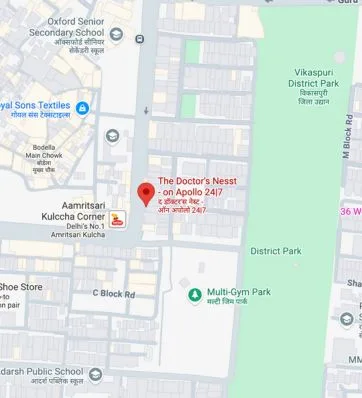
The Doctor's Nesst on Apollo
24/7
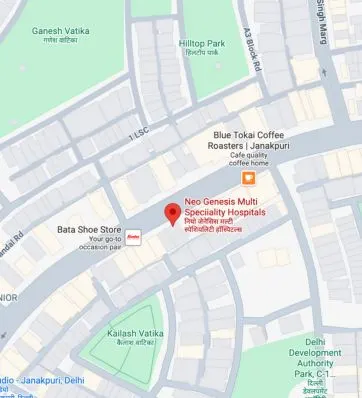
Neo Genesis Multi Speciiality
Hospitals

We provide compassionate and comprehensive women’s healthcare, offering gynaecology, obstetrics, fertility guidance, and preventive care to support you at every stage of life.


© Remedo 2025 | Dr. Parul Sharma | All Rights Reserved | Digital Marketing by Remedo