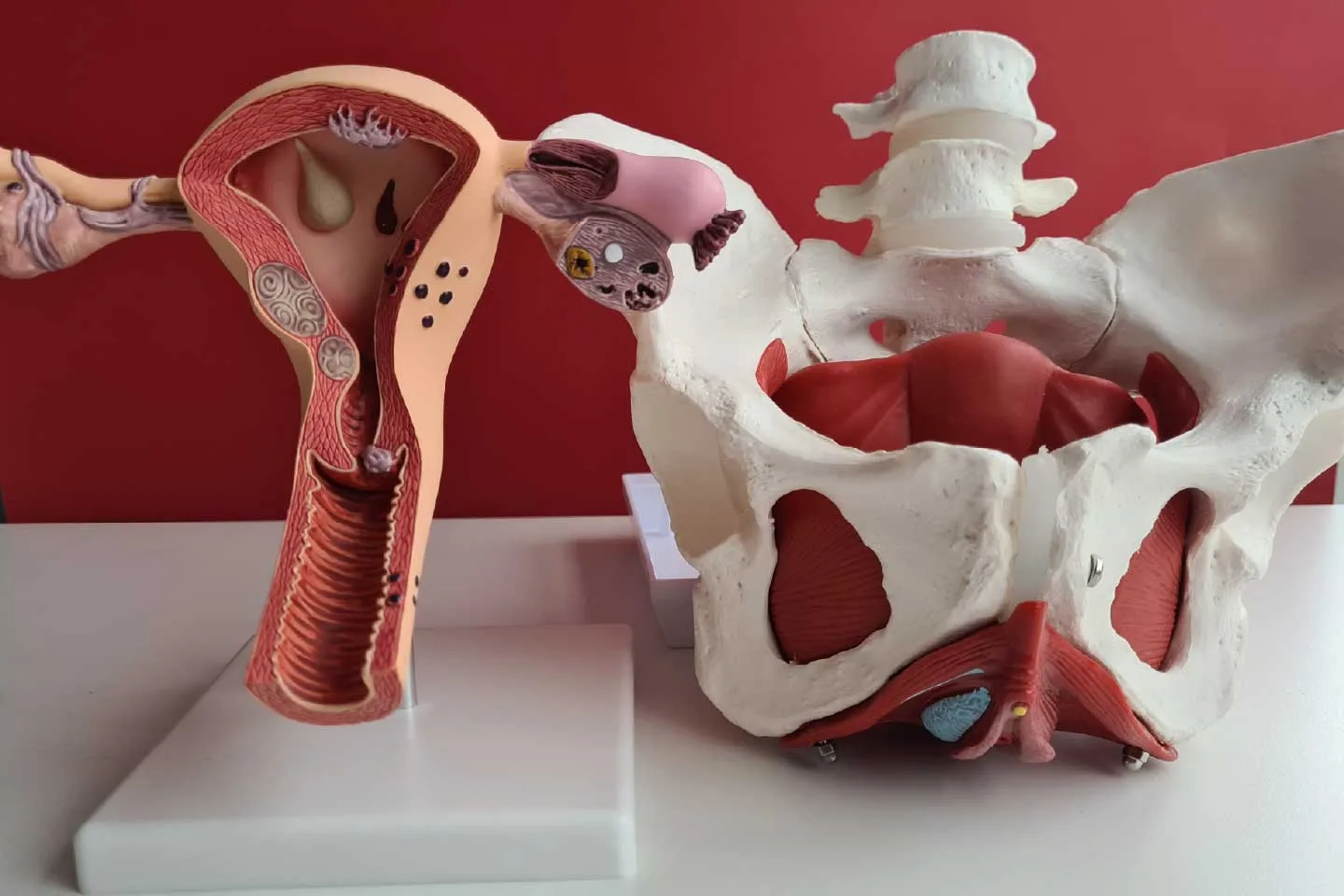
Vaginismus is a condition that affects many individuals, yet it remains under-discussed mainly and misunderstood. This blog aims to shed light on this intimate and often sensitive topic, offering insights into what vaginismus is, its causes, and how individuals can overcome it.
What is Vaginismus?
Vaginismus is a condition characterized by involuntary muscle spasms in the pelvic floor muscles, specifically the muscles around the vagina These spasms can make penetration painful or even impossible, affecting both sexual intercourse and the insertion of tampons or medical instruments.
Causes of Vaginismus:
Understanding the root causes of vaginismus is crucial for effective treatment. While the exact cause can vary from person to person, common factors include:
- Psychological Factors: Past trauma, sexual abuse, anxiety, fear, or negative experiences related to sex can contribute to vaginismus.
- Physical Factors: Infections, medical conditions, or issues such as endometriosis can also trigger vaginismus.
- Relationship Factors: Relationship difficulties or intimacy issues can exacerbate vaginismus symptoms.
Breaking the StigmA:
One of the main challenges individuals with vaginism face is the stigma associated with discussing sexual health openly. Breaking this stigma is essential for creating an environment where affected individuals feel comfortable seeking help and support.
Support and Communication:
If you suspect you or your partner may be experiencing vaginismus, open and honest communication is the first step. Seek support from healthcare professionals, therapists, or support groups specializing in sexual health. Understanding that vaginismus is a medical condition, not a personal failure, is crucial for mental well-being.
Treatment Options:
- Pelvic Floor Physical Therapy: Working with a pelvic floor physical therapist can help individuals learn to control and relax their pelvic floor muscles.
- Counseling and Psychotherapy: Addressing any underlying psychological factors through counseling or psychotherapy can be beneficial.
- Education and Self-Help: Learning about the condition and practicing relaxation at home can complement professional treatment.
- Gradual Desensitization: Gradual exposure to activities that involve penetration, starting with non-threatening items like fingers or small dilators, can help desensitize the body.
Empowerment and Self-Care:
Overcoming vaginismus is a journey that requires patience, understanding, and self-compassion. Practicing self-care, cultivating a positive mindset, and involving supportive partners can contribute to a more successful recovery.
Conclusion:
Vaginismus is a natural and challenging condition, but with the proper support, education, and treatment, individuals can overcome its physical and emotional impact.
By fostering open conversations and reducing the stigma surrounding sexual health, we can create a more compassionate and understanding society that supports those affected by vaginismus on their path to healing.
For more information, Consult Dr. Parul Sharma!
Our Locations
Trusted Women’s Health Services at Convenient Locations
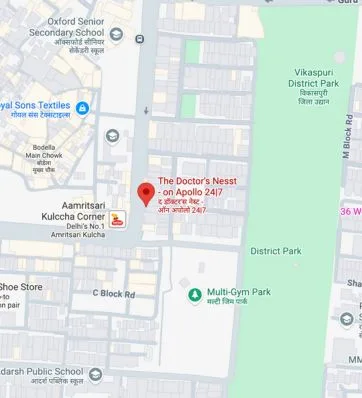
The Doctor's Nesst on Apollo
24/7
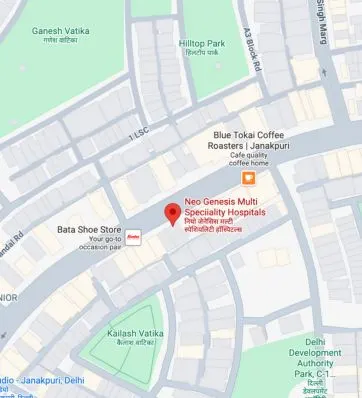
Neo Genesis Multi Speciiality
Hospitals

We provide compassionate and comprehensive women’s healthcare, offering gynaecology, obstetrics, fertility guidance, and preventive care to support you at every stage of life.


© Remedo 2025 | Dr. Parul Sharma | All Rights Reserved | Digital Marketing by Remedo