
Contraception, known as birth control, is a fundamental aspect of family planning and reproductive health. It allows individuals and couples to decide when and if they want to start a family. With various contraceptive options available today, it's essential to understand the choices, benefits, and considerations associated with each method. This blog will explore different contraception methods, empowering you to make the right decision for your unique needs.
Barrier Methods
A: Condoms: Condoms are a widely recognized contraceptive method that prevents pregnancy and offers protection against sexually transmitted infections (STIs).
B: Diaphragm: This is a shallow, dome-shaped device inserted into the vagina to cover the cervix, preventing sperm from reaching the egg.
Hormonal Methods
A: Birth Control Pills: Oral contraceptives, commonly known as birth control pills, contain hormones that prevent ovulation and thicken cervical mucus, making it difficult for sperm to reach the egg.
B: Birth Control Patch: A thin, adhesive patch to the skin releases hormones to prevent pregnancy.
C: Birth Control Implant: This small, rod-shaped implant is inserted under the skin of the upper arm and releases hormones for long-term contraception.
D: Birth Control Shot: An injectable hormonal contraceptive administered every three months.
Intrauterine Devices (IUDs)
IUDs are small T-shaped devices inserted into the uterus by a healthcare professional. There are hormonal and non-hormonal IUD options. They provide long-term contraception, lasting from 3 to 10 years.
Permanent Methods
A: Tubal Ligation (Female Sterilization): A surgical procedure that blocks or seals the fallopian tubes to prevent the sperm from meeting the egg.
B: Vasectomy (Male Sterilization): A surgical procedure that involves cutting or sealing the vas deferens to prevent the release of sperm during ejaculation.
Fertility Awareness Methods
These methods involve tracking your menstrual cycle and avoiding intercourse during fertile periods. They include the Standard Days Method, the symptothermal Method, and the Calendar-Based Method.
Emergency Contraception
This is not a regular contraceptive method but a backup option to prevent pregnancy after unprotected sex or contraceptive failure. It should be used as soon as possible after the event.
Choosing the Right Contraception
Selecting the proper contraception method depends on individual preferences, health considerations, and lifestyle. Here are some factors to consider:
- Effectiveness: Assess the effectiveness of the technique and its suitability for your needs.
- Health Considerations: Consult a healthcare provider to discuss medical conditions or potential side effects.
- Frequency: Determine if you need a daily, monthly, or less frequent contraceptive method.
- STI Protection: If you risk sexually transmitted infections, consider dual protection with barrier methods like condoms.
- Long-Term vs. Short-Term: Decide if you want a reversible or permanent contraceptive method.
- Comfort and Ease of Use: Choose a technique that aligns with your comfort level and daily routine.
Conclusion
Contraception is vital to reproductive health, allowing individuals to control their fertility and family planning. The array of available methods provides options to suit different needs and preferences. It is essential to consult with a healthcare provider to decide on the most appropriate contraceptive plan for your unique circumstances.
With the right choice, you can enjoy a safe and empowered approach to family planning and sexual health.
Our Locations
Trusted Women’s Health Services at Convenient Locations
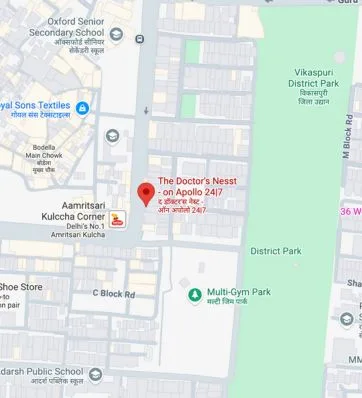
The Doctor's Nesst on Apollo
24/7
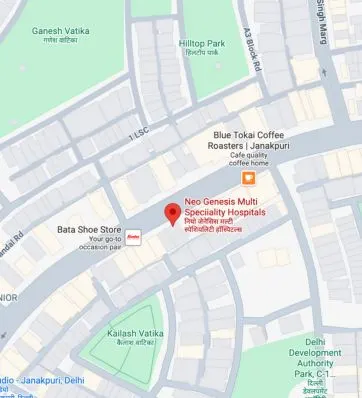
Neo Genesis Multi Speciiality
Hospitals

We provide compassionate and comprehensive women’s healthcare, offering gynaecology, obstetrics, fertility guidance, and preventive care to support you at every stage of life.


© Remedo 2025 | Dr. Parul Sharma | All Rights Reserved | Digital Marketing by Remedo