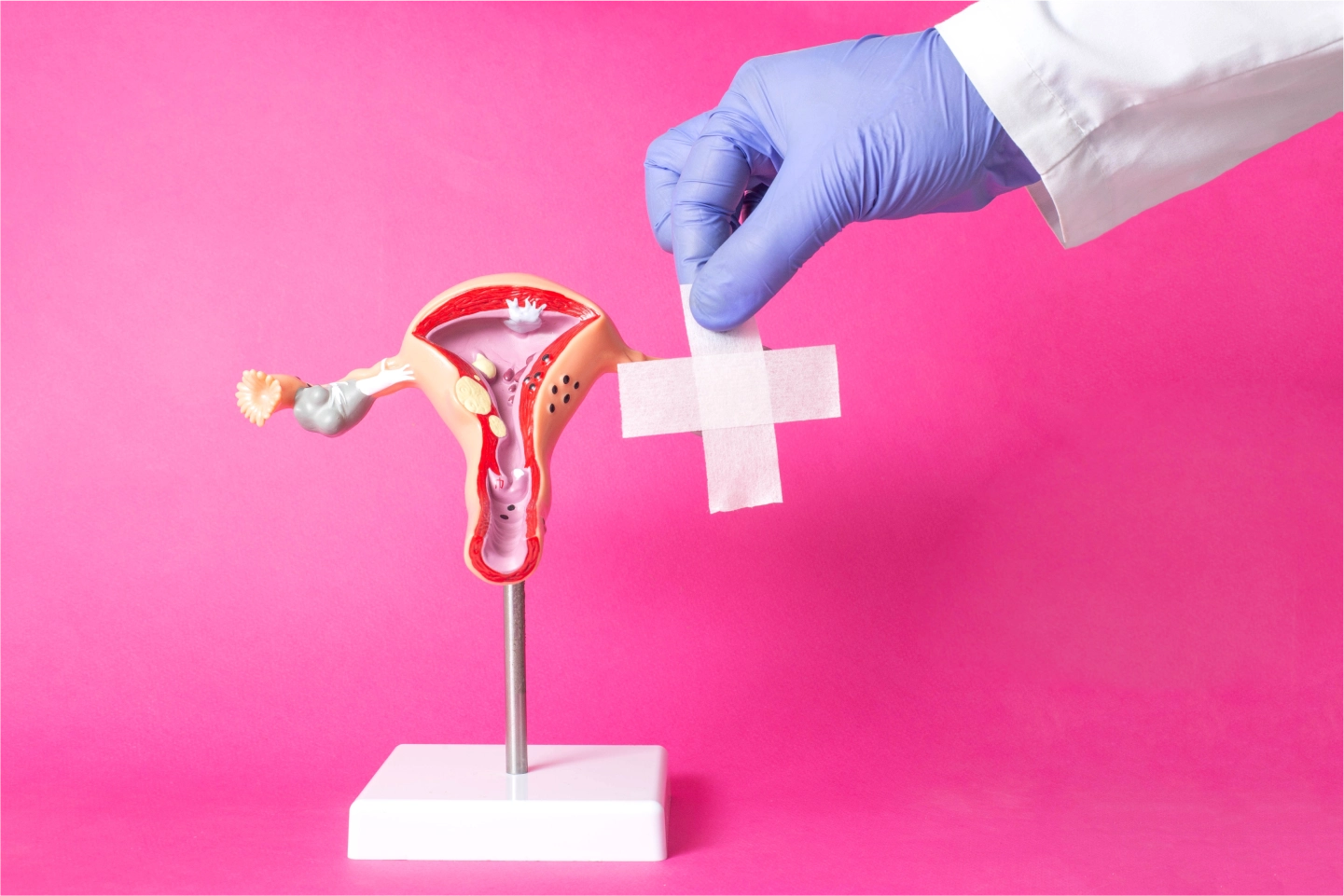
Hysterectomy, a surgical procedure involving the removal of the uterus, is a significant decision that can have a profound impact on a woman's life. Whether driven by medical necessity or a personal choice, it's crucial to understand the procedure, its implications, and the potential outcomes.
In this blog, we'll explore the various aspects of hysterectomy, from its reasons and types to the recovery process and emotional considerations.
Understanding Hysterectomy
A hysterectomy is a surgical procedure that involves the removal of the uterus, and in some cases, other adjacent reproductive organs such as the ovaries and fallopian tubes. There are several reasons why a woman might undergo a hysterectomy, including:
- Medical Conditions: Hysterectomy may be necessary to treat conditions such as uterine fibroids, endometriosis, adenomyosis, pelvic inflammatory disease, and certain types of cancer (uterine, ovarian, cervical).
- Heavy Bleeding: If heavy menstrual bleeding cannot be managed through other treatments, a hysterectomy might be considered.
- Chronic Pelvic Pain: Severe and persistent pelvic pain that doesn't respond to other treatments could warrant a hysterectomy.
Types of Hysterectomy
Hysterectomies can be classified into different types based on the extent of the surgery:
- Total Hysterectomy: Removal of the uterus and cervix.
- Partial (Supracervical) Hysterectomy: Removal of the uterus while leaving the cervix intact.
- Radical Hysterectomy: Removal of the uterus, cervix, upper part of the vagina, and often the supporting tissues.
- Emotional Considerations
A hysterectomy can have emotional implications. For many women, the uterus is associated with femininity, fertility, and a sense of self. It's important to acknowledge and address the emotional impact that a hysterectomy can have.
Open communication with healthcare providers, support groups, and loved ones can be immensely helpful during this time.
Recovery and Aftercare
Recovery after a hysterectomy varies depending on the type of surgery performed. Most women can expect some discomfort and fatigue in the days following the procedure. It's important to follow post-operative instructions provided by your surgeon, including limitations on physical activity, lifting, and driving. Full recovery can take several weeks to a few months.
Life After Hysterectomy
Life after a hysterectomy can be fulfilling and free from the conditions that led to the procedure. While some women may experience changes in hormonal balance and menopause-like symptoms if the ovaries are removed, others might not notice significant changes.
Final Thoughts
A hysterectomy is a significant medical decision that warrants careful consideration, open conversations with healthcare providers, and support from loved ones. It's essential to explore all treatment options available and choose the one that aligns with your medical needs and personal preferences.
Remember, every woman's journey is unique, and taking the time to educate yourself and make informed choices is an empowering step toward a healthier and happier life.
Our Locations
Trusted Women’s Health Services at Convenient Locations
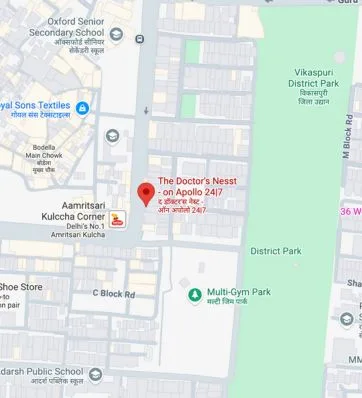
The Doctor's Nesst on Apollo
24/7
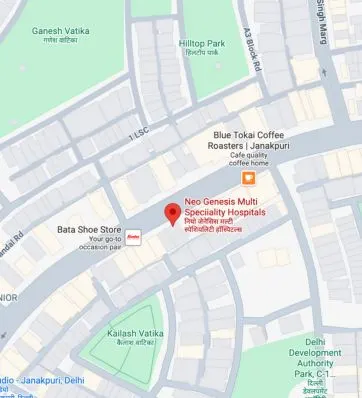
Neo Genesis Multi Speciiality
Hospitals

We provide compassionate and comprehensive women’s healthcare, offering gynaecology, obstetrics, fertility guidance, and preventive care to support you at every stage of life.


© Remedo 2025 | Dr. Parul Sharma | All Rights Reserved | Digital Marketing by Remedo