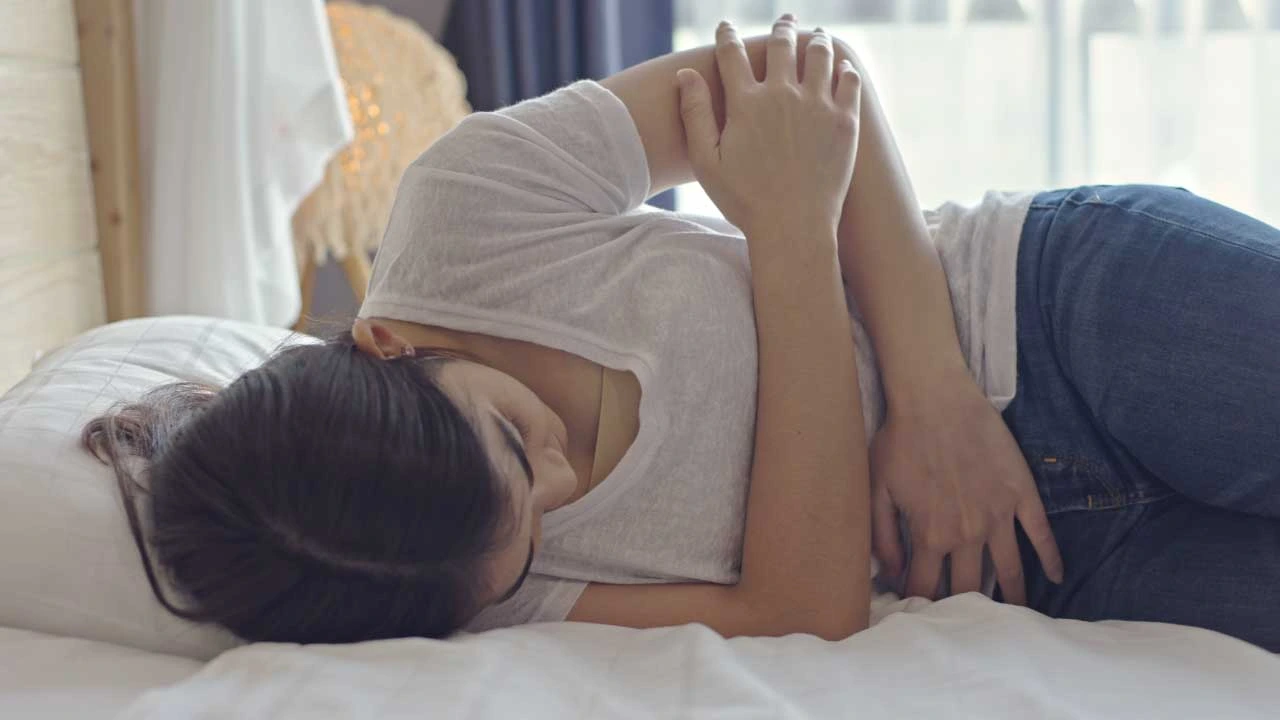
Do you experience intense menstrual cramps, chronic pelvic pain, or pain during intimacy? These symptoms might be more than just “normal period pain.” They could be signs of endometriosis, a common but often misunderstood condition affecting millions of women worldwide.
Let’s break down everything you need to know about endometriosis—its symptoms, causes, diagnosis, treatment options, and when you should seek medical help.
What Is Endometriosis?
Endometriosis is a condition where tissue similar to the endometrium (the lining of the uterus) grows outside the uterus. This tissue may be found on the ovaries, fallopian tubes, outer surface of the uterus, and other areas within the pelvis.
Each month, just like the uterine lining, this tissue responds to hormonal changes and attempts to shed. But since it has no way to exit the body, it becomes trapped, leading to pain, inflammation, cysts, and scar tissue.
What Are the Symptoms of Endometriosis?
Symptoms vary from person to person. Some women with mild endometriosis may have severe symptoms, while others with extensive tissue growth might feel very little discomfort.
Here are the most common symptoms:
- Painful periods (dysmenorrhea): Cramping may begin before your period and extend several days.
- Chronic pelvic pain: Pain that persists throughout the cycle, not just during menstruation.
- Pain during or after intercourse.
- Pain during urination or bowel movements, especially during periods.
- Excessive menstrual bleeding or spotting between periods.
- Fatigue, bloating, nausea
- Infertility: Endometriosis can cause problems with conception in some women.
What Causes Endometriosis?
The exact cause of endometriosis is still not fully understood, but several theories exist:
- Retrograde menstruation: Menstrual blood flows backward into the pelvic cavity instead of out of the body.
- Hormonal imbalances: Estrogen may play a role in stimulating endometrial-like tissue outside the uterus.
- Immune system dysfunction: The body fails to recognize endometrial-like tissue as abnormal and doesn’t destroy it.
- Genetics: A family history of endometriosis increases your risk.
- Surgical scars: Endometrial cells can attach to incision sites after surgeries like C-sections or hysterectomies.
How Is Endometriosis Diagnosed?
Diagnosing endometriosis can be challenging because its symptoms often mimic other conditions like irritable bowel syndrome (IBS) or pelvic inflammatory disease (PID).
Here’s how doctors typically diagnose it:
- Medical history and physical exam.
- Imaging tests, like ultrasounds or MRIs, to detect cysts or abnormalities.
- Laparoscopy: A minimally invasive surgery that allows direct visualization of endometrial implants and remains the gold standard for diagnosis.
Treatment Options for Endometriosis
The right treatment depends on your age, symptoms, severity, and whether you plan to have children.
1. Pain Management
- Over-the-counter NSAIDs like ibuprofen can help reduce inflammation and pain.
2. Hormonal Therapy
- Birth control pills, patches, or vaginal rings help control hormones that trigger tissue growth.
- GnRH agonists and antagonists reduce estrogen and halt menstruation.
- Progestin therapy can shrink endometrial tissue and stop periods.
3. Surgical Options
- Laparoscopic excision surgery removes endometrial implants and scar tissue while preserving fertility.
- Hysterectomy (removal of the uterus) may be considered in severe, treatment-resistant cases, particularly if childbearing is not a concern.
4. Fertility Treatments
- If endometriosis affects fertility, your doctor may suggest IVF or other assisted reproductive techniques.
Living With Endometriosis
Endometriosis is a chronic condition, but with the right care, many women lead healthy, fulfilling lives. Lifestyle changes like regular exercise, stress reduction, and dietary adjustments (anti-inflammatory foods) can complement medical treatments.
Support from specialists, support groups, and loved ones can also make a huge difference in your physical and emotional well-being.
FAQs About Endometriosis
Q: Is endometriosis a serious condition?
A: Yes. While it's not life-threatening, it can seriously affect your quality of life—physically, emotionally, and even financially due to missed work or costly treatments.
Q: Can endometriosis go away on its own?
A: In some cases, symptoms improve after menopause. But endometriosis does not typically go away without treatment, especially in younger women.
Q: Can I still get pregnant if I have endometriosis?
A: Yes. While it may take longer or require assistance, many women with endometriosis conceive successfully with the right treatment and support.
Q: How long does it take to diagnose endometriosis?
A: It often takes 7–10 years for a proper diagnosis due to the wide range of symptoms and misdiagnoses.
Q: Is there a cure for endometriosis?
A: There is no permanent cure, but with effective treatment and management, symptoms can be greatly reduced or eliminated.
Living with endometriosis doesn’t mean you have to live with constant pain and uncertainty. Understanding your body, recognizing symptoms early, and getting expert care can significantly improve your quality of life.
If you or someone you know is struggling with unexplained pelvic pain or irregular periods, don’t wait.
Dr. Parul Sharma, a leading expert in women’s health, specializes in diagnosing and treating endometriosis with compassionate, evidence-based care. Whether you need symptom relief, fertility support, or a second opinion, Dr. Sharma is here to guide you toward healing and clarity.
Book your consultation with Dr. Parul Sharma today and take the first step toward a life free from pain and full of possibilities.
Our Locations
Trusted Women’s Health Services at Convenient Locations
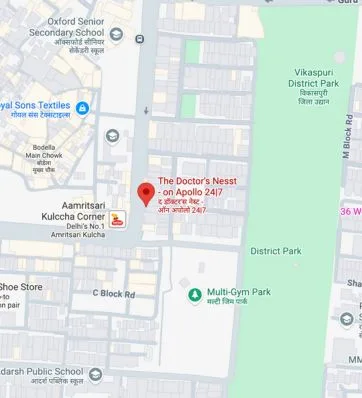
The Doctor's Nesst on Apollo
24/7
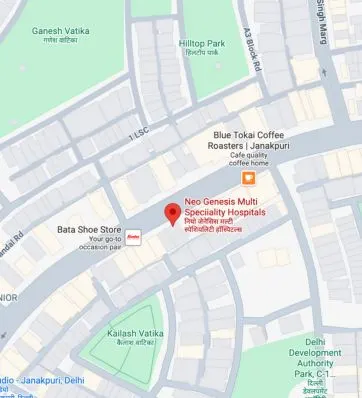
Neo Genesis Multi Speciiality
Hospitals

We provide compassionate and comprehensive women’s healthcare, offering gynaecology, obstetrics, fertility guidance, and preventive care to support you at every stage of life.


© Remedo 2025 | Dr. Parul Sharma | All Rights Reserved | Digital Marketing by Remedo