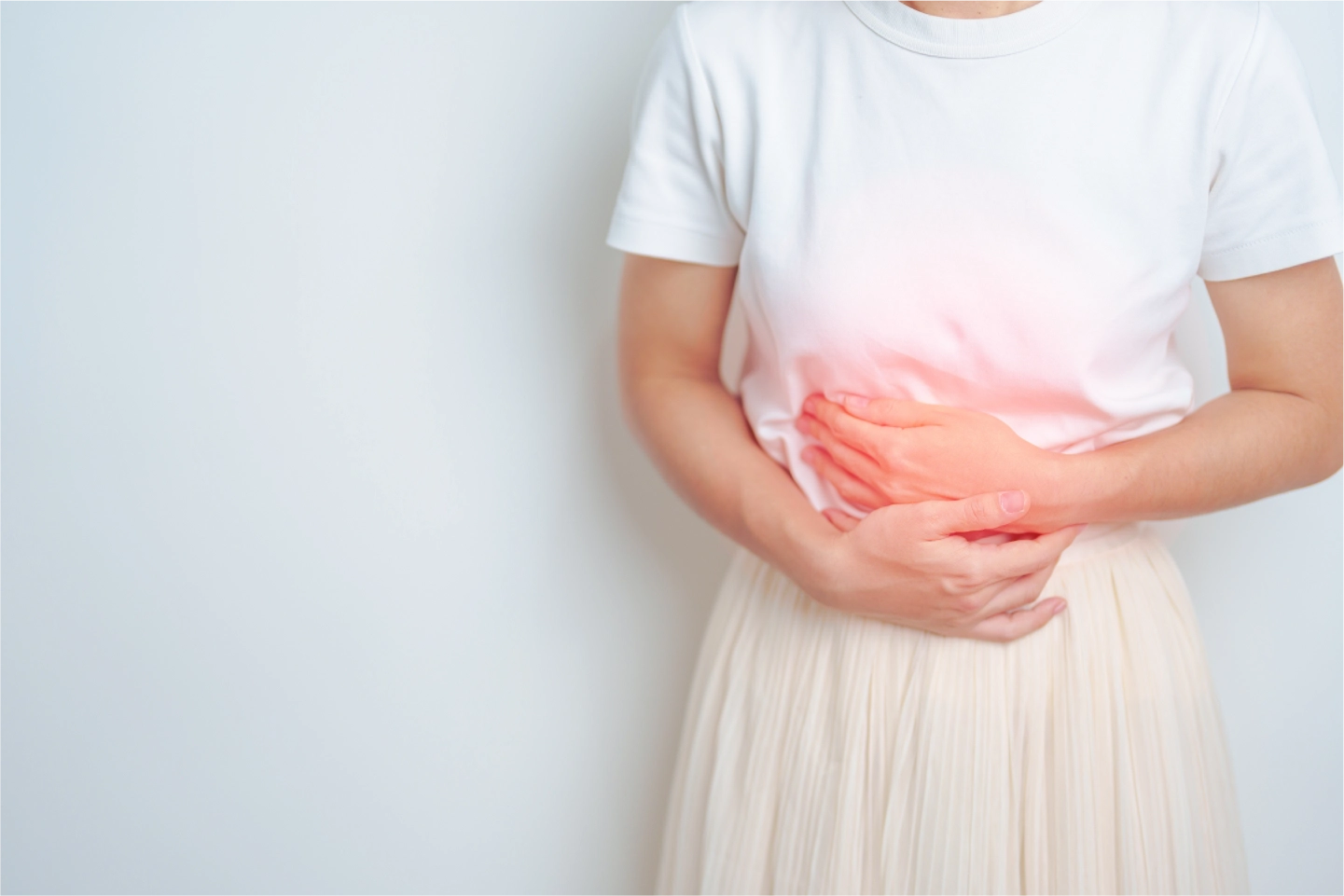
For many women, period pain is a normal part of life—something to grit their teeth through every month. But what if that pain is not normal? What if it’s a sign of something deeper—something affecting your fertility, daily comfort, and long-term health?
That’s the case for millions of women silently living with endometriosis, a chronic condition that often goes undiagnosed for years. In this blog, we’ll explore what endometriosis is, why it happens, its symptoms, effects on fertility, and how it can be managed or treated. If you or someone you love experiences painful periods, this guide may help you understand what’s really going on.
What is Endometriosis?
Endometriosis is a condition in which tissue similar to the lining of the uterus (called the endometrium) starts growing outside the uterus—often on the ovaries, fallopian tubes, pelvic lining, and in some cases, beyond the pelvic region. Unlike normal uterine lining, this tissue has no way to exit the body, causing pain, inflammation, and sometimes the formation of scar tissue or adhesions.
It is not just “bad period pain”—it is a complex, systemic condition that requires medical evaluation and targeted care.
Common Symptoms of Endometriosis
Endometriosis affects women differently. Some have intense symptoms, while others may have no signs at all until they struggle with infertility. Common symptoms include:
- Severe menstrual cramps that don’t improve with painkillers
- Chronic pelvic pain, even outside of periods
- Pain during intercourse (dyspareunia)
- Painful bowel movements or urination, especially during menstruation
- Heavy menstrual bleeding or bleeding between periods
- Fatigue, bloating, and gastrointestinal issues
- Infertility or difficulty conceiving
Because these symptoms overlap with other conditions, it’s not uncommon for women to be misdiagnosed or dismissed for years.
What Causes Endometriosis?
The exact cause of endometriosis remains uncertain, but several theories exist:
- Retrograde menstruation: When menstrual blood flows backwards through the fallopian tubes into the pelvic cavity instead of exiting the body.
- Genetics: Women with a family history of endometriosis are at a higher risk.
- Immune system dysfunction: A compromised immune system may fail to eliminate misplaced endometrial-like cells.
- Hormonal influences: Estrogen seems to fuel the growth of endometrial tissue.
Though we don’t know the exact trigger, early recognition and management are critical to preventing long-term complications.
How is Endometriosis Diagnosed?
Diagnosis can be challenging, especially since pelvic exams and imaging may not reveal small or hidden lesions. The diagnostic process may include:
- Medical history and symptom review
- Pelvic examination to feel for abnormalities
- Ultrasound or MRI to detect cysts (like endometriomas)
- Laparoscopy – a minimally invasive surgical procedure that allows direct visualisation of endometrial lesions and is the gold standard for diagnosis
Many women spend 6–10 years seeking a diagnosis, often dismissed or told that pain is “normal.” If your discomfort is interfering with your life, trust your instincts and seek expert guidance.
Endometriosis and Fertility
One of the most distressing consequences of endometriosis is its potential effect on fertility. The condition can:
- Damage the fallopian tubes or ovaries
- Interfere with egg release or implantation
- Cause inflammation that affects reproductive organs
- Create adhesions that distort pelvic anatomy
That said, many women with endometriosis do conceive—either naturally or with assistance. Treatments like ovulation induction, IUI, or IVF can be considered, depending on the severity and the individual’s age, symptoms, and fertility goals.
When to See a Gynaecologist
You should consult a gynaecologist if:
- Period pain is severe and worsening
- Pain interferes with sex, work, or daily life
- You’ve been trying to conceive for a year without success
- Pain occurs even outside your menstrual cycle
- There’s unexplained gastrointestinal discomfort linked with your periods
Early intervention can preserve fertility, improve quality of life, and prevent progression.
Final Thoughts
Endometriosis is real, painful, and too often overlooked. But it is manageable with the right diagnosis and care. If your periods feel anything but normal, don’t ignore them. What you’re experiencing deserves validation, attention, and expert support.
Think your period pain could be more than normal cramps? Book a consultation with Dr. Parul Sharma today. Get the answers and support your body needs—without delay.
Our Locations
Trusted Women’s Health Services at Convenient Locations
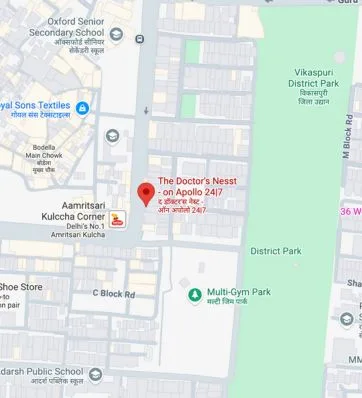
The Doctor's Nesst on Apollo
24/7
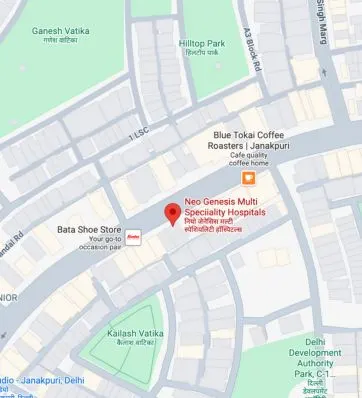
Neo Genesis Multi Speciiality
Hospitals

We provide compassionate and comprehensive women’s healthcare, offering gynaecology, obstetrics, fertility guidance, and preventive care to support you at every stage of life.


© Remedo 2025 | Dr. Parul Sharma | All Rights Reserved | Digital Marketing by Remedo