
Fertility concerns are increasingly common among couples planning a family. Difficulty conceiving can be emotionally challenging, but modern diagnostic methods help identify the underlying causes and guide effective treatment. Fertility testing is usually recommended when pregnancy does not occur despite regular attempts over a reasonable period, or earlier if specific medical concerns exist.
According to Dr. Parul Sharma, timely evaluation of both partners is essential because fertility issues can arise from either male or female factors. Understanding what these tests involve can reduce anxiety and help couples prepare better.
Why Fertility Testing Is Important
Fertility evaluation helps detect medical conditions, hormonal imbalances, structural abnormalities, or lifestyle factors that may interfere with conception. Early diagnosis improves the chances of successful treatment and helps avoid unnecessary delays.
Dr. Parul Sharma emphasizes that fertility testing is not about assigning blame but about identifying correctable factors and planning appropriate care for both partners.
Common Fertility Tests For Women
Female fertility assessment focuses on ovulation, reproductive anatomy, and hormonal balance. These tests are usually scheduled according to the menstrual cycle for accurate interpretation.
Hormonal Blood Tests
Hormone levels influence ovulation and reproductive health. Blood tests evaluate ovarian reserve, thyroid function, and other hormones that regulate menstrual cycles. Imbalances may affect egg release and fertility.
Ultrasound Examination
Pelvic ultrasound helps assess the uterus, ovaries, and surrounding structures. It can detect fibroids, ovarian cysts, endometrial thickness changes, or anatomical variations that may affect implantation.
Ovulation Assessment
Tracking ovulation confirms whether eggs are being released regularly. This may involve hormone monitoring, ultrasound follicle tracking, or cycle evaluation.
Tubal Patency Testing
Blocked fallopian tubes can prevent sperm from reaching the egg. Imaging procedures help evaluate whether the tubes are open and functioning normally.
Hysteroscopy
This minimally invasive procedure allows direct visualization of the uterine cavity. It helps diagnose polyps, fibroids, adhesions, or structural abnormalities that may interfere with implantation.
Dr. Parul Sharma explains that not every woman requires all tests. The evaluation is individualized based on symptoms, medical history, and clinical findings.
Common Fertility Tests For Men
Male fertility contributes significantly to conception, so evaluation of the male partner is equally important.
Semen Analysis
This is the primary male fertility test. It evaluates sperm count, motility, shape, and overall semen quality. Abnormal findings may indicate hormonal, lifestyle, or medical causes.
Hormonal Evaluation
Blood tests may be advised if semen analysis shows abnormalities. These help assess testosterone levels and other hormones involved in sperm production.
Imaging Studies
Ultrasound may be used to identify structural conditions such as varicocele or obstruction that may affect sperm transport.
Genetic Testing
In selected cases, genetic screening may be recommended to detect inherited conditions affecting fertility.
Dr. Parul Sharma highlights that male fertility testing is simple and noninvasive in most cases, yet it provides valuable information for treatment planning.
Preparing For Fertility Tests
Proper preparation helps ensure accurate results. Couples are often advised to maintain healthy lifestyle habits, follow medical instructions carefully, and schedule tests at appropriate times in the menstrual cycle.
It is also helpful to share complete medical history, previous reports, medications, and lifestyle factors with the treating specialist. Open communication improves diagnostic accuracy and treatment outcomes.
Emotional Aspects Of Fertility Evaluation
Fertility testing can be emotionally demanding. Anxiety, stress, and uncertainty are common. Professional counseling, supportive communication between partners, and clear guidance from specialists help reduce emotional strain.
Dr. Parul Sharma encourages couples to view fertility testing as a positive step toward understanding their reproductive health rather than a stressful obligation.
Treatment After Fertility Testing
Once results are available, treatment options are discussed based on the identified cause. Management may involve lifestyle modification, medical therapy, minimally invasive procedures, or assisted reproductive techniques.
Early evaluation often allows simpler treatments and improves overall success rates. Delaying assessment may allow conditions to progress and complicate management.
Frequently Asked Questions
Q: When should a couple consider fertility testing?
A: Evaluation is generally recommended if pregnancy does not occur after consistent attempts over time or earlier if there are menstrual irregularities, known medical issues, or previous reproductive concerns.
Q: Are fertility tests painful?
A: Most tests involve blood sampling, ultrasound, or simple procedures that cause minimal discomfort. Some specialized tests may cause mild temporary discomfort.
Q: Should both partners undergo testing simultaneously?
A: Yes. Evaluating both partners helps identify combined factors and avoids unnecessary delays.
Q: Can fertility problems always be treated?
A: Many causes are treatable with modern medical advances. Early diagnosis improves the likelihood of successful outcomes.
Q: Does stress affect fertility test results?
A: Stress does not directly change test results but may influence hormonal balance and lifestyle habits, which can impact fertility.
When To Consult A Specialist
If conception is delayed or if there are symptoms such as irregular cycles, pelvic pain, previous reproductive surgeries, or known health conditions, professional consultation is advisable. Early guidance helps prevent complications and supports informed decision making.
Dr. Parul Sharma, Obstetrician and Gynaecologist with Fellowship in Gynae Oncology, MBBS, MS, DNB, Fellowship in Gynae Oncology, provides comprehensive fertility evaluation, accurate diagnosis, and individualized treatment guidance to help couples move confidently toward parenthood. Schedule a consultation for expert assessment and personalized fertility care.
Our Locations
Trusted Women’s Health Services at Convenient Locations
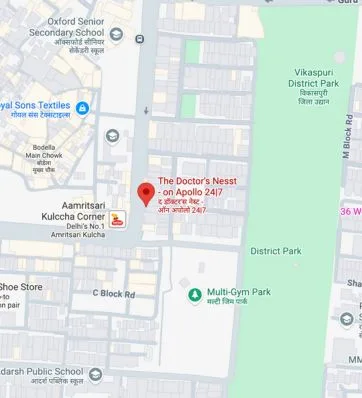
The Doctor's Nesst on Apollo
24/7
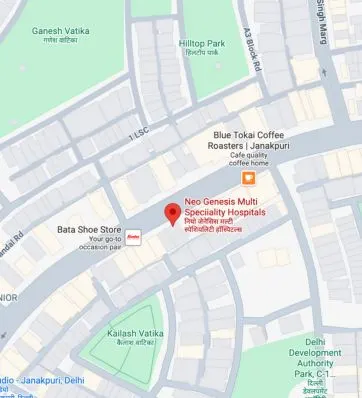
Neo Genesis Multi Speciiality
Hospitals

We provide compassionate and comprehensive women’s healthcare, offering gynaecology, obstetrics, fertility guidance, and preventive care to support you at every stage of life.


© Remedo 2025 | Dr. Parul Sharma | All Rights Reserved | Digital Marketing by Remedo