Introduction
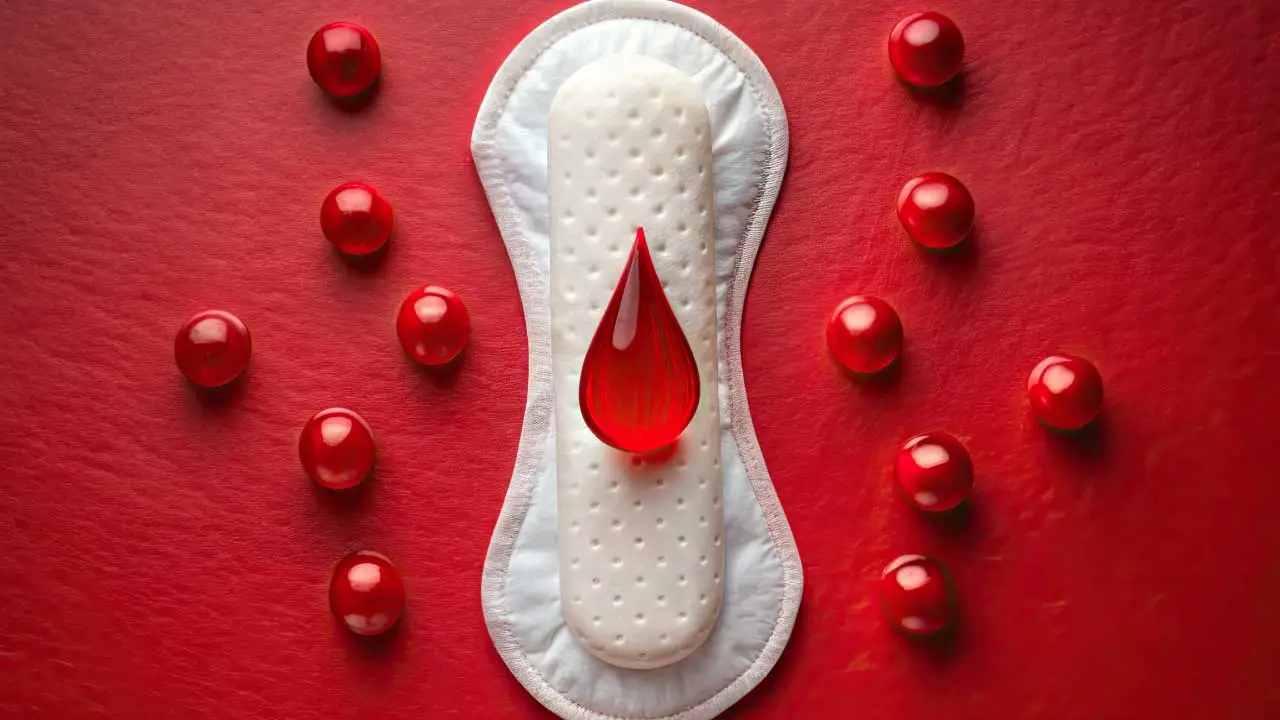
Menstrual cycles naturally change as women approach mid life. Hormonal shifts, lifestyle factors, and certain medical conditions can affect the pattern, duration, and flow of periods. One common concern experienced by many women during this stage is unusually heavy menstrual bleeding.
Heavy periods, medically known as menorrhagia, can significantly affect daily life. Women may experience fatigue, discomfort, and difficulty managing routine activities during their menstrual cycle. In some cases, heavy bleeding may also indicate an underlying health condition that requires medical attention.
Understanding why heavy periods occur in mid life and recognising when to seek medical care can help women manage their health more effectively. Early evaluation and appropriate treatment can reduce discomfort and improve quality of life.
What Are Heavy Periods?
Heavy periods refer to menstrual bleeding that is heavier or lasts longer than normal. While menstrual flow varies from person to person, certain signs may indicate that bleeding is excessive.
Heavy periods may involve:
- Menstrual bleeding lasting longer than seven days
- Soaking through sanitary pads or tampons every hour for several hours
- Passing large blood clots
- Needing to change menstrual products during the night
- Feeling tired or weak due to blood loss
If heavy bleeding occurs regularly or interferes with daily activities, it is important to consult a healthcare professional for evaluation.
Why Do Heavy Periods Occur In Mid Life?
Mid life, especially the years leading up to menopause, is known as perimenopause. During this stage, hormone levels fluctuate significantly, which can affect menstrual patterns.
Several factors may contribute to heavy periods in mid life women.
Hormonal imbalance
Fluctuations in estrogen and progesterone levels during perimenopause can cause the uterine lining to thicken, resulting in heavier bleeding.
Uterine fibroids
These non-cancerous growths in the uterus are common in women in their 40s and can cause heavy or prolonged periods.
Adenomyosis
This condition occurs when the uterine lining grows into the muscular wall of the uterus, leading to heavy bleeding and painful periods.
Endometrial polyps
Small growths in the uterine lining can contribute to irregular or heavy menstrual bleeding.
Certain medical conditions
Thyroid disorders, bleeding disorders, and other hormonal conditions may also influence menstrual flow.
Understanding the cause of heavy bleeding is important for selecting the most effective treatment.
Symptoms That Should Not Be Ignored
While some menstrual changes are normal in mid life, certain symptoms may require medical evaluation.
Warning signs include:
- Very heavy bleeding that soaks through menstrual products quickly
- Bleeding lasting longer than a week
- Large blood clots during menstruation
- Severe pelvic pain or cramps
- Bleeding between periods
- Feeling extremely tired or dizzy during menstruation
These symptoms may indicate conditions that require medical diagnosis and treatment.
How Is The Condition Diagnosed?
Doctors use several methods to determine the cause of heavy periods. A detailed medical history and physical examination are usually the first steps.
Common diagnostic tests may include:
- Pelvic examination to assess reproductive organs
- Ultrasound to evaluate the uterus and ovaries
- Blood tests to check hormone levels or anemia
- Endometrial biopsy to examine the uterine lining
- Hysteroscopy to view the inside of the uterus
These tests help identify the underlying cause of heavy bleeding and guide treatment decisions.
Treatment Options
Treatment for heavy periods in mid life women depends on the cause, severity of symptoms, and the individual’s overall health.
Common treatment options may include:
Hormonal Medications
Birth control pills or hormone therapy may help regulate menstrual cycles and reduce bleeding.
Non-hormonal Medications
Certain medications can help reduce menstrual blood loss and relieve symptoms.
Minimally Invasive Procedures
Procedures such as endometrial ablation may help reduce or stop heavy menstrual bleeding.
Surgical Treatment
In some cases, surgery may be recommended to remove fibroids, polyps, or other underlying causes.
A healthcare provider can help determine the most appropriate treatment based on each patient’s condition.
When Should You See A Doctor?
Heavy periods should not be ignored, especially when they affect daily activities or overall health.
You should consult a doctor if you experience:
- Very heavy menstrual bleeding
- Periods lasting longer than seven days
- Bleeding between menstrual cycles
- Severe pain during periods
- Symptoms of anemia such as fatigue or dizziness
Early medical consultation can help identify the cause and prevent complications.
Tips To Manage Heavy Periods
Along with medical treatment, certain lifestyle practices may help manage symptoms and support menstrual health.
Helpful tips include:
- Maintaining a balanced diet rich in iron
- Staying hydrated
- Engaging in regular physical activity
- Managing stress levels
- Keeping track of menstrual cycles and symptoms
These steps can help women monitor their health and seek timely care if needed.
FAQs
Q: What causes heavy periods in mid life women?
A: Heavy periods in mid life women are often caused by hormonal fluctuations during perimenopause, uterine fibroids, adenomyosis, polyps, or other underlying medical conditions.
Q: Are heavy periods normal during perimenopause?
A: Some menstrual changes are common during perimenopause, but very heavy or prolonged bleeding should be evaluated by a doctor.
Q: Can heavy periods lead to anemia?
A: Yes, excessive menstrual bleeding can cause iron deficiency anemia, which may lead to fatigue, weakness, and dizziness.
Q: How are heavy periods treated?
A: Treatment may include hormonal medications, non-hormonal medications, minimally invasive procedures, or surgery depending on the underlying cause.
Q: When should I see a doctor for heavy periods?
A: You should consult a doctor if your periods last longer than seven days, involve excessive bleeding, cause severe pain, or interfere with daily activities.
Book Your Consultation with Dr. Parul Sharma
Heavy periods in mid life women are a common concern and are often linked to hormonal changes during perimenopause. However, persistent or unusually heavy bleeding should not be ignored, as it may indicate underlying medical conditions.
Early evaluation, accurate diagnosis, and appropriate treatment can help manage symptoms and improve overall well-being. Consulting an experienced gynecologist such as Dr. Parul Sharma can help women understand their menstrual health and choose the best treatment options for their needs.
Our Locations
Trusted Women’s Health Services at Convenient Locations
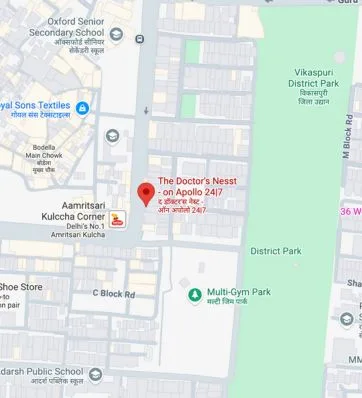
The Doctor's Nesst on Apollo
24/7
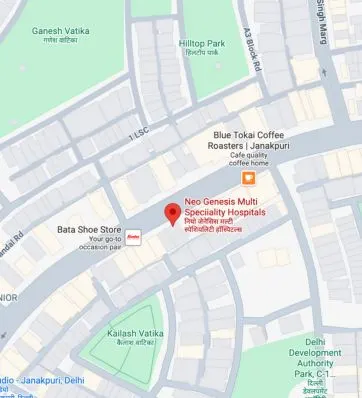
Neo Genesis Multi Speciiality
Hospitals

We provide compassionate and comprehensive women’s healthcare, offering gynaecology, obstetrics, fertility guidance, and preventive care to support you at every stage of life.


© Remedo 2025 | Dr. Parul Sharma | All Rights Reserved | Digital Marketing by Remedo