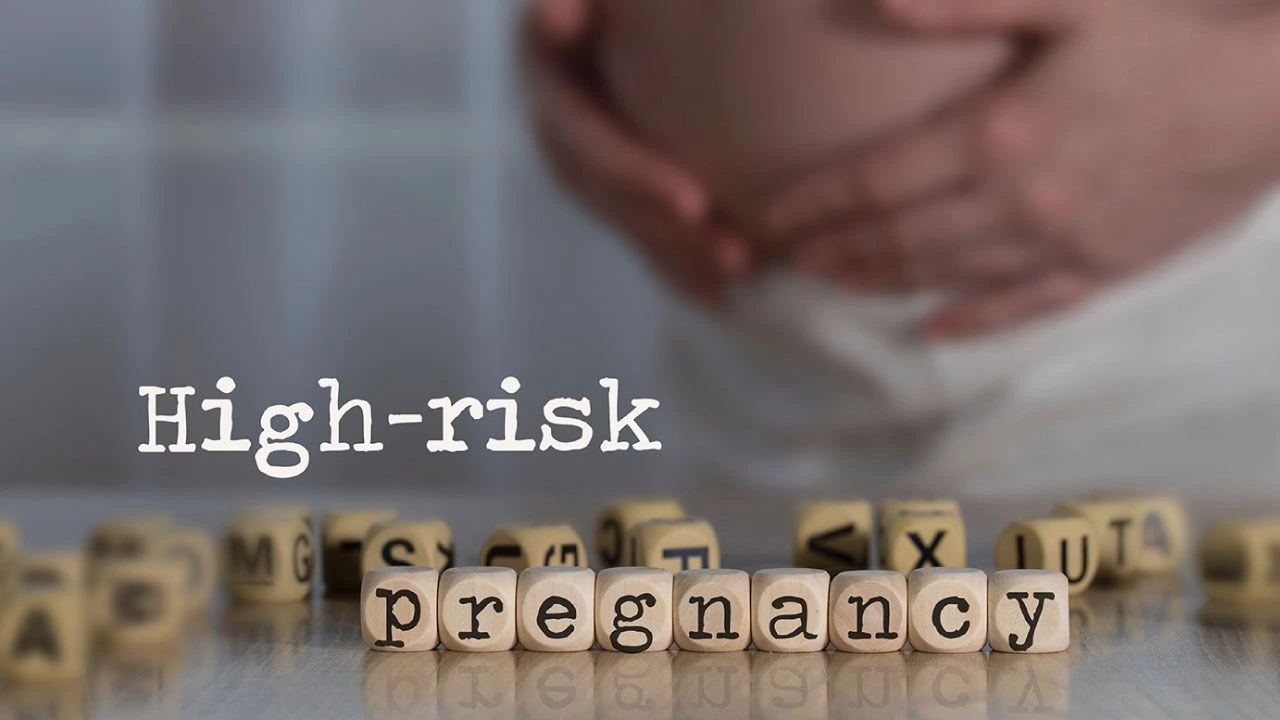
Pregnancy is a beautiful journey, but for some women, it can come with increased medical concerns. A high-risk pregnancy doesn’t mean something will definitely go wrong—it simply means extra care and monitoring are needed to protect the health of both mother and baby.
Let’s explore what high-risk pregnancy means, its causes, symptoms, and how it can be managed successfully with the right medical support.
What Is a High-Risk Pregnancy?
A high-risk pregnancy is one where the health or life of the mother or baby may be at risk before, during, or after delivery. It may require special monitoring, additional tests, and possibly treatment by a maternal-fetal medicine specialist.
Some pregnancies are considered high-risk from the beginning, while others become high-risk as complications develop over time.
Who Is at Risk?
Several factors can increase the likelihood of a high-risk pregnancy. These include:
Maternal Age
- Women under 17 or over 35 face higher chances of complications.
Pre-existing Health Conditions
- Diabetes, high blood pressure, thyroid disorders, kidney disease, and autoimmune disorders can all contribute to a high-risk classification.
Pregnancy-Related Conditions
- Conditions like gestational diabetes, preeclampsia, or placenta previa may develop during pregnancy and increase risk.
Multiple Pregnancies
- Carrying twins or more can increase the chances of premature birth or growth issues.
Lifestyle Factors
- Smoking, alcohol use, drug abuse, poor nutrition, and being underweight or overweight also raise the risk.
Common Complications in High-Risk Pregnancy
Understanding potential complications helps you and your doctor prepare better. Some include:
- Preterm labor: Labor that begins before 37 weeks.
- preeclampsia High blood pressure with signs of organ damage, usually after 20 weeks.
- Gestational diabetes: High blood sugar during pregnancy.
- Fetal growth restriction: The baby is smaller than expected for gestational age.
- Placental problems: Like placenta previa (covering the cervix) or placental abruption (early separation).
These complications require timely diagnosis and intervention to ensure the best outcome.
Symptoms You Shouldn't Ignore
Not all symptoms mean danger, but it’s crucial to stay alert. Watch out for:
- Severe or persistent abdominal pain
- Heavy bleeding or spotting
- Severe headaches or visual disturbances
- Painful urination
- Swelling in hands, face, or feet not related to normal pregnancy
- Decreased fetal movement after 28 weeks
How Is a High-Risk Pregnancy Managed?
With proper care, many women with high-risk pregnancies deliver healthy babies. Management includes:
Early and Regular Prenatal Care
- Early visits help identify risk factors.
- Routine ultrasounds and blood tests help track fetal development and maternal health.
Specialist Care
- A maternal-fetal medicine (MFM) specialist may be involved for advanced care.
Lifestyle Adjustments
- A healthy diet, stress management, and quitting harmful habits are essential.
Medications and Monitoring
- Medications might be prescribed to manage conditions like hypertension or diabetes.
- Close monitoring of the baby’s growth, heart rate, and your vital signs may be done more frequently.
Tips to Stay Healthy During a High-Risk Pregnancy
While not every risk factor is controllable, these tips can make a significant difference:
- Eat a balanced diet rich in iron, calcium, folic acid, and protein.
- Stay active, as advised by your doctor.
- Get plenty of rest and avoid unnecessary stress.
- Attend all prenatal appointments and never skip tests or ultrasounds.
- Stay informed about your condition and ask questions freely.
FAQs About High-Risk Pregnancy
Q: Can a high-risk pregnancy still result in a normal delivery?
A: Yes, with proper monitoring and medical care, many high-risk pregnancies result in healthy, full-term babies and normal deliveries.
Q: Is high-risk pregnancy always dangerous?
A: Not necessarily. “High-risk” simply means additional care is needed—it doesn’t guarantee complications.
Q: Can I lower my risk once pregnant?
A: Yes. While some factors like age or pre-existing conditions can’t be changed, lifestyle modifications and medical treatments can greatly reduce potential risks.
Q: How often will I need to see my doctor?
A: High-risk pregnancies may require more frequent checkups, ultrasounds, and lab tests—sometimes every 1–2 weeks.
Q: Will I need a C-section?
A: Not always. A C-section might be recommended for certain complications, but many high-risk pregnancies still allow for vaginal delivery with careful monitoring.
Pregnancy is one of life’s most special journeys—and every mother deserves to feel safe, confident, and cared for. If you’ve been told your pregnancy is high-risk, don’t panic. With the right care and guidance, you can navigate this path smoothly.
Dr. Parul Sharma, an experienced and compassionate OB-GYN, specializes in managing high-risk pregnancies with advanced diagnostics, personalized care plans, and unwavering support. Whether you’re facing complications or seeking expert guidance, Dr. Sharma is here to ensure the best outcome for you and your baby.
Schedule your consultation with Dr. Parul Sharma today and take a confident step toward a healthy, happy pregnancy.
Our Locations
Trusted Women’s Health Services at Convenient Locations
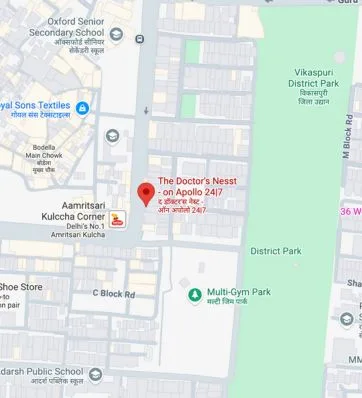
The Doctor's Nesst on Apollo
24/7
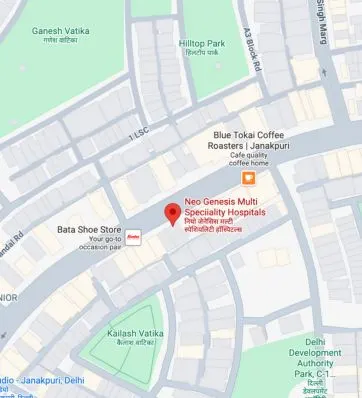
Neo Genesis Multi Speciiality
Hospitals
We provide compassionate and comprehensive women’s healthcare, offering gynaecology, obstetrics, fertility guidance, and preventive care to support you at every stage of life.


© Remedo 2025 | Dr. Parul Sharma | All Rights Reserved | Digital Marketing by Remedo