
Your menstrual cycle does more than just signal fertility – it offers essential insights into your overall health. From hormonal imbalances to stress levels, your period can reflect a wide range of underlying conditions. By paying close attention to your cycle, you can uncover clues about your well-being, often before any symptoms of a health issue arise.
In this blog, we’ll explore how your period can reveal secrets about your health, why it’s essential to track your cycle, and when you should consult a healthcare professional.
Understanding Your Menstrual Cycle
A typical menstrual cycle lasts around 28 days, but it can vary from woman to woman. The cycle is controlled by a delicate balance of hormones, including estrogen and progesterone. Your period typically lasts between 3-7 days and is followed by a phase of ovulation, where the body prepares for a possible pregnancy.
Several factors, such as age, stress, nutrition, and lifestyle, can influence your cycle. However, significant changes or irregularities may be a sign of underlying health issues.
How Periods Reflect Your Health
Your menstrual cycle provides valuable information about your health. Here are a few ways your period can signal potential health issues:
1. Irregular Periods
Irregular periods can indicate hormonal imbalances, thyroid problems, or other health concerns such as polycystic ovary syndrome (PCOS). If your cycle is consistently shorter than 21 days or longer than 35 days, it may be time to consult a doctor.
2. Heavy Bleeding (Menorrhagia)
Excessive bleeding can be a sign of fibroids, polyps, or endometriosis. If you’re soaking through pads or tampons every hour, or if your period lasts longer than 7 days, it’s essential to seek medical advice.
3. Painful Periods (Dysmenorrhea)
While some discomfort is normal during menstruation, intense cramps can indicate conditions like endometriosis, fibroids, or pelvic inflammatory disease (PID). If pain is interfering with your daily life, it’s crucial to talk to your doctor.
4. Absence of Periods (Amenorrhea)
If you miss a period for more than three months and are not pregnant, it could be due to stress, excessive exercise, or hormonal imbalances. In some cases, it may be linked to a more serious condition such as PCOS or hypothalamic amenorrhea
5. PMS and Mood Swings
While premenstrual syndrome (PMS) affects many women, extreme mood swings, irritability, or depression may be a sign of an underlying hormonal imbalance. Women with severe PMS or PMDD (premenstrual dysphoric disorder) should consider seeking professional help to manage their symptoms.
What Can Your Periods Tell You About Your Hormones?
Your period often reflects the state of your hormones. A consistent and regular cycle is generally a sign of balanced hormones. However, fluctuations in hormone levels can lead to symptoms such as:
- Estrogen Imbalance: Excess estrogen can cause heavy periods, mood swings, and bloating. Low estrogen levels might cause hot flashes, vaginal dryness, and missed periods.
- Progesterone Imbalance: Too little progesterone can result in irregular periods, spotting between periods, and difficulty conceiving.
- Thyroid Issues: Both an overactive and underactive thyroid can affect your menstrual cycle, leading to irregular periods, heavy bleeding, or missed periods altogether.
Stress and Your Menstrual Health
Stress can have a significant impact on your menstrual health. High levels of stress can interfere with the hypothalamus (the part of your brain that controls hormones), potentially leading to irregular cycles or missed periods. Chronic stress may also exacerbate conditions like PCOS or fibroids.
When to Seek Medical Advice
It’s important to listen to your body. If you notice any of the following symptoms, you should consult a healthcare provider:
- Irregular cycles lasting longer than 35 days or shorter than 21 days.
- Heavy bleeding that lasts more than 7 days.
- Severe pain during periods that disrupt your daily activities.
- A missed period without pregnancy.
- Sudden changes in mood or behavior around your cycle.
Frequently Asked Questions (FAQs)
Q: How can I tell if my period is irregular?
A: Irregular periods are those that vary in frequency, length, or intensity. If your cycle is consistently outside the typical 21-35 day range or if you experience significant changes in flow or duration, it could be considered irregular.
Q: What causes missed periods?
A: Missed periods can be caused by a variety of factors, including stress, excessive exercise, pregnancy, hormonal imbalances, or underlying conditions like PCOS or thyroid disorders.
Q: Is it normal to have cramps every month?
A: Mild cramps are common, but if the pain is severe enough to interfere with daily activities, it could indicate a more serious issue such as endometriosis, fibroids, or PID.
Q: How do I track my menstrual cycle?
A: You can track your cycle by marking the first day of your period on a calendar or using a period tracking app. This will help you monitor regularity, flow, and symptoms.
Q: What should I do if I have very heavy periods?
A: If your period is excessively heavy (soaking through tampons or pads every hour), it’s important to seek medical help. Conditions like fibroids, polyps, or endometriosis can cause heavy bleeding.
Consult Dr. Parul Sharma for Expert Care
Your menstrual cycle is a powerful tool that can provide valuable information about your overall health. By paying attention to your cycle and its changes, you can better understand your body’s needs and take proactive steps toward maintaining your health.
If you’re experiencing irregular periods, heavy bleeding, or painful symptoms, it’s essential to consult with a healthcare provider. Dr. Parul Sharma, a trusted gynecologist and women’s health expert, can help you understand the underlying causes of your menstrual irregularities and offer personalized solutions for improving your reproductive health. Don’t wait for your symptoms to worsen—schedule a consultation with Dr. Parul Sharma today and take the first step toward a healthier, more balanced life.
Our Locations
Trusted Women’s Health Services at Convenient Locations
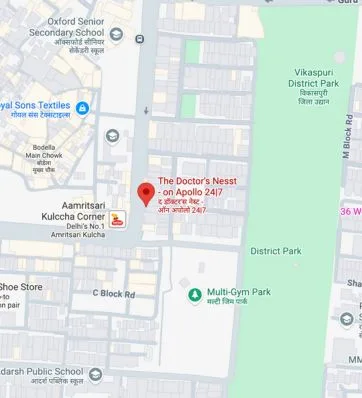
The Doctor's Nesst on Apollo
24/7
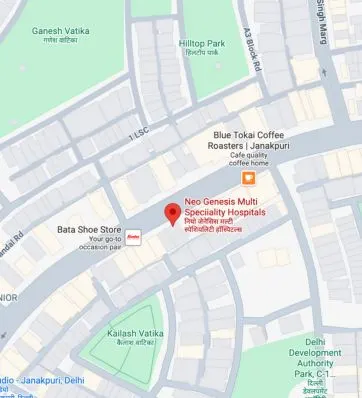
Neo Genesis Multi Speciiality
Hospitals

We provide compassionate and comprehensive women’s healthcare, offering gynaecology, obstetrics, fertility guidance, and preventive care to support you at every stage of life.


© Remedo 2025 | Dr. Parul Sharma | All Rights Reserved | Digital Marketing by Remedo