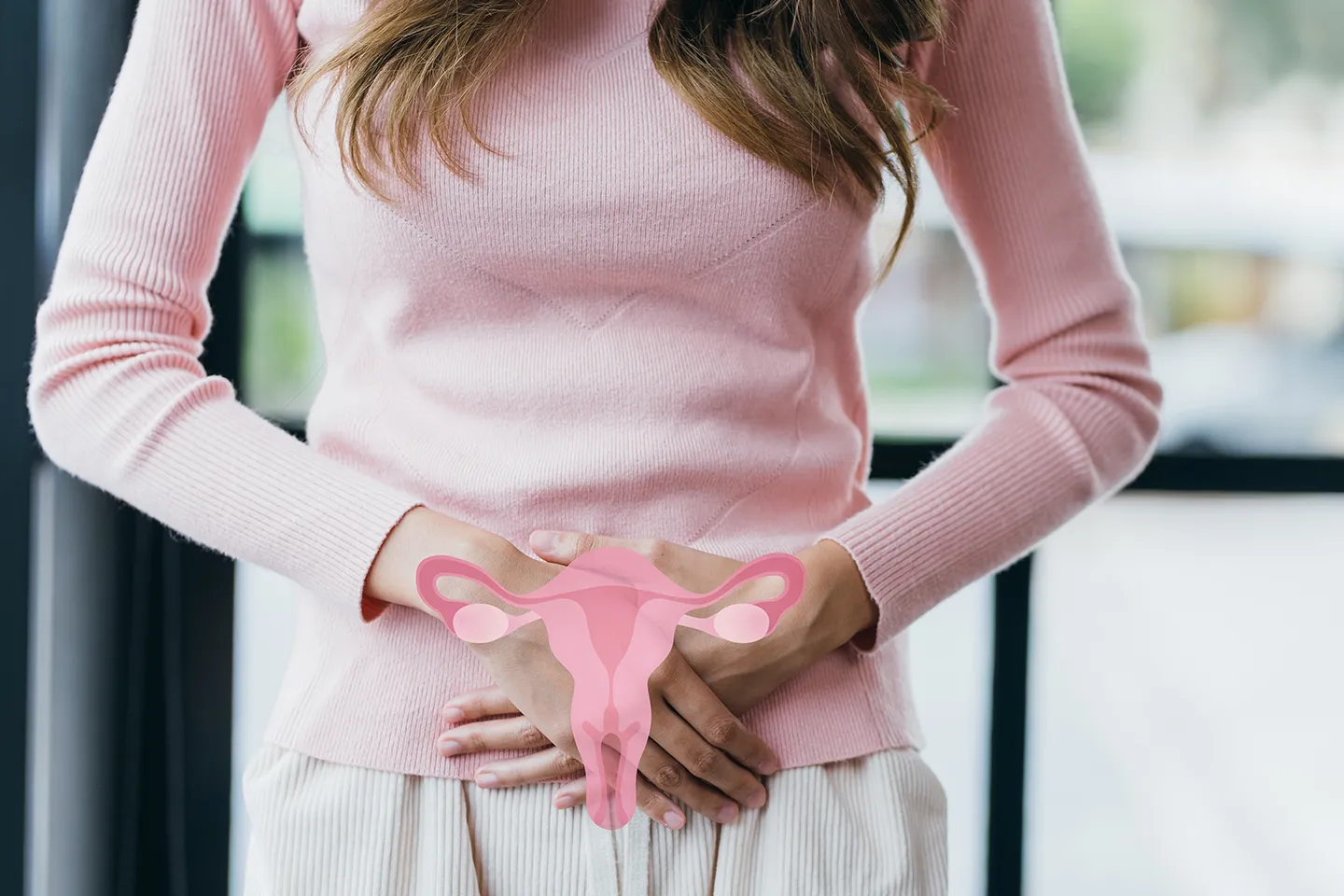
Infertility is a growing concern that affects millions of couples worldwide. Despite medical advancements, infertility remains a sensitive subject, often clouded by misinformation and emotional distress. Raising awareness about infertility is essential to help individuals and couples navigate their journey with the right knowledge and support.
What is Infertility?
Infertility is defined as the inability to conceive after one year of regular, unprotected intercourse. For women over 35, this period reduces to six months. Both men and women can experience infertility due to a variety of factors, including hormonal imbalances, genetic conditions, lifestyle choices, and underlying medical issues.
Common Causes of Infertility
In Women:
- Hormonal Imbalances – Conditions like Polycystic Ovary Syndrome (PCOS) and thyroid disorders can interfere with ovulation.
- Blocked Fallopian Tubes – Often caused by infections, endometriosis, or pelvic inflammatory disease.
- Uterine Conditions – Fibroids, polyps, or structural abnormalities can affect implantation.
- Age-Related Decline – Fertility decreases significantly after the age of 35.
- Lifestyle Factors – Smoking, excessive alcohol consumption, and poor diet can impact fertility.
In Men:
- Low Sperm Count or Poor Sperm Quality – Affects the ability to fertilize an egg.
- Hormonal Issues – Testosterone imbalances can reduce sperm production.
- Varicocele – Enlarged veins in the scrotum can impair sperm function.
- Infections – Certain infections can lead to sperm blockage or poor sperm motility.
- Lifestyle Choices – Excessive stress, obesity, smoking, and substance abuse can contribute to infertility.
Diagnosis and Treatment Options
Early diagnosis is crucial for effective treatment. Fertility specialists conduct various tests such as hormone evaluations, ultrasounds, semen analysis, and hysterosalpingography (HSG) to assess reproductive health.
Treatment Approaches:
- Medications – Hormonal therapies and ovulation-inducing drugs can enhance fertility.
- Surgical Procedures – Surgery may be necessary to correct structural abnormalities or remove blockages.
- Assisted Reproductive Technologies (ART) – Procedures like Intrauterine Insemination (IUI) and In Vitro Fertilization (IVF) offer solutions for many couples struggling with infertility.
- Lifestyle Modifications – A healthy diet, regular exercise, and stress management can improve fertility outcomes.
Emotional and Psychological Impact of Infertility
Infertility can be emotionally overwhelming, leading to stress, anxiety, and depression. Support from family, friends, and professional counselors can help individuals cope with the psychological impact. Joining support groups or seeking therapy can provide much-needed emotional relief and guidance.
Breaking the Stigma Surrounding Infertility
Infertility is often surrounded by stigma, especially in certain cultures where parenthood is highly valued. Raising awareness, promoting open discussions, and educating society about the medical aspects of infertility can help reduce misconceptions and create a supportive environment for affected individuals.
FAQs About Infertility
Q: What are the first signs of infertility?
A: Common signs include irregular menstrual cycles, painful periods, difficulty conceiving after one year of trying, and hormonal symptoms like excessive hair growth or acne in women. Men may experience issues such as reduced sexual drive, erectile dysfunction, or abnormal sperm parameters.
Q: Can stress cause infertility?
A: While stress alone does not directly cause infertility, it can affect hormone levels and ovulation, making conception more challenging. Managing stress through relaxation techniques, meditation, and a healthy lifestyle can improve fertility outcomes.
Q: What are the chances of getting pregnant after 35?
A: Fertility declines with age, and after 35, the chances of conceiving naturally decrease. However, medical interventions such as IVF can help women conceive even in their late 30s and 40s.
Q: How long should we try to conceive before seeking medical help?
A: Couples under 35 should try for at least a year before consulting a fertility specialist. If the woman is over 35, seeking medical advice after six months is recommended.
Q: Are there natural remedies for infertility?
A: While no natural remedy guarantees pregnancy, adopting a healthy diet rich in antioxidants, maintaining a healthy weight, reducing alcohol intake, and quitting smoking can enhance fertility.
Seeking Expert Help: Dr. Parul Sharma
If you or a loved one are facing fertility challenges, expert guidance can make all the difference. Dr. Parul Sharma, a renowned fertility specialist, offers compassionate care and advanced treatment solutions tailored to each patient’s unique needs. With years of expertise in reproductive medicine, Dr. Sharma provides a holistic approach to diagnosing and treating infertility, ensuring the best possible outcomes for aspiring parents.
Don't let infertility define your journey. Take the first step towards parenthood with the right medical support. Schedule a consultation with Dr. Parul Sharma today and embark on a path toward hope and success!
Our Locations
Trusted Women’s Health Services at Convenient Locations
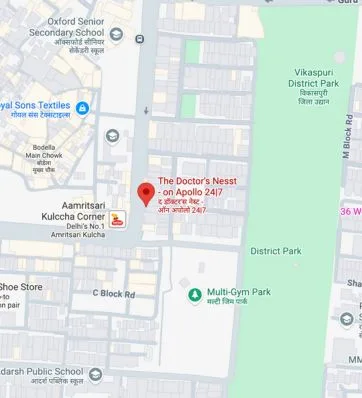
The Doctor's Nesst on Apollo
24/7
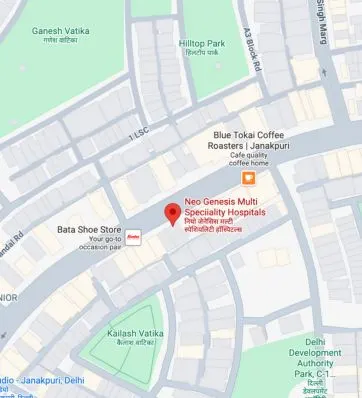
Neo Genesis Multi Speciiality
Hospitals

We provide compassionate and comprehensive women’s healthcare, offering gynaecology, obstetrics, fertility guidance, and preventive care to support you at every stage of life.


© Remedo 2025 | Dr. Parul Sharma | All Rights Reserved | Digital Marketing by Remedo