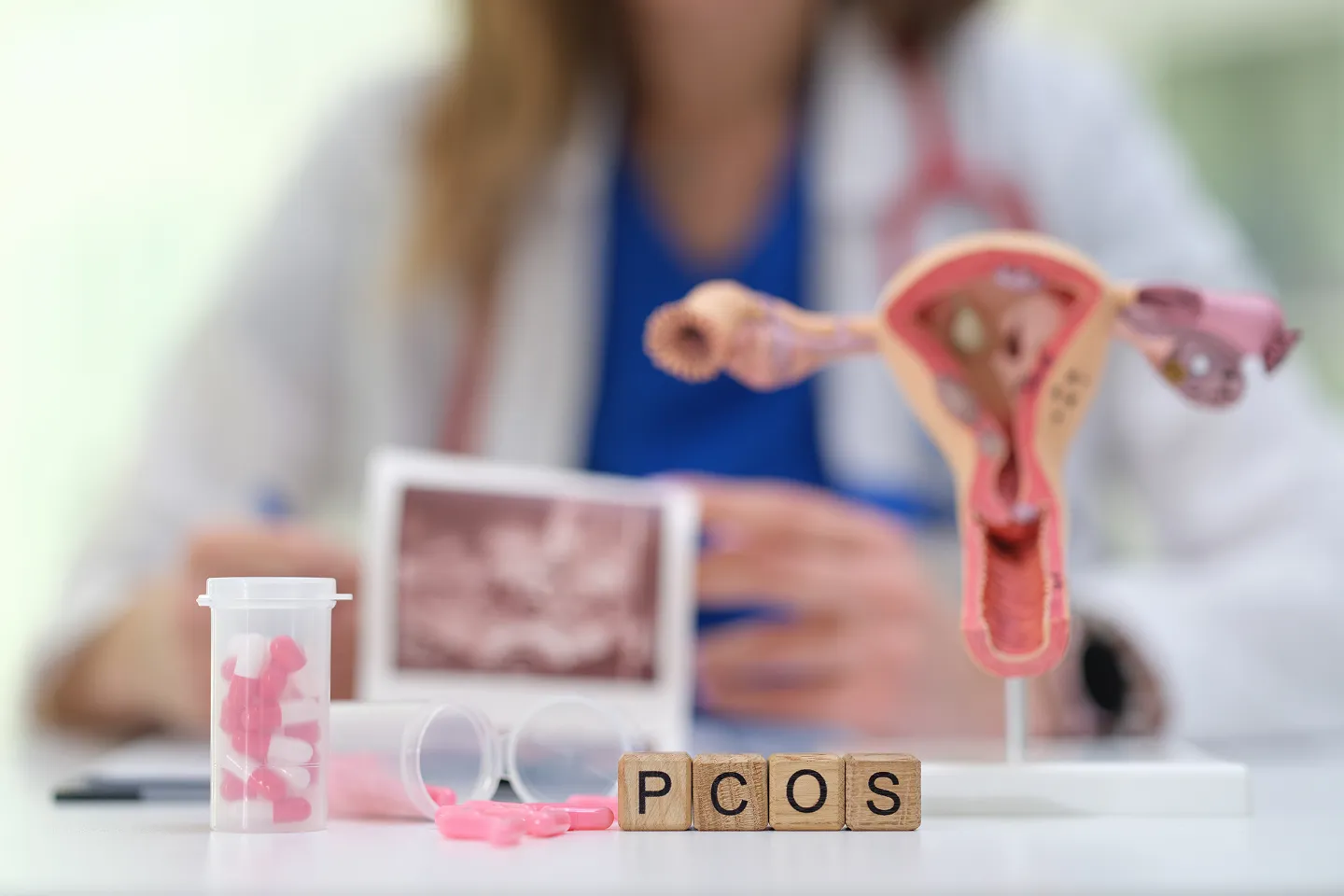
PCOS, or Polycystic Ovary Syndrome, is a common hormonal disorder that affects many women of reproductive age. It can cause a range of symptoms, including irregular periods, acne, weight gain, and fertility issues. If you suspect you may have PCOS, it's important to understand what it is and how it can affect your health.
In this blog post, we'll provide an overview of PCOS and its symptoms. We'll also discuss the causes of PCOS and how it's diagnosed.
Q: What is PCOS and how does it affect the body?
PCOS stands for Polycystic Ovary Syndrome, which is a hormonal disorder that affects women of reproductive age. It is a common condition that affects approximately 1 in 10 women worldwide.
The exact cause of PCOS is not fully understood, but it is believed to be related to a combination of genetic and environmental factors. Women with PCOS are also at increased risk of developing other health problems, such as obesity, type 2 diabetes, high blood pressure, and cardiovascular disease.
PCOS can affect the body in many ways, and its symptoms can vary from woman to woman. It can cause infertility and make it difficult for women to conceive. It can also cause emotional and psychological distress, affecting a woman's quality of life.
Common signs and symptoms of PCOS
Some of the most common signs and symptoms of PCOS include:
- rregular periods: Women with PCOS may have infrequent or prolonged menstrual periods, or they may not have periods at all.
- Excess androgen: Androgens are male hormones that are present in both men and women, but women with PCOS may have higher levels of androgens than normal. This can cause acne, excess hair growth, and male-pattern baldness.
- Polycystic ovaries: Women with PCOS may have enlarged ovaries with multiple small cysts on the outer edges.
- Weight gain or difficulty losing weight: Women with PCOS may struggle with weight gain and obesity.
- Insulin resistance: Women with PCOS may have insulin resistance, which means their cells don't respond to insulin properly. This can lead to high blood sugar levels and an increased risk of type 2 diabetes.
- Mood swings: Women with PCOS may experience mood swings, anxiety, and depression.
- Fatigue: Women with PCOS may experience fatigue and lack of energy.
- Infertility: PCOS can cause irregular periods and ovulation, making it difficult for women to conceive.
- Skin tags: Women with PCOS may develop skin tags, which are small, soft, skin-colored growths on the skin..
- Medical history and physical exam: Your healthcare provider will ask you about your menstrual cycle, symptoms, and medical history. They will also perform a physical exam to check for signs of PCOS, such as excess hair growth or acne.
- Blood tests: Your healthcare provider may order blood tests to measure hormone levels, including testosterone, estrogen, and luteinizing hormone (LH). They may also test for insulin resistance and glucose intolerance.
- Pelvic ultrasound: An ultrasound can be used to examine the ovaries and look for the presence of multiple small cysts on the outer edges of the ovaries.
- Other tests: Your healthcare provider may also order other tests to rule out other conditions that can cause similar symptoms, such as thyroid disease.
- Monitoring symptoms: PCOS can cause a range of symptoms, and regular check-ups can help monitor these symptoms and make any necessary adjustments to treatment.
- Managing menstrual irregularities: Women with PCOS may have irregular periods, which can increase their risk of endometrial cancer. Regular check-ups can help monitor menstrual irregularities and manage them appropriately.
- Monitoring for complications: Women with PCOS may have an increased risk of developing health complications, such as type 2 diabetes, high blood pressure, and high cholesterol. Regular check-ups can help monitor these complications and manage them appropriately.
- Fertility evaluation and management: Women with PCOS may struggle with fertility, and regular check-ups can help evaluate fertility and manage any fertility issues appropriately.
- Medication management: Women with PCOS may require medication to manage their symptoms, and regular check-ups can help monitor medication effectiveness and adjust dosages if needed.
- Lifestyle counseling: Lifestyle changes, such as diet and exercise, can help manage PCOS symptoms. Regular check-ups can help provide counseling and support for making these lifestyle changes.
How PCOS is diagnosed by medical professionals
The diagnosis of PCOS (Polycystic Ovary Syndrome) typically involves several tests to evaluate your symptoms and hormone levels. Some of the common diagnostic tests for PCOS include:
It's important to note that there is no single test to diagnose PCOS, and the diagnosis may be based on a combination of tests and evaluation of symptoms. If you suspect you may have PCOS, it's important to speak with your healthcare provider. They can perform an evaluation and recommend appropriate testing or treatment options. Early diagnosis and treatment of PCOS can help manage symptoms and prevent complications.
Importance of regular check-ups with a healthcare provider for women with PCOS
Here are some reasons why regular check-ups are important for women with PCOS:
Once a diagnosis is made, there are several treatment options available to help manage symptoms and improve overall health. If you are in Delhi and looking for the Best gynecologist who specializes in treating PCOS, consider consulting with Dr. Parul Sharma With her expertise and experience, she can provide personalized care and support to help you manage this condition and improve your quality of life.
Our Locations
Trusted Women’s Health Services at Convenient Locations
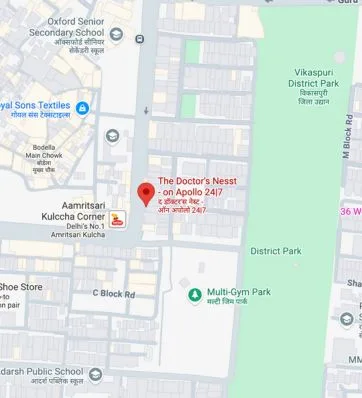
The Doctor's Nesst on Apollo
24/7
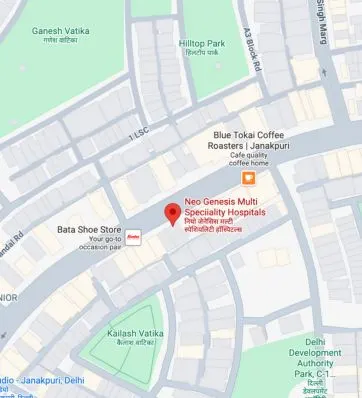
Neo Genesis Multi Speciiality
Hospitals

We provide compassionate and comprehensive women’s healthcare, offering gynaecology, obstetrics, fertility guidance, and preventive care to support you at every stage of life.


© Remedo 2025 | Dr. Parul Sharma | All Rights Reserved | Digital Marketing by Remedo