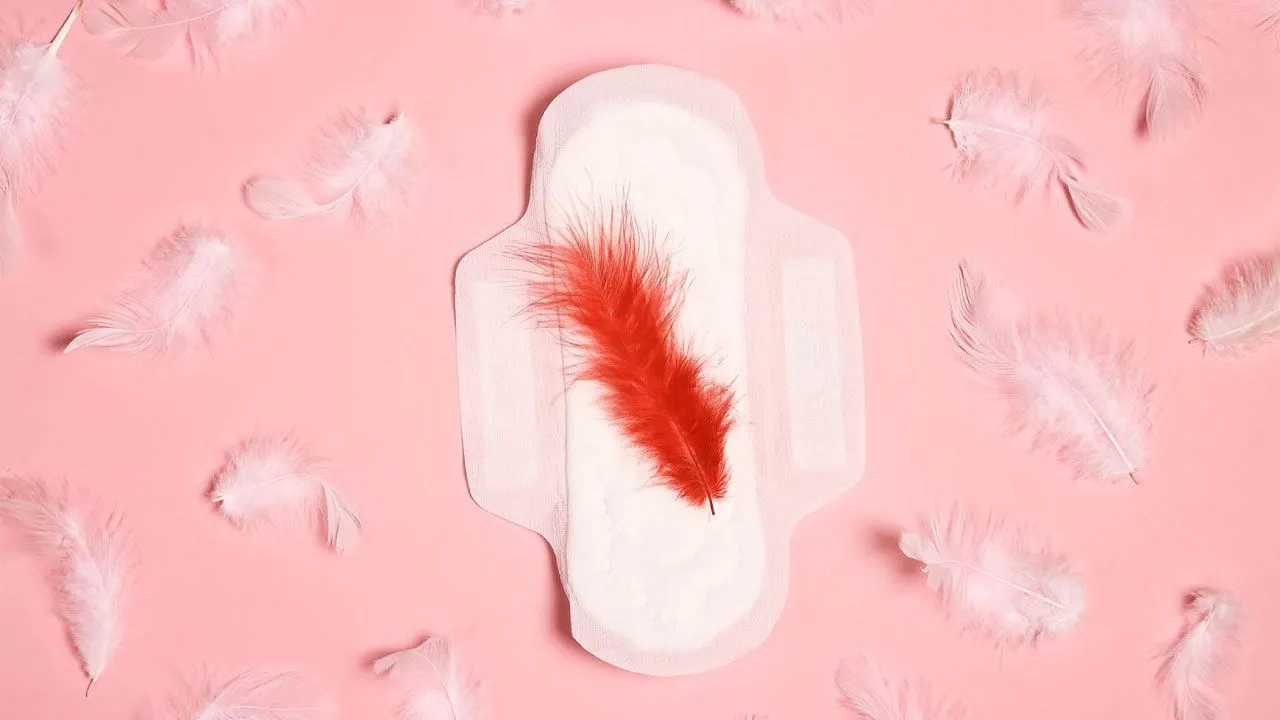
Periods are a natural part of life for women, yet menstrual hygiene remains a taboo topic in many societies. Proper menstrual hygiene is essential for maintaining good health and preventing infections. In this blog, we'll discuss the importance of menstrual hygiene and provide tips on how to maintain it. From choosing the right menstrual products to proper disposal methods, we'll cover everything you need to know to stay healthy and comfortable during your period. So let's break the stigma and start talking about menstrual hygiene!
Q: What is menstrual hygiene and why is it important?
Menstrual hygiene refers to the practices and habits a woman adopts during her menstrual cycle to keep herself clean and healthy. Menstrual hygiene includes using clean and absorbent materials to manage menstrual bleeding, washing the genital area regularly, and changing pads or tampons frequently.
Maintaining menstrual hygiene is crucial for several reasons:
- Preventing infections: Poor menstrual hygiene can lead to vaginal infections, urinary tract infections, and other reproductive health problems. Using clean and absorbent materials to manage menstrual bleeding and washing the genital area regularly can help prevent these infections.
- Reducing odors: Menstrual blood can have a strong odor, and proper menstrual hygiene can help reduce these odors and prevent embarrassment.
- Reducing discomfort: Menstrual cramps and other discomforts are common during periods, and proper menstrual hygiene can help reduce discomfort by keeping the genital area clean and dry.
- Preventing staining of clothes: Proper menstrual hygiene can help prevent the staining of clothes, sheets, and other fabrics.
- Promoting confidence and self-esteem: Proper menstrual hygiene can help women feel confident and comfortable during their periods, which can improve their self-esteem and overall quality of life.
Overall, menstrual hygiene is essential for women's health and well-being. Women should be encouraged to adopt healthy menstrual hygiene practices to maintain good reproductive health and prevent infections and other complications.
Common misconceptions about menstruation and menstrual hygiene
There are several misconceptions about menstruation and menstrual hygiene that can lead to negative attitudes toward periods and inadequate menstrual hygiene practices. Some of the common misconceptions include:
- Menstrual blood is dirty: Menstrual blood is a natural bodily fluid and is not dirty. The menstrual blood and other secretions are the body's way of cleaning the reproductive system.
- Using tampons can make a woman lose her virginity: The use of tampons does not affect a woman's virginity. Virginity is a social and cultural construct and is not related to the use of tampons.
- Menstruation is a sign of weakness: Menstruation is a natural process that happens to most women during their reproductive years. It is not a sign of weakness or impurity.
- Menstruation is a taboo subject: Menstruation is a normal bodily function and should not be considered a taboo subject. Openly discussing menstrual hygiene and promoting good menstrual hygiene practices can help break down stigmas and promote women's health.
It is important to dispel these misconceptions and promote accurate information about menstruation and menstrual hygiene. This can help improve women's health and promote a positive attitude towards periods.
The impact of poor menstrual hygiene on health and well-being
Poor menstrual hygiene can have several negative impacts on a woman's health and well-being. Some of the common health problems associated with poor menstrual hygiene include:
- Vaginal infections: Using unclean materials to manage menstrual bleeding or not washing the genital area regularly can increase the risk of vaginal infections, such as bacterial vaginosis, yeast infections, and urinary tract infections.
- Reproductive health problems: Poor menstrual hygiene practices can lead to reproductive health problems such as endometriosis, pelvic inflammatory disease, and other sexually transmitted infections.
- Skin irritation: Prolonged exposure to wet and dirty pads or tampons can cause skin irritation, rashes, and sores around the genital area
- Bad odors: Poor menstrual hygiene can lead to strong and unpleasant odors from menstrual blood and vaginal secretions, which can cause embarrassment and low self-esteem.
- Toxic shock syndrome (TSS): TSS is a rare but potentially life-threatening condition caused by the bacteria Staphylococcus aureus, which can be associated with the prolonged use of high-absorbency tampons.
Poor menstrual hygiene can also affect a woman's overall well-being. Women who experience discomfort, embarrassment, or shame during their periods may feel isolated, anxious, and depressed. They may also miss school or work, which can affect their education, employment, and economic opportunities.
Tips for maintaining good menstrual hygiene while traveling
Here are some tips to help you maintain good menstrual hygiene while traveling:
- Pack your menstrual supplies: Make sure to pack enough pads or tampons for the duration of your trip. If you use reusable menstrual products, such as menstrual cups or cloth pads, make sure to pack enough clean ones and a small bottle of soap to wash them.
- Bring wet wipes and hand sanitizer: Wet wipes and hand sanitizer can come in handy if you need to clean your hands or genital area when there is no running water available.
- Use a menstrual cup: Menstrual cups are a great option for travel as they are reusable and can be worn for up to 12 hours. They also take up less space in your luggage than pads or tampons.
- Wear comfortable clothes: Choose comfortable, loose-fitting clothes that allow for easy movement and ventilation to prevent excessive sweating and odor.
- Stay hydrated: Drinking plenty of water can help regulate your menstrual cycle and prevent dehydration, which can exacerbate menstrual cramps and fatigue.
- Avoid public restrooms: If possible, try to avoid using public restrooms as they may not be clean or have running water available. Instead, use the restroom in your hotel room or a private restroom if available.
- Dispose of menstrual waste properly: Make sure to dispose of your used pads or tampons properly by wrapping them in toilet paper and throwing them in the trash. Avoid flushing them down the toilet as it can cause blockages.
Remember, maintaining good menstrual hygiene while traveling is important for your health and well-being. By being prepared and taking precautions, you can enjoy your trip without worrying about your period.
By debunking common misconceptions surrounding menstruation, we can promote a better understanding of the topic and encourage more women to take charge of their menstrual health. If you're looking for expert advice on menstrual hygiene, consider consulting with Dr. Parul Sharma, the best gynecologist in Delhi who can provide guidance on the best practices for maintaining good menstrual hygiene. Remember, taking care of yourself during your period is essential for a healthy body and mind.
Our Locations
Trusted Women’s Health Services at Convenient Locations
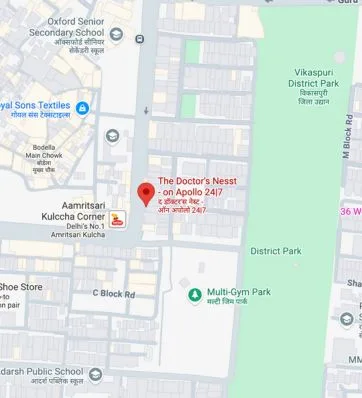
The Doctor's Nesst on Apollo
24/7
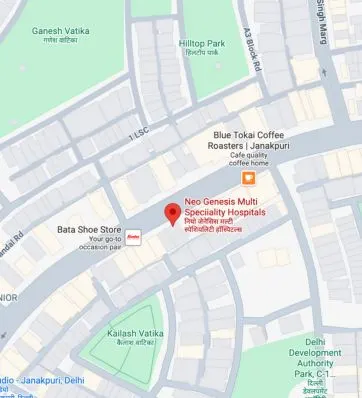
Neo Genesis Multi Speciiality
Hospitals

We provide compassionate and comprehensive women’s healthcare, offering gynaecology, obstetrics, fertility guidance, and preventive care to support you at every stage of life.


© Remedo 2025 | Dr. Parul Sharma | All Rights Reserved | Digital Marketing by Remedo