
Low libido, or a reduced sex drive, is a common concern among women. It can be a frustrating and sensitive issue, affecting not only a woman's physical health but also her emotional well-being and relationships. However, understanding the causes and knowing how to address it can help women regain control over their sexual health.
What is Low Libido?
Libido refers to a person’s sexual desire or drive. For women, low libido means a decrease in interest in sexual activity, and it can be caused by a variety of physical, psychological, and emotional factors. While libido naturally fluctuates throughout a woman’s life, an ongoing decrease can cause distress and impact relationships.
Common Causes of Low Libido in Women
- Hormonal Imbalances
- Hormonal fluctuations are a common cause of low libido in women, especially during significant life changes such as pregnancy, postpartum, and menopause. The drop in estrogen, progesterone, and testosterone levels can affect sexual desire and arousal.
- Stress and Mental Health
- High stress, anxiety, and depression can drastically affect libido. When a woman is mentally overwhelmed or anxious, her body might release cortisol, a hormone that can suppress sexual desire. Unresolved emotional issues can also contribute to a decrease in libido.
- Relationship Problems
- Relationship dynamics, including lack of emotional intimacy, unresolved conflicts, or dissatisfaction with a partner, can directly influence a woman’s interest in sex. Communication and mutual respect play a crucial role in a woman’s sexual health.
- Medications
- Certain medications, such as antidepressants, birth control pills, and blood pressure medications, can have side effects that lower libido. Consulting a healthcare provider about these effects and possible alternatives is important.
- Physical Health Issues
- Conditions like diabetes, obesity, thyroid disorders, and chronic illnesses can affect libido. Poor physical health often results in decreased energy levels and can lower sexual desire. Additionally, some treatments like chemotherapy and surgeries can affect hormonal levels and libido.
- Age-Related Changes
- As women age, particularly during menopause, there’s a natural decline in sex hormones, which can lead to changes in sexual desire. Vaginal dryness, discomfort, and decreased sensitivity can also play a role in reducing libido in older women.
How to Address Low Libido
- Consult a Healthcare Provider
- The first step in addressing low libido is consulting a healthcare professional. A doctor can help identify any underlying medical conditions and offer treatment options. Hormonal therapies, counseling, or adjustments to medications might be recommended based on individual needs.
- Open Communication with Your Partner
- If relationship issues are affecting your libido, consider discussing these concerns openly with your partner. Working together to resolve any emotional or physical barriers can strengthen intimacy and enhance sexual desire.
- Stress Reduction Techniques
- Stress management plays a vital role in improving libido. Practicing relaxation techniques such as yoga, meditation, or mindfulness can help reduce stress and improve overall emotional health. Regular physical activity, like walking or swimming, can also boost your mood and libido.
- Lifestyle Changes
- Adopting a healthier lifestyle, including a balanced diet and regular exercise, can significantly impact libido. Maintaining a healthy weight, staying active, and eating foods rich in vitamins and minerals can enhance your overall energy levels and sexual health.
- Therapy and Counseling
- For psychological causes, including anxiety, depression, or past trauma, therapy can be helpful. Cognitive-behavioral therapy (CBT), sex therapy, or relationship counseling can help address the underlying mental and emotional factors contributing to low libido.
Frequently Asked Questions (FAQs)
Q: Can low libido be a normal part of aging?
A: Yes, hormonal changes during menopause and aging can cause a decrease in libido. However, it’s important to seek medical advice if this change significantly affects your well-being.
Q: Are there any natural ways to boost libido?
A: Yes, lifestyle changes such as stress management, regular physical activity, and a balanced diet can naturally improve libido. Certain herbs like maca root or ginseng may also help, but it’s essential to consult a healthcare provider before using any supplements.
Q: Can relationship issues cause low libido?
A: Yes, unresolved relationship problems, lack of communication, or emotional disconnect can lead to a decrease in sexual desire. Addressing these issues with your partner or a counselor can improve your libido.
Q: How can hormone therapy help with low libido?
A: Hormone therapy, including estrogen or testosterone supplementation, can help women whose libido is affected by hormonal imbalances due to menopause or other conditions. Consult a healthcare provider to discuss the benefits and risks.
Q: Is low libido a sign of a serious health issue?
A: Not necessarily. While low libido can indicate an underlying health problem, it is often linked to more common factors such as stress, medication side effects, or hormonal changes. However, it’s always best to consult with a healthcare provider to rule out any serious conditions.
Low libido in women can stem from various factors, including hormonal changes, stress, relationship issues, medications, and physical health problems. Addressing the root cause is crucial in managing the condition and restoring sexual health. Open communication, lifestyle changes, and professional treatment can help women regain their sexual well-being and improve their overall quality of life.
If you're struggling with low libido and need personalized advice or treatment, don’t hesitate to consult Dr. Parul Sharma With her expertise, she can help you understand the underlying causes and find the best solutions for your health and wellness. Schedule a consultation today to start your journey toward better sexual health and well-being.
Our Locations
Trusted Women’s Health Services at Convenient Locations
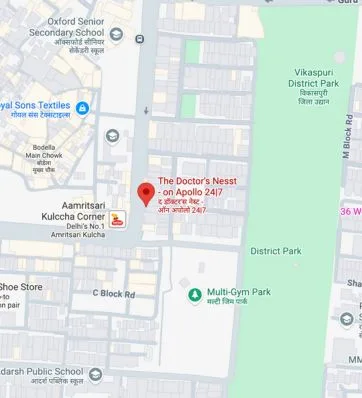
The Doctor's Nesst on Apollo
24/7
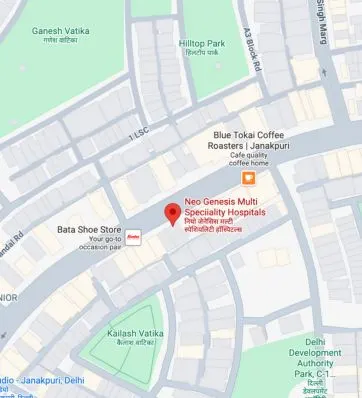
Neo Genesis Multi Speciiality
Hospitals

We provide compassionate and comprehensive women’s healthcare, offering gynaecology, obstetrics, fertility guidance, and preventive care to support you at every stage of life.


© Remedo 2025 | Dr. Parul Sharma | All Rights Reserved | Digital Marketing by Remedo