
Infertility affects millions of couples worldwide, making it a deeply personal and sometimes frustrating challenge. Understanding the causes of male and female infertility can help couples take the right steps toward parenthood. While infertility was once largely attributed to women, research shows that men and women contribute equally to fertility challenges. By recognizing the factors that affect both genders, couples can explore treatment options and improve their chances of conception.
Causes of Male Infertility
Male infertility is often linked to sperm health, hormonal imbalances, and lifestyle factors. The most common causes include:
- Low Sperm Count: A reduced number of sperm can make fertilization difficult.
- Poor Sperm Motility: Sperm must be able to swim effectively to reach the egg.
- Abnormal Sperm Shape: Irregularly shaped sperm may struggle to fertilize an egg.
- Hormonal Imbalances: Low testosterone or other hormonal issues can affect sperm production.
- Varicocele: Swollen veins in the scrotum can raise testicular temperature, harming sperm quality.
- Lifestyle Factors: Smoking, excessive alcohol consumption, obesity, and stress can contribute to male infertility.
Causes of Female Infertility
Female infertility can be caused by ovulation disorders, structural abnormalities, or hormonal imbalances. Some common causes include:
- Ovulation Disorders: Conditions like polycystic ovary syndrome (PCOS) or premature ovarian failure can prevent ovulation.
- Blocked Fallopian Tubes: Scar tissue from infections, endometriosis, or previous surgeries can obstruct the egg’s path to fertilization.
- Endometriosis: This condition leads to tissue growth outside the uterus, affecting fertility.
- Uterine Fibroids: Non-cancerous growths in the uterus may interfere with implantation.
- Hormonal Imbalances: Problems with hormones like estrogen and progesterone can impact egg quality and ovulation.
- Age: Female fertility declines significantly after the age of 35.
Diagnosing Infertility
Both partners should undergo fertility testing if conception has not occurred after a year of trying (or six months for women over 35). Diagnostic tests may include:
- Semen Analysis: Examining sperm count, motility, and morphology.
- Blood Tests: Checking hormone levels for both men and women.
- Ultrasound or Hysterosalpingography (HSG): Imaging tests to detect uterine or fallopian tube abnormalities.
- Genetic Testing: Identifying inherited conditions that may affect fertility.
Treatment Options
The treatment for infertility depends on the underlying cause. Options include:
- Medications: Fertility drugs can stimulate ovulation in women or improve sperm production in men.
- Lifestyle Changes: Maintaining a healthy weight, reducing stress, and avoiding harmful substances can improve fertility.
- Surgery: Procedures like varicocele repair or removing uterine fibroids may enhance fertility.
- Assisted Reproductive Technologies (ART): Methods like intrauterine insemination (IUI) or in vitro fertilization (IVF) can increase the chances of conception.
Frequently Asked Questions
Q: Is infertility more common in men or women?
A: Infertility affects both genders equally. About 40% of cases are due to male factors, 40% to female factors, and 20% are unexplained.
A: Yes, smoking, excessive alcohol, obesity, and stress can reduce fertility in both men and women.
Q: How long should a couple try to conceive before seeking help?
A: Couples under 35 should try for a year before consulting a doctor. Women over 35 should seek help after six months.
Q: Can diet improve fertility?
A: A balanced diet rich in antioxidants, vitamins, and minerals can support reproductive health.
Q: Are there natural ways to boost fertility?
A: Yes, maintaining a healthy weight, reducing stress, and following a nutritious diet can improve fertility naturally.
Consult Dr. Parul Sharma for Expert Fertility Guidance
Struggling with infertility can be emotionally and physically challenging, but you don't have to face it alone. Dr. Parul Sharma specializes in diagnosing and treating fertility issues in both men and women. With a compassionate approach and the latest medical advancements, she provides personalized solutions to help you achieve your dream of parenthood.
Schedule a consultation with Dr. Parul Sharma today and take the first step toward understanding and overcoming infertility!
Our Locations
Trusted Women’s Health Services at Convenient Locations
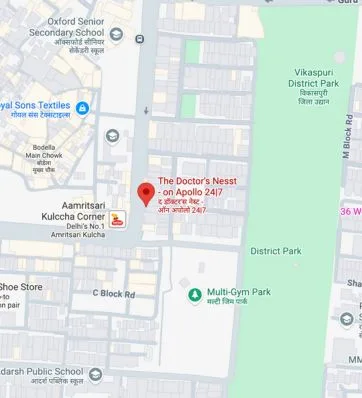
The Doctor's Nesst on Apollo
24/7
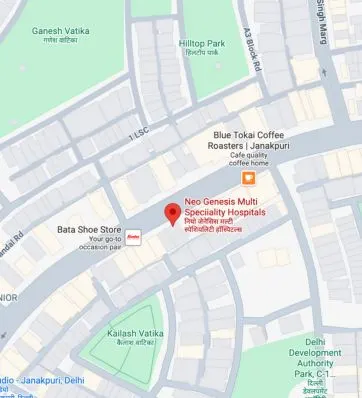
Neo Genesis Multi Speciiality
Hospitals

We provide compassionate and comprehensive women’s healthcare, offering gynaecology, obstetrics, fertility guidance, and preventive care to support you at every stage of life.


© Remedo 2025 | Dr. Parul Sharma | All Rights Reserved | Digital Marketing by Remedo