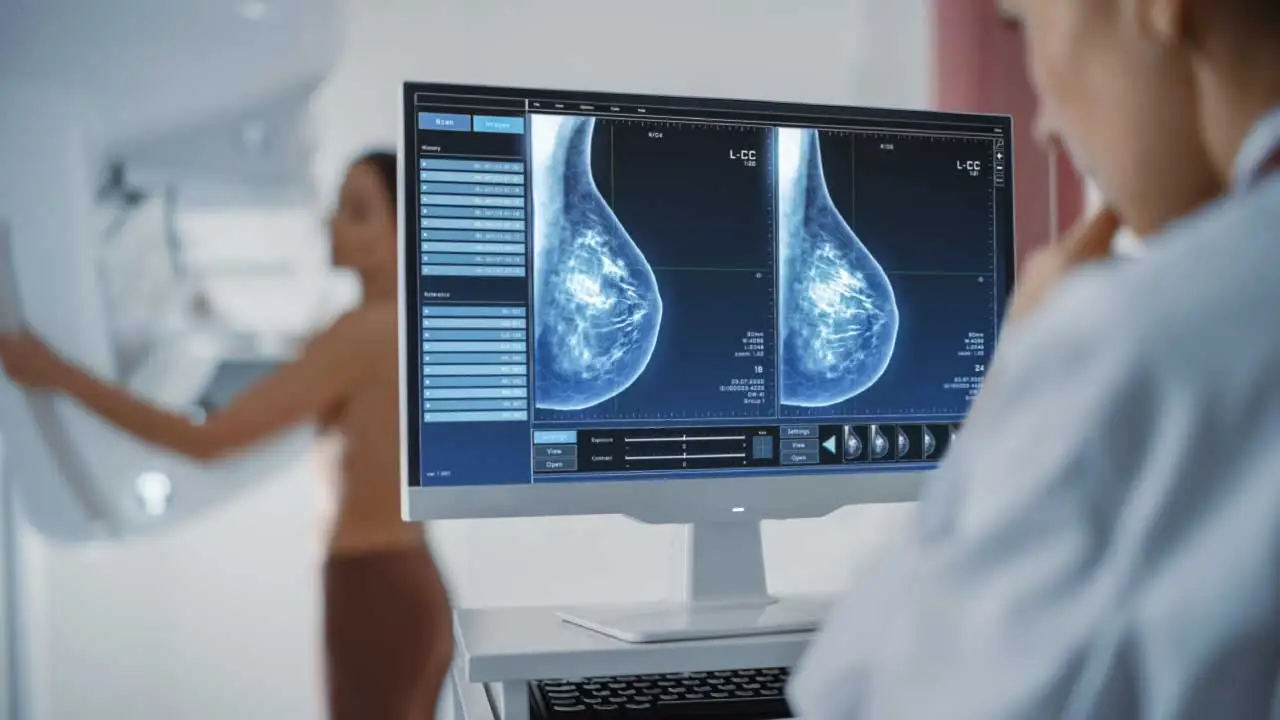
Mammograms are a vital tool in the early detection of breast cancer, offering women a crucial opportunity for timely intervention and treatment. This FAQ blog aims to provide information about mammograms, addressing common questions about their purpose, preparation, procedure, and what to expect.
Q1: What is a Mammogram?
A1: A mammogram is an X-ray specifically designed to visualize the breast tissue. It is used to screen for and diagnose breast cancer. Mammograms can detect breast cancer at an early stage, often before any symptoms appear.
Q2: Why are Mammograms important?
A2: Mammograms are essential for the early detection of breast cancer. Early detection increases the chances of successful treatment and a better prognosis. Regular mammograms are a crucial part of breast cancer prevention and early intervention.
Q3: When should I start getting Mammograms?
A3: Guidelines for the age to start mammograms vary by country and organization. It's generally recommended to start annual mammograms at age 40. However, individual risk factors and family history can influence when to begin screening. It's best to discuss this with your healthcare provider.
Q4: How often should I have a Mammogram?
A4: The frequency of mammograms can vary. Many guidelines recommend annual mammograms, but your Doctor may recommend a different schedule based on your individual risk factors.
Q5: How do I prepare for a Mammogram?
A5: To prepare for a mammogram:
- Avoid using deodorant, powder, or lotion on the day of your exam, as these substances can interfere with the X-ray.
- Wear a two-piece outfit to make it easier to undress from the waist.
- Inform the technician if you are or might be pregnant.
Q6: What happens during a Mammogram?
A6: During a mammogram:
- You will be asked to undress from the waist and wear a gown.
- Your breast will be compressed between two plates on the mammography machine to obtain X-ray images.
- The compression may cause temporary discomfort but is necessary for clear images.
Q7: Are Mammograms painful?
A7: Mammograms can be uncomfortable, as breast compression is necessary for clear images. However, the discomfort is usually brief and well-tolerated by most women.
Q8: How long does a Mammogram take?
A8: A mammogram typically takes about 15 minutes, with the actual imaging process taking only a few seconds per breast.
Q9: What can I expect after a Mammogram?
A9: After a mammogram, you can usually resume your normal activities. The images will be reviewed by a radiologist, and you'll receive your results within a few weeks.
Q10: What if an abnormality is found in my Mammogram?
A10: If an abnormality is detected, further tests, such as additional imaging or a breast biopsy, may be recommended to determine the nature of the abnormality. Many breast abnormalities found on mammograms are non-cancerous, but it's crucial to investigate any concerns.
In conclusion, mammograms are a critical tool in breast cancer screening and early detection. They are essential for women, especially as they age, to monitor their breast health and improve the chances of successful treatment for cancer.
If you have questions or concerns about mammograms, it's always best to consult Dr. Parul Sharma, who can provide guidance tailored to your individual circumstances.
Our Locations
Trusted Women’s Health Services at Convenient Locations
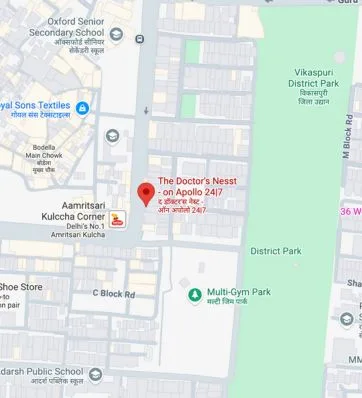
The Doctor's Nesst on Apollo
24/7
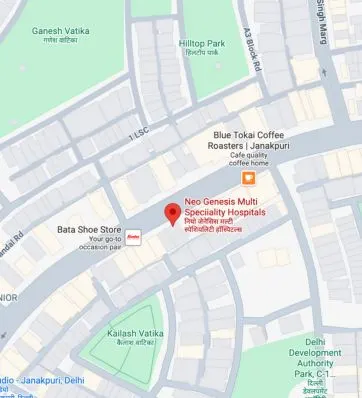
Neo Genesis Multi Speciiality
Hospitals

We provide compassionate and comprehensive women’s healthcare, offering gynaecology, obstetrics, fertility guidance, and preventive care to support you at every stage of life.


© Remedo 2025 | Dr. Parul Sharma | All Rights Reserved | Digital Marketing by Remedo