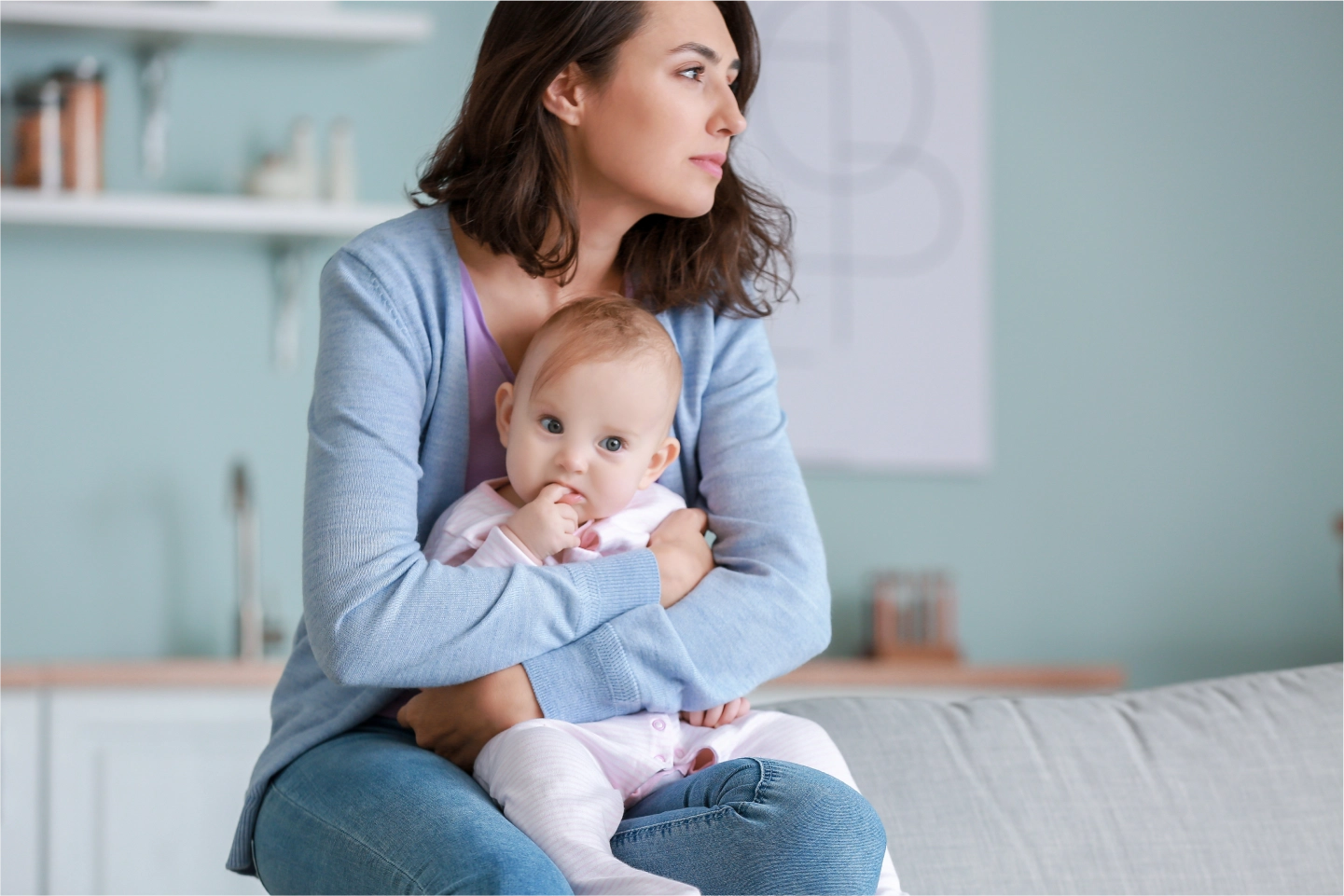
The postpartum period, also known as the "fourth trimester," is a time of immense joy and physical and emotional changes for new mothers. After childbirth, your body undergoes significant adjustments, and it's essential to understand the various postpartum symptoms you might experience. Managing and preventing these symptoms can ensure a smoother recovery and allow you to focus on bonding with your baby.
This guide will discuss common postpartum symptoms and provide tips to help manage and prevent them.
Common Postpartum Symptoms
Physical Recovery from Birth
- Vaginal Soreness: After a vaginal delivery, soreness, swelling, and bruising in the perineal area are common. Healing usually takes a few weeks.
- C-Section Recovery: For those who had a cesarean section, recovery involves managing surgical incision pain and avoiding strenuous activity for several weeks.
- Postpartum Bleeding (Lochia): Vaginal bleeding and discharge, known as lochia, can last for several weeks as the body sheds the uterine lining.
Breast Engorgement and Nipple Pain
- Breast engorgement often occurs when the milk comes in, making breasts feel swollen, firm, and tender. Nipple pain can result from breastfeeding, especially in the early days when the baby is still learning to latch.
Postpartum Fatigue
- Fatigue is a common postpartum symptom due to the physical demands of birth, sleepless nights, and the stress of caring for a newborn. It can take weeks or months to recover energy levels fully.
Postpartum Mood Swings
- Hormonal changes after childbirth can lead to emotional highs and lows, often called the “baby blues.” Some women may also experience postpartum depression, which requires medical attention.
Hair Loss and Skin Changes
- Hormonal shifts after pregnancy may cause hair thinning or shedding. Skin changes such as stretch marks, dryness, or acne can also occur postpartum.
Pelvic Floor Weakness
- Many women experience weakened pelvic muscles postpartum, which may result in urinary incontinence or pelvic discomfort.
Constipation and Hemorrhoids
- Postpartum constipation is expected due to hormonal changes, iron supplements, or the physical stress of delivery. Hemorrhoids can develop from the strain of labor or prolonged pushing.
How to Manage and Prevent Postpartum Symptoms
1. Take Care of Your Body
- Rest and Nutrition: Focus on rest and nutrition to aid recovery. A balanced diet rich in fruits, vegetables, lean proteins, and whole grains provides essential nutrients for healing.
- Stay Hydrated: Drinking plenty of water is crucial, especially if you’re breastfeeding.
- Perineal Care: Use warm sitz baths or cold compresses to ease vaginal discomfort. If you have stitches, keep the area clean and follow your doctor’s advice for wound care.
- C-section recovery: Take pain medications as prescribed, avoid lifting heavy objects, and keep your incision clean and dry.
2. Support Breastfeeding or Pumping
- Breastfeeding Tips: Proper latching technique can help reduce nipple pain. Try warm compresses before breastfeeding to relieve engorgement and cold packs afterward to reduce swelling.
- Pump Regularly: If breastfeeding is challenging, pumping can help prevent engorgement and ensure milk flow. Consult a lactation consultant if needed.
3. Prioritize Rest and Sleep
- Sleep When the Baby Sleeps: While it’s easier said than done, rest during your baby’s nap. Even short naps can help restore energy.
- Delegate Tasks: Don’t hesitate to ask family members or friends to help with household chores so you can focus on recovery and caring for your baby.
4. Address Emotional Well-being
- Stay Connected: Connect with loved ones, friends, or support groups for emotional support during this challenging time.
- Seek Help for Depression: If you experience symptoms of postpartum depression, such as persistent sadness, anxiety, or difficulty bonding with your baby, seek medical help immediately. Treatment may include therapy, medication, or support groups.
5. Pelvic Floor Exercises
- Kegel Exercises: Strengthening your pelvic floor muscles with Kegel exercises can help prevent or treat urinary incontinence. Proper guidance from a physiotherapist or healthcare provider is essential when performing these exercises.
6. Prevent and Manage Hair Loss
- Eat a Balanced Diet: Ensuring you get enough iron, protein, and vitamins can help minimize hair loss. Hair usually regrows naturally over time.
- Gentle Hair Care: Avoid harsh hair treatments, and use a wide-toothed comb to reduce breakage.
7. Alleviate Constipation and Hemorrhoids
- Fiber and Fluids: Increase your intake of fiber-rich foods like fruits, vegetables, and whole grains, and stay hydrated to prevent constipation.
- Hemorrhoid Relief: Sitz baths and over-the-counter creams can help soothe hemorrhoids.
When to Consult a Doctor
While some postpartum symptoms resolve on their own, it’s essential to consult a healthcare provider if you experience the following:
- Excessive or prolonged bleeding
- Persistent pain in the perineal or incision area
- Severe postpartum depression or anxiety
- Difficulty breastfeeding or ongoing breast pain
- Signs of infection, such as fever or discharge from a C-section incision
FAQ: Postpartum Symptom Management
Q: How long does postpartum bleeding last?
A: Postpartum bleeding, or lochia, can last between 4 to 6 weeks, though the flow should gradually reduce over time.
Q: How soon after childbirth can I start exercising?
A: Light exercises, such as walking and pelvic floor exercises, can often start soon after delivery, but always consult your doctor for personalized advice.
Q: What can I do for postpartum mood swings?
A: Postpartum mood swings are common, but maintaining a solid support system, getting rest, and discussing your feelings with a healthcare provider can help. If symptoms worsen or persist, seek help for possible postpartum depression.
Q: How can I reduce postpartum hair loss?
A: Postpartum hair loss is temporary and usually resolves within a few months. A healthy diet, prenatal vitamins, and gentle hair care can support hair health.
Consult Dr. Parul Sharma for Expert Postpartum Care
Postpartum care is essential for a healthy recovery after childbirth. If you’re experiencing postpartum symptoms or need guidance during your recovery, consult Dr. Parul Sharma, an experienced obstetrician and gynecologist. Dr. Sharma provides compassionate, comprehensive postpartum care, supporting physical recovery and emotional well-being.
Our Locations
Trusted Women’s Health Services at Convenient Locations
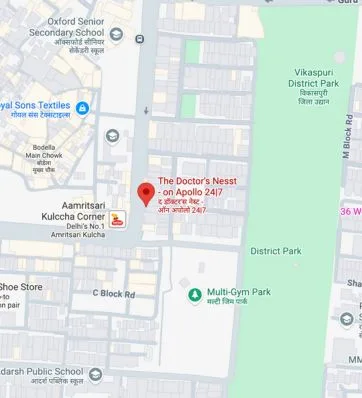
The Doctor's Nesst on Apollo
24/7
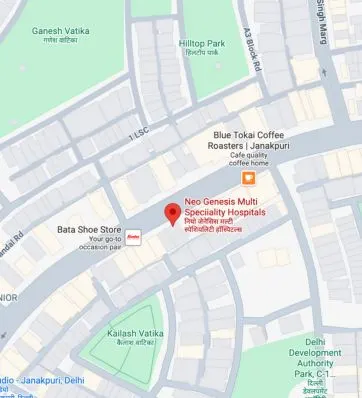
Neo Genesis Multi Speciiality
Hospitals

We provide compassionate and comprehensive women’s healthcare, offering gynaecology, obstetrics, fertility guidance, and preventive care to support you at every stage of life.


© Remedo 2025 | Dr. Parul Sharma | All Rights Reserved | Digital Marketing by Remedo