
For most women, menstruation is simply a monthly occurrence—an inconvenience at best, a painful ordeal at worst. But what many don’t realize is that your period is a powerful indicator of your overall health. From cycle length and flow to symptoms like cramps or fatigue, your period can reveal vital clues about your hormonal balance, reproductive health, and more.
In this blog, we explore how to decode your menstrual cycle, when to worry, and why it’s important to track and talk about it—openly, regularly, and without hesitation.
Why Menstrual Health Deserves More Attention
Your menstrual cycle is more than just bleeding every month. It’s a hormonal symphony that affects everything from your mood and energy levels to your metabolism and fertility. Irregularities in your cycle can signal conditions like PCOS, thyroid imbalances, endometriosis, or even premature menopause.
Ignoring these signs—or accepting them as “normal”—can delay diagnosis and treatment, leading to unnecessary discomfort and long-term complications. That’s why understanding your period is one of the best things you can do for your health.
What Does a “Normal” Period Look Like?
“Normal” is relative, but in general, a healthy menstrual cycle should fall within these ranges:
- Cycle length: 21 to 35 days (from the first day of one period to the next)
- Bleeding duration: 2 to 7 days
- Blood color: Bright to dark red is normal; very light or very dark may signal an issue
- Flow volume: Total blood loss should be about 30–80 ml (2–6 tablespoons)
- Symptoms: Mild cramps, mood changes, and bloating are common
What’s most important is consistency. If your cycle is usually 28 days and suddenly becomes 40, or your flow changes significantly, that’s worth discussing with a gynaecologist.
Common Menstrual Irregularities and What They Mean
1. Irregular Periods
- Possible causes: PCOS, thyroid issues, extreme stress, weight fluctuations, or perimenopause
- What to do: Track your cycle. If irregularities persist for more than 3 months, seek evaluation.
2. Heavy Periods (Menorrhagia)
- Signs: Soaking through a pad/tampon every 1–2 hours, passing large clots, fatigue from blood loss
- Possible causes: Uterine fibroids, polyps, hormonal imbalance, clotting disorders
- What to do: A gynaecologist can assess the cause through ultrasound and blood work.
3. Painful Periods (Dysmenorrhea)
- Mild pain is expected—but if it affects your daily life, it's not normal.
- Possible causes: Endometriosis, fibroids, adenomyosis, pelvic inflammatory disease
- What to do: Don’t just pop a painkiller every month. Persistent or worsening pain needs proper diagnosis.
4. Missed Periods (Amenorrhea)
- Causes: Pregnancy, PCOS, excessive exercise, eating disorders, stress, menopause
- What to do: If you’re not pregnant and miss more than two cycles, it’s time to consult a doctor.
5. Spotting Between Periods
- Could indicate hormonal shifts, ovulation, infections, or more serious issues like cervical polyps or cancer.
- If it happens frequently, especially after intercourse, it should not be ignored.
Factors That Can Disrupt Your Cycle
- Stress: Cortisol can suppress reproductive hormones
- Weight gain/loss: Both extremes can throw off ovulation
- Travel or sleep disturbances: Jet lag or inconsistent sleep can shift your cycle
- Medications: Hormonal birth control, antidepressants, and others can influence periods
- Underlying conditions: PCOS, thyroid disease, diabetes, and more
Menstrual changes are your body’s way of signaling imbalance—don’t ignore them.
Period Myths: Debunked
Myth 1: “Irregular periods are normal in your 20s.”
Fact: Some variation is okay, but consistent irregularity is not.
Myth 2: “You only need to see a gynaecologist if you’re pregnant.”
Fact: Reproductive health is lifelong. Your cycle is part of that journey.
Myth 3: “Period pain is something you just have to live with.”
Fact: Severe pain is not normal and is often treatable.
The Role of Period Tracking
Tracking your cycle isn't just for planning pregnancy or avoiding it—it helps monitor your health. With apps or even a simple journal, you can log:
- Start and end dates
- Flow volume
- Pain levels
- Mood changes
- Unusual symptoms (spotting, clots, etc.)
Patterns over time can alert you—and your doctor—to problems early.
When to See a Gynaecologist
You should consult a gynaecologist if:
- Your periods are consistently irregular
- You bleed between periods or after sex
- Your period lasts longer than 7 days
- You have very heavy bleeding or large clots
- Pain is intense or unmanageable
- You’ve missed multiple periods without a known cause
- You’re over 16 and haven’t started menstruating yet
Early intervention can help prevent complications, improve comfort, and support fertility if needed.
Hormonal Harmony: Achievable with Care
If you’ve been brushing off your menstrual symptoms or treating them with home remedies alone, it’s time to consider a more informed approach. Through simple lifestyle adjustments, targeted treatments, and ongoing guidance, most menstrual health issues can be managed effectively.
Nutrition, exercise, stress management, and sleep hygiene all play a role in hormonal regulation. In some cases, medications or minimally invasive procedures may be recommended.
The key? A gynaecologist who listens, understands, and tailors care to you.
Final Thoughts
Your period isn’t just a monthly inconvenience—it’s a vital sign. Learning to pay attention to it can unlock valuable insights into your overall health. No concern is too small. No question is silly. Every cycle is a conversation your body is trying to have with you.
Ready to better understand your menstrual health or worried about cycle changes? Book a consultation with Dr. Parul Sharma today.
Our Locations
Trusted Women’s Health Services at Convenient Locations
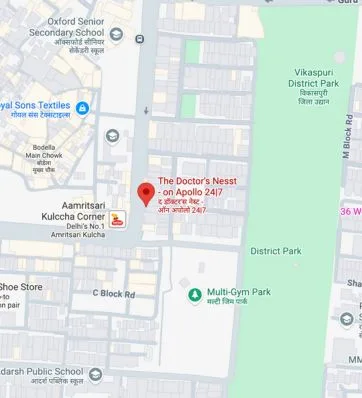
The Doctor's Nesst on Apollo
24/7
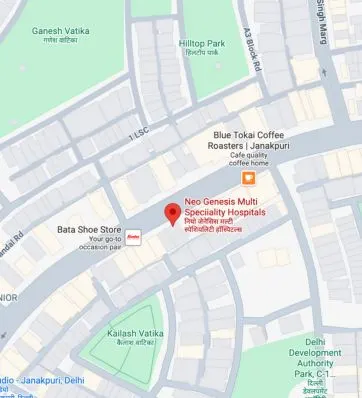
Neo Genesis Multi Speciiality
Hospitals

We provide compassionate and comprehensive women’s healthcare, offering gynaecology, obstetrics, fertility guidance, and preventive care to support you at every stage of life.


© Remedo 2025 | Dr. Parul Sharma | All Rights Reserved | Digital Marketing by Remedo