
Pregnancy is an incredible journey filled with numerous physical and emotional changes. However, it is common for expectant mothers to experience certain health conditions during this period, including anemia Anemia in pregnancy occurs when a woman has lower-than-normal levels of red blood cells or hemoglobin. In this blog, we will explore the causes, symptoms, and treatment options for anemia in pregnancy, empowering you with the knowledge to navigate this condition and ensure a healthy pregnancy.
Causes of Anemia in Pregnancy:
- Iron Deficiency: The most common cause of anemia in pregnancy is a lack of iron. Iron is essential for producing hemoglobin, the protein that carries oxygen throughout the body. During pregnancy, iron requirements increase due to the growth of the fetus and the expansion of the mother's blood volume.
- Folate Deficiency: Folate, or vitamin B9, is crucial for red blood cell production. Inadequate intake of folate-rich foods or insufficient absorption can lead to anemia
- Vitamin B12 Deficiency: Vitamin B12 is essential for forming red blood cells. A deficiency in this vitamin can lead to a type of anemia called megaloblastic anemia
- Chronic Diseases: Certain chronic conditions, such as kidney disease, autoimmune disorders, or gastrointestinal disorders, can contribute to anemia in pregnancy.
Symptoms of Anemia in Pregnancy:
The signs and symptoms of anemia can vary in intensity from mild to severe. If you experience any of the following symptoms, it is essential to consult your healthcare provider for proper diagnosis and treatment:
- Fatigue and weakness
- Shortness of breath
- Pale skin, lips, and nails
- Rapid heartbeat
- Dizziness or fainting
- Difficulty concentrating or mental fogginess
- Cold hands and feet
Treatment and Prevention:
- Prenatal Care: Regular prenatal check-ups are crucial to monitor your overall health and iron levels. Your healthcare provider will likely conduct blood tests to assess hemoglobin levels and diagnose anemia
- Iron and Folate Supplements: If diagnosed with anemia, your healthcare provider may recommend iron and folate supplements to ensure you meet the increased requirements during pregnancy. Taking these supplements as prescribed and maintaining a balanced diet is essential.
- Dietary Changes: Include iron-rich foods, such as lean meats, poultry, fish, leafy green vegetables, legumes, and fortified cereals. Incorporating vitamin C-rich foods (oranges, strawberries, tomatoes) can enhance iron absorption.
- Rest and Self-Care: Pregnancy can be physically demanding, especially with anemia Listen to the body and take breaks when needed. Prioritize sleep and engage in stress-reducing activities to conserve energy.
- Transfusion or Medication: In severe cases of anemia, a blood transfusion may be necessary when other treatments fail. Medications like erythropoietin-stimulating agents may also be used in certain situations.
Conclusion:
Anemia in pregnancy is a common condition that can impact the mother's and baby's health and well-being. Fortunately, anemia can be effectively managed with proper medical care, dietary modifications, and adherence to prenatal guidelines. Regular prenatal check-ups, appropriate supplementation, and a balanced diet rich in iron and folate are essential in promoting a healthy pregnancy.
So if you are seeking specialized care for anemia in pregnancy?
Look no further than Dr. Parul Sharma, an esteemed gynecologist in Delhi.
With her extensive experience and expertise in managing pregnancy-related conditions, including anemia, Dr.Sharma is committed to providing exceptional care to expectant mothers.
Her compassionate approach and the latest advancements in obstetrics and gynecology ensure you receive personalized treatment tailored to your unique needs.
Don't compromise your health or the well-being of your baby.
Our Locations
Trusted Women’s Health Services at Convenient Locations
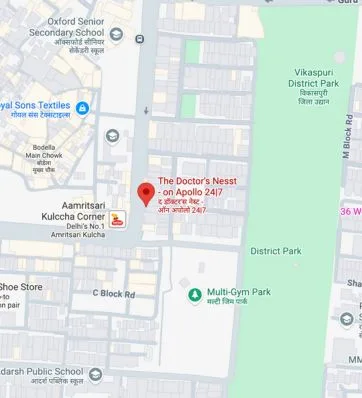
The Doctor's Nesst on Apollo
24/7
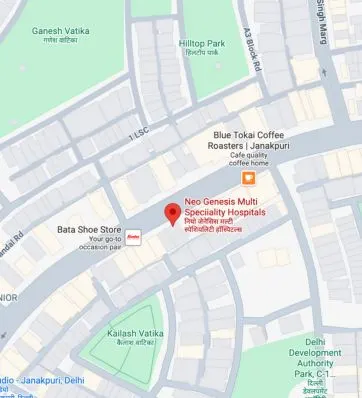
Neo Genesis Multi Speciiality
Hospitals

We provide compassionate and comprehensive women’s healthcare, offering gynaecology, obstetrics, fertility guidance, and preventive care to support you at every stage of life.


© Remedo 2025 | Dr. Parul Sharma | All Rights Reserved | Digital Marketing by Remedo