
Preterm labor, defined as the onset of labor before 37 weeks of pregnancy, is a concern for expectant mothers worldwide. It presents unique challenges and requires prompt medical attention to ensure the best possible outcomes for both mother and baby. In this blog, we'll explore the causes of preterm labor, its signs and symptoms, and when to seek medical assistance from Dr. Parul Sharma, an experienced obstetrician-gynecologist.
Understanding Preterm Labor:
Preterm labor occurs when the uterus begins to contract, and the cervix starts to open earlier than expected, leading to the possibility of preterm birth. It's a complex phenomenon influenced by various factors, and while its exact cause may not always be clear, several risk factors can increase the likelihood of preterm labor:
- Multiple pregnancies: Women carrying twins, triplets, or more have a higher risk of preterm labor due to increased uterine stretching and hormonal changes.
- Infections: Certain infections, such as urinary tract infections and vaginal infections, can trigger inflammation and lead to preterm labor.
- Chronic health conditions: Conditions like high blood pressure, diabetes, and autoimmune disorders may predispose women to preterm labor.
- Uterine or cervical abnormalities: Structural issues with the uterus or cervix, such as cervical insufficiency or uterine fibroids, can contribute to preterm labor.
- Previous preterm birth: Women who have had a preterm birth in the past are at higher risk of experiencing it again in subsequent pregnancies.
- Regular contractions: Contractions that occur every 10 minutes or more frequently.
- Menstrual-like cramps: Persistent abdominal or pelvic pain similar to menstrual cramps.
- Changes in vaginal discharge: Increased vaginal discharge, especially if it's watery or bloody.
- Pressure in the pelvis: Feeling of pressure or heaviness in the pelvis or lower abdomen.
- Backache: Persistent back pain, particularly in the lower back.
- Abdominal tightening: Abdomen feeling stiff or tight, often associated with contractions.
- Regular contractions: Contractions occur every 10 minutes or less, especially if other symptoms like pelvic pressure or vaginal bleeding accompany them.
- Persistent abdominal pain: Severe or persistent abdominal pain that doesn't improve with rest or changes in position.
- Change in vaginal discharge: Watery discharge, bloody discharge, or a sudden increase in vaginal discharge.
- Decreased fetal movement: Noticeably reduced fetal movements or a significant change in fetal activity.
- Leaking fluid: Leakage of amniotic fluid from the vagina, which may indicate a rupture of the membranes.
Signs and Symptoms:
Recognizing the signs and symptoms of preterm labor is crucial for timely intervention. Some common indicators include:
When to Seek Medical Attention:
Prompt medical evaluation is essential if any signs or symptoms of preterm labor are present. Dr. Parul Sharma, a seasoned obstetrician-gynecologist, emphasizes the importance of seeking immediate medical attention if you experience:
Conclusion:
Preterm labor is a serious concern that requires prompt medical attention to minimize the risk of preterm birth and its associated complications. By understanding the causes, recognizing the signs and symptoms, and knowing when to seek medical assistance from Dr. Parul Sharma, expectant mothers can take proactive steps to protect their health and the well-being of their babies. Remember, early intervention is critical to improving outcomes, so don't hesitate to contact your healthcare provider if you have any concerns about preterm labor.
Your health and the health of your baby are our top priorities.
Our Locations
Trusted Women’s Health Services at Convenient Locations
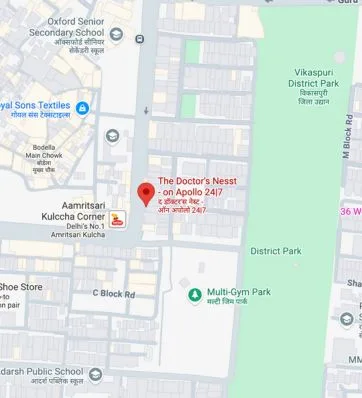
The Doctor's Nesst on Apollo
24/7
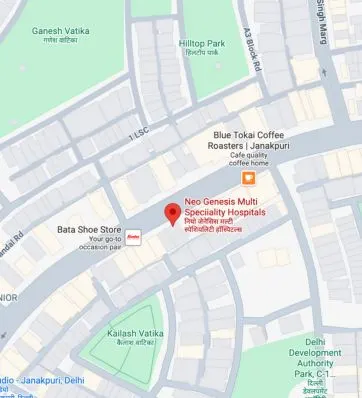
Neo Genesis Multi Speciiality
Hospitals

We provide compassionate and comprehensive women’s healthcare, offering gynaecology, obstetrics, fertility guidance, and preventive care to support you at every stage of life.


© Remedo 2025 | Dr. Parul Sharma | All Rights Reserved | Digital Marketing by Remedo