
For many women, menstrual cramps are a regular part of their monthly cycle. However, when the pain becomes severe, persistent, or interferes with daily activities, it could be a sign of a condition called Dysmenorrhea While dysmenorrhea is common, understanding when it’s a normal part of your cycle and when it might indicate a more serious issue is crucial to managing your health.
What is Dysmenorrhea?
Dysmenorrhea refers to pain associated with menstruation. It is often categorized into two types:
- Primary Dysmenorrhea This is the most common type, typically occurring in younger women or those who have never been pregnant. It’s linked to the natural increase of prostaglandins (hormone-like substances) during menstruation that cause the uterine muscles to contract, leading to pain.
- Secondary Dysmenorrhea This form of pain is usually caused by underlying health issues, such as endometriosis, fibroids, or pelvic inflammatory disease. Unlike primary dysmenorrhea, the pain in secondary dysmenorrhea tends to be more severe and lasts longer.
What Causes Painful Periods?
- Hormonal Imbalances: High levels of prostaglandins can lead to stronger uterine contractions, causing more pain.
- Endometriosis: This condition occurs when tissue similar to the lining of the uterus grows outside the uterus, leading to inflammation and severe pain during menstruation.
- Fibroids: Non-cancerous growths in the uterus can also cause painful periods.
- Pelvic Inflammatory Disease (PID): An infection of the reproductive organs can result in painful menstruation.
- Adenomyosis: When the endometrial tissue grows into the muscular wall of the uterus, it can cause severe menstrual cramps.
- Stress and Lifestyle Factors: Emotional stress, lack of sleep, and poor diet can exacerbate the severity of menstrual cramps.
When to Be Concerned
While mild cramps are often manageable and resolve after a few days, certain symptoms suggest that medical attention may be necessary. You should be concerned if:
- The pain is severe or debilitating: If you find that menstrual cramps prevent you from performing daily tasks or require strong painkillers, it may indicate a more serious underlying issue.
- The pain worsens over time: While cramps are common in younger women, pain that intensifies as you get older or becomes progressively worse should be investigated.
- Irregular bleeding: Heavy bleeding, irregular cycles, or spotting between periods can be signs of conditions like fibroids or endometriosis.
- Pain that lasts longer than usual: Menstrual cramps typically last 1-3 days. If the pain lasts longer or is particularly severe, it may indicate a condition like adenomyosis.
- Pain accompanied by other symptoms: If you experience symptoms like nausea, vomiting, diarrhea, or fever along with painful periods, it could be a sign of infection or another serious health condition.
Managing and Treating Dysmenorrhea
- Over-the-Counter Pain Relief: Nonsteroidal anti-inflammatory drugs (NSAIDs), such as ibuprofen, can help reduce inflammation and alleviate menstrual cramps.
- Hormonal Birth Control: Birth control methods that regulate hormones, like the pill, patch, or IUD, can help manage pain by reducing prostaglandin production.
- Heat Therapy: Applying a heating pad to the lower abdomen can provide relief by relaxing the uterine muscles.
- Exercise: Light physical activity can help improve blood circulation and reduce pain.
- Diet and Supplements: Some women find relief from consuming anti-inflammatory foods like omega-3 fatty acids and magnesium, which may help reduce cramping.
- Medical Treatment: If the pain is due to underlying conditions like endometriosis or fibroids, more specific treatments like surgery or hormone therapy may be necessary.
Frequently Asked Questions
Q: Can dysmenorrhea be treated naturally?
A: Yes, certain lifestyle changes, such as exercising, using heat pads, and adjusting your diet, can help manage mild to moderate menstrual cramps. However, for severe cases, medical treatment may be necessary.
Q: How do I know if my cramps are normal or if I need to see a doctor?
A: If your cramps interfere with your daily life, last longer than usual, or worsen over time, it’s a good idea to consult a healthcare provider.
Q: What are the signs of endometriosis?
A: Signs of endometriosis include severe pelvic pain, pain during intercourse, heavy menstrual bleeding, and difficulty conceiving.Q: Are there any home remedies that can ease menstrual cramps?
A: Yes, remedies such as using heat pads, drinking herbal teas (e.g., chamomile), and taking magnesium supplements may help alleviate cramps.
Q: When should I consider hormonal birth control for pain relief?
A: If your pain is due to hormonal imbalances or conditions like endometriosis, your doctor might recommend hormonal birth control methods to help regulate your menstrual cycle and alleviate cramps.Painful periods are common, but that doesn’t mean you have to endure them without support. Recognizing when your cramps are normal and when they may signal a larger health issue is crucial. If you experience debilitating pain, severe cramping, or other concerning symptoms, it's important to seek help from a healthcare professional.
If you're struggling with painful periods or suspect you have a condition like endometriosis or fibroids, consult Dr. Parul Sharma, an experienced specialist in women’s health. Dr. Sharma can help diagnose the root cause of your discomfort and provide effective treatments tailored to your needs, ensuring you find relief and improve your overall health.
Contact Dr. Parul Sharma today and take the first step toward managing your menstrual health and improving your quality of life.
Our Locations
Trusted Women’s Health Services at Convenient Locations
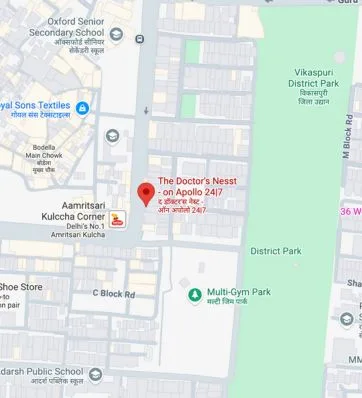
The Doctor's Nesst on Apollo
24/7
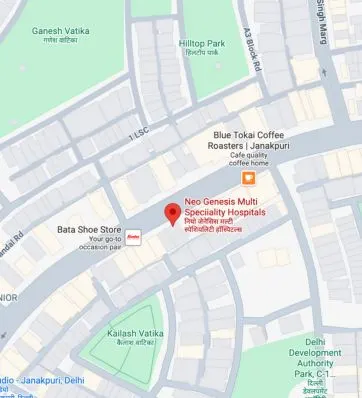
Neo Genesis Multi Speciiality
Hospitals

We provide compassionate and comprehensive women’s healthcare, offering gynaecology, obstetrics, fertility guidance, and preventive care to support you at every stage of life.


© Remedo 2025 | Dr. Parul Sharma | All Rights Reserved | Digital Marketing by Remedo