
A Pap smear, also known as a Pap test, is a routine screening procedure that plays a crucial role in the early detection of cervical cancer. It is an essential test for women's health, helping to identify abnormal cells in the cervix that could potentially develop into cancer. This blog will provide a comprehensive understanding of the Pap smear, its importance, and what to expect during the procedure.
What is a Pap Smear?
A Pap smear is a medical test performed to collect cells from the cervix, which is the lower part of the uterus that opens into the vagina The collected cells are then examined under a microscope to detect any abnormalities that could indicate the presence of precancerous or cancerous conditions.
Why is a Pap Smear Important?
The primary purpose of a Pap smear is to screen for cervical cancer. Early detection of abnormal cells can lead to early treatment, which significantly increases the chances of successful outcomes. A Pap smear can detect infections and inflammation, providing timely medical intervention.
When Should You Get a Pap Smear?
- Age 21-29: Women should start getting Pap smears at age 21 and continue every three years if the results are typical.
- Age 30-65: Women should have a Pap smear combined with an HPV (human papillomavirus) test every five years or a Pap smear alone every three years if the results are typical.
- Age 65 and older: Women who have had regular screenings with expected results may choose to stop Pap smears, but this decision should be made in consultation with their healthcare provider.
How to Prepare for a Pap Smear
- Avoid scheduling the test during your menstrual period, as it can affect the accuracy of the results.
- Refrain from using tampons, vaginal creams, or medications for 48 hours before the test.
- Avoid sexual intercourse for 48 hours before the test.
What to Expect During a Pap Smear
The Pap smear procedure is quick and painless, though some women may experience mild discomfort. Here’s what typically happens during the test:
- Positioning: You will lie on an exam table with your feet in stirrups.
- Speculum Insertion: A speculum is gently inserted into the vagina to widen it and provide a clear view of the cervix.
- Cell Collection: A small brush or spatula collects cells from the cervix.
- Completion: The speculum is removed, and the collected cells are sent to a laboratory for analysis.
Understanding Your Results
- Expected Results: No abnormal cells were found, and you can continue regular screenings as advised by your healthcare provider.
- Abnormal Results: Abnormal cells were detected, but this does not necessarily mean cancer. Your healthcare provider will recommend further tests or follow-up procedures to determine the cause of the abnormality.
Call to Action
Regular Pap smears are vital for maintaining your reproductive health and catching potential issues early. If you are due for a Pap smear or have any concerns about cervical health, it is essential to consult with a qualified healthcare professional.
Dr. Parul Sharma, a renowned Obstetrician and gynecologist in Delhi, offers expert care and comprehensive screening services. Her extensive experience and compassionate approach ensure that her patients receive the best possible care.
Our Locations
Trusted Women’s Health Services at Convenient Locations

The Doctor's Nesst on Apollo
24/7
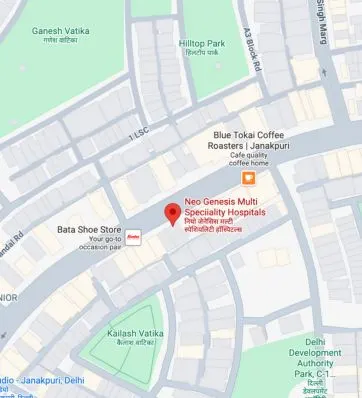
Neo Genesis Multi Speciiality
Hospitals

We provide compassionate and comprehensive women’s healthcare, offering gynaecology, obstetrics, fertility guidance, and preventive care to support you at every stage of life.


© Remedo 2025 | Dr. Parul Sharma | All Rights Reserved | Digital Marketing by Remedo