
Introduction
Perimenopause and menopause are natural phases in a woman’s life that mark the gradual end of reproductive function. Although these terms are often used interchangeably, they represent different stages with distinct clinical features, hormonal patterns, and management needs. Understanding the differences helps women recognize symptoms early, seek appropriate medical advice, and maintain optimal health during midlife.
This transition usually occurs between the ages of 40 and 55, although individual variation is common. Awareness and timely care can significantly improve quality of life during these hormonal changes.
What Is Perimenopause?
Perimenopause refers to the transitional phase before menopause when ovarian hormone production begins to decline. It can last several years and is characterized by fluctuating estrogen levels.
Key Features Of Perimenopause:
- Irregular menstrual cycles
- Changes in flow duration or intensity
- Mood swings and irritability
- Hot flashes or night sweats
- Sleep disturbances
- Reduced fertility, although pregnancy is still possible
This phase indicates that the body is gradually moving toward menopause but ovulation has not completely stopped yet.
What Is Menopause?
Menopause is diagnosed when a woman has not had a menstrual period for 12 consecutive months without any other medical cause. It marks the end of natural reproductive capability.
Common Characteristics Of Menopause:
- Complete cessation of periods
- Persistently low estrogen levels
- Vaginal dryness
- Reduced bone density over time
- Increased risk of cardiovascular disease
- Long-term hormonal stability compared with perimenopause
Menopause is a biological milestone rather than a disease, but it may require medical guidance for symptom control and preventive care.
Clinical Differences Between Perimenopause And Menopause
Hormonal Pattern
Perimenopause: Hormone levels fluctuate widely, leading to irregular symptoms.
Menopause: Hormone levels stabilize at lower levels after ovarian function stops.
Menstrual Changes
Perimenopause: Periods become irregular, heavy, or skipped.
Menopause: Periods stop completely for at least one year.
Fertility Status
Perimenopause: Fertility declines, but pregnancy is still possible.
Menopause: Natural pregnancy is no longer possible.
Symptom Intensity
Perimenopause: Symptoms may come and go due to hormonal fluctuations.
Menopause: Symptoms often stabilize, but long-term health effects become more relevant.
Duration
- Perimenopause: Can last 4 to 10 years.
- Menopause: A permanent stage following menstrual cessation.
Common Symptoms Seen In Both Stages
Although distinct, both stages share several symptoms:
- Hot flashes and night sweats
- Mood changes and anxiety
- Vaginal dryness
- Decreased libido
- Sleep disturbances
- Weight changes
Symptom severity varies among individuals and may require personalized treatment.
Health Implications After Menopause
Postmenopausal women may face an increased risk of certain health conditions due to reduced estrogen levels.
Bone Health
Lower estrogen levels can lead to osteoporosis and increased fracture risk.
Heart Health
Cardiovascular risk rises due to changes in cholesterol levels and metabolism.
Urogenital Health
Vaginal dryness, urinary symptoms, and sexual discomfort are common.
Regular medical check-ups help detect and manage these issues early.
Diagnosis And Evaluation
Doctors typically rely on clinical history and symptom assessment. Additional tests may include:
- Hormone level testing (FSH, estrogen)
- Pelvic examination
- Ultrasound when indicated
- Bone density assessment in selected cases
Accurate diagnosis helps differentiate normal menopausal changes from other medical conditions.
Management And Treatment Options
Lifestyle Measures
- Balanced diet rich in calcium and vitamin D
- Regular exercise and weight management
- Stress reduction techniques
- Adequate sleep hygiene
Medical Treatments
- Hormone replacement therapy (HRT) when appropriate
- Non-hormonal medications for hot flashes
- Vaginal moisturizers or estrogen therapy
- Preventive care for bone and heart health
Treatment should always be individualized after proper medical evaluation.
Why Timely Consultation Matters
Many women ignore symptoms assuming they are a normal part of aging. However, proper evaluation ensures:
- Accurate diagnosis
- Symptom relief
- Prevention of long-term complications
- Improved quality of life
Why Consult Dr. Parul Sharma?
Expertise in comprehensive women’s health care
- Advanced training in gynaec oncology and hormonal health
- Personalized treatment plans based on clinical needs
- Focus on patient education and preventive care
Early consultation can make the transition through perimenopause and menopause smoother and healthier.
FAQs
Q: At What Age Does Perimenopause Usually Start?
A: It typically begins in the early to mid-40s, although it can vary among women.
Q: Can Periods Restart After Menopause?
A: No. Any bleeding after menopause requires medical evaluation.
Q: Is Hormone Therapy Safe?
A:It can be safe for many women when prescribed after proper medical assessment.
Q: Can Lifestyle Changes Reduce Symptoms?
A: Yes. A healthy diet, regular exercise, and stress management can significantly help.
Q: Is Pregnancy Possible During Perimenopause?
A: Yes. Although fertility declines, contraception may still be necessary.
Conclusion
Perimenopause and menopause represent different stages of a natural biological transition. Recognizing their clinical differences helps women manage symptoms better, maintain overall health, and seek timely medical advice. With proper awareness, lifestyle care, and expert medical guidance, this phase can be navigated comfortably and confidently.
Our Locations
Trusted Women’s Health Services at Convenient Locations

The Doctor's Nesst on Apollo
24/7
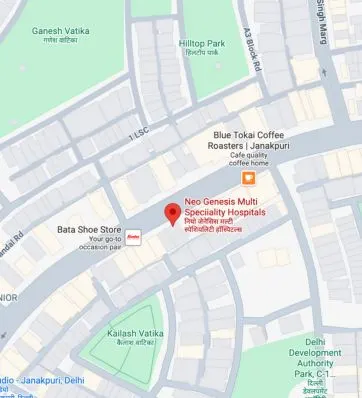
Neo Genesis Multi Speciiality
Hospitals

We provide compassionate and comprehensive women’s healthcare, offering gynaecology, obstetrics, fertility guidance, and preventive care to support you at every stage of life.


© Remedo 2025 | Dr. Parul Sharma | All Rights Reserved | Digital Marketing by Remedo