
Pregnancy begins long before a positive pregnancy test. The health of both partners before conception can significantly influence fertility, pregnancy outcomes, and the baby's development. Preconception care focuses on identifying and addressing factors that may affect pregnancy, helping create the healthiest possible environment for conception and fetal growth.
According to Dr. Parul Sharma, taking steps to optimize health before becoming pregnant can improve the chances of a healthy pregnancy while reducing potential risks for both mother and baby.
What Is Preconception Care?
Preconception care refers to medical, lifestyle, and nutritional measures taken before pregnancy to prepare the body for conception.
The goal is to:
- Improve fertility
- Identify health concerns early
- Reduce pregnancy-related complications
- Support healthy fetal development
- Promote overall maternal well-being
Ideally, preconception planning should begin several months before trying to conceive.
Why Is Preconception Care Important?
Many critical stages of fetal development occur during the earliest weeks of pregnancy, often before a woman realizes she is pregnant.
Proper preparation can help:
- Improve reproductive health
- Reduce the risk of birth defects
- Optimize nutritional status
- Manage existing medical conditions
- Encourage healthy lifestyle habits
A proactive approach can positively influence both short-term and long-term pregnancy outcomes.
Schedule A Preconception Checkup
One of the most important first steps is a consultation with a healthcare provider.
During a preconception visit, your doctor may:
- Review medical history
- Discuss previous pregnancies
- Evaluate medications
- Assess vaccination status
- Identify risk factors
- Recommend necessary investigations
Dr. Parul Sharma emphasizes that personalized preconception counseling allows couples to address concerns before pregnancy occurs.
Optimize Your Nutrition
Good nutrition supports fertility and healthy fetal development.
Focus on:
- Fresh fruits and vegetables
- Whole grains
- Lean proteins
- Healthy fats
- Adequate hydration
Balanced nutrition helps prepare the body for the increased demands of pregnancy.
Start Folic Acid Supplementation
Folic acid is one of the most important nutrients before conception.
Adequate folic acid intake helps reduce the risk of neural tube defects affecting the baby's brain and spinal cord.
Your healthcare provider can recommend the appropriate dosage based on your individual needs.
Achieve A Healthy Weight
Both underweight and overweight individuals may experience fertility challenges and increased pregnancy risks.
Maintaining a healthy weight may help:
- Improve ovulation
- Enhance fertility
- Reduce pregnancy complications
- Support healthy fetal growth
Gradual lifestyle changes are often more effective than rapid weight-loss strategies.
Manage Existing Medical Conditions
Chronic health conditions should be well controlled before conception.
Examples include:
- Diabetes
- High blood pressure
- Thyroid disorders
- Asthma
- Epilepsy
Proper management can help reduce pregnancy-related complications.
Review Current Medications
Some medications may not be suitable during pregnancy.
Before trying to conceive:
- Discuss all prescription medications
- Review over-the-counter drugs
- Mention supplements and herbal products
Never stop medications without consulting your healthcare provider.
Avoid Tobacco, Alcohol, And Recreational Drugs
Lifestyle habits can significantly affect fertility and pregnancy outcomes.
Avoiding harmful substances can help:
- Improve fertility
- Reduce miscarriage risk
- Support fetal development
- Lower the risk of pregnancy complications
Both partners should participate in healthy lifestyle changes whenever possible.
Focus On Mental Health
Emotional well-being is an important aspect of preconception care.
Managing stress, anxiety, and emotional concerns before pregnancy can contribute to a healthier experience.
Helpful strategies include:
- Regular exercise
- Adequate sleep
- Relaxation techniques
- Professional support when needed
- Update Vaccinations
Certain infections during pregnancy can pose risks to both mother and baby.
Your healthcare provider may review immunity and recommend appropriate vaccinations before conception.
Vaccination planning is ideally completed before pregnancy begins.
Improve Sleep And Physical Activity
Healthy lifestyle habits support reproductive health.
Aim for:
- Consistent sleep patterns
- Regular physical activity
- Stress management
- Balanced daily routines
These habits contribute to overall wellness and fertility.
Don't Forget Male Fertility Health
Preconception care is important for men as well.
Male reproductive health can be influenced by:
- Smoking
- Alcohol use
- Obesity
- Poor nutrition
- Chronic medical conditions
Healthy lifestyle choices can improve sperm quality and support conception.
When Should You Start Preconception Care?
Ideally, preconception care should begin at least three to six months before attempting pregnancy.
This allows sufficient time to:
- Address medical concerns
- Improve nutrition
- Optimize medications
- Develop healthy habits
Earlier preparation often leads to better outcomes.
Common Tests During Preconception Evaluation
Depending on individual circumstances, your doctor may recommend:
- Blood tests
- Thyroid evaluation
- Blood sugar assessment
- Nutritional deficiency screening
- Genetic counseling in selected cases
- Fertility assessment if needed
Testing is tailored to each person's medical history and reproductive goals.
Conclusion
Preconception care is one of the most valuable investments couples can make before starting a family. By optimizing physical health, nutrition, lifestyle habits, and medical conditions before conception, future parents can improve fertility and create the best possible foundation for a healthy pregnancy.
Dr. Parul Sharma believes that thoughtful preparation before pregnancy empowers couples with knowledge, confidence, and the opportunity to support the healthiest possible start for their growing family.
FAQs
Q: What Is Preconception Care?
A: Preconception care involves medical and lifestyle measures taken before pregnancy to improve fertility and support healthy pregnancy outcomes.
Q: How Early Should I Start Preparing For Pregnancy?
A: Ideally, preparation should begin three to six months before trying to conceive.
Q: Why Is Folic Acid Important Before Pregnancy?
A: Folic acid helps reduce the risk of neural tube defects and supports early fetal development.
Q: Can Preconception Care Improve Fertility?
A: Yes. Addressing health concerns, improving nutrition, and adopting healthy habits can support fertility.
Q: Is Preconception Care Only For Women?
A: No. Male health and lifestyle factors also play an important role in successful conception and healthy pregnancy outcomes.
Planning to start your pregnancy journey? Consult Dr. Parul Sharma for comprehensive preconception counseling, fertility guidance, and personalized care to help you prepare for a healthy and successful pregnancy.
Our Locations
Trusted Women’s Health Services at Convenient Locations
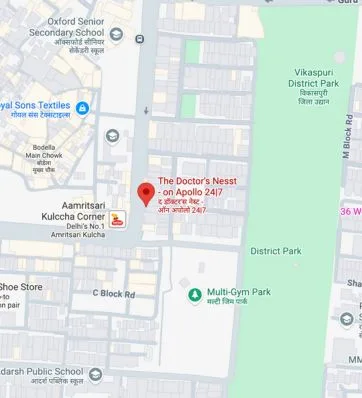
The Doctor's Nesst on Apollo
24/7
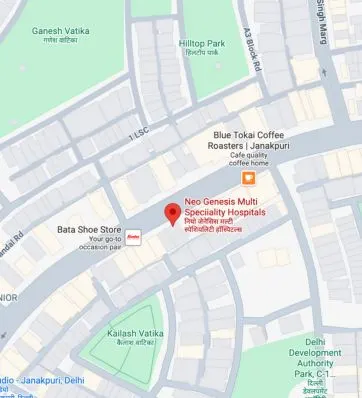
Neo Genesis Multi Speciiality
Hospitals

We provide compassionate and comprehensive women’s healthcare, offering gynaecology, obstetrics, fertility guidance, and preventive care to support you at every stage of life.


© Remedo 2025 | Dr. Parul Sharma | All Rights Reserved | Digital Marketing by Remedo