
Fertility is a topic of significant importance for individuals and couples planning to start a family. While many factors influence fertility, age is one of the most critical and often misunderstood aspects. In this blog, we delve into the complex relationship between age and fertility, exploring how biological factors can affect a person's ability to conceive and the options available for those navigating fertility challenges.
Understanding Fertility Across Ages:
Fertility is not static but instead evolves throughout a person's life. Generally, fertility peaks in the late teens and early twenties, gradually decline in the late twenties and thirties, and significantly decreases after age 35. This decline is primarily due to changes in the quality and quantity of eggs in a woman's ovaries over time.
Women:
For women, age-related fertility decline is primarily driven by the biological clock. Women are born with a finite number of eggs, and as they age, both the quantity and quality of these eggs diminish. This decline in egg quality can lead to difficulties in conceiving naturally and an increased risk of pregnancy complications, such as miscarriage and chromosomal abnormalities.
Men:
While men produce sperm throughout their lives, advanced paternal age can also impact fertility. Research suggests that older men may experience decreases in sperm quality and an increased risk of genetic abnormalities in offspring. Additionally, older fathers may face challenges in achieving conception, although to a lesser extent than women.
Fertility Treatments:
For individuals or couples facing age-related fertility challenges, advancements in reproductive medicine offer various options. These may include assisted reproductive technologies (ART) such as in vitro fertilization (IVF), egg or sperm donation, and gestational surrogacy. However, it's essential to understand that these treatments may be less effective as individuals age, highlighting the importance of seeking guidance from fertility specialists early in the journey.
Fertility Preservation:
Awareness of age-related fertility decline has led many individuals to explore fertility preservation options. Egg freezing, in particular, has become increasingly popular among women who wish to preserve their fertility potential while they are still young and have healthy eggs. Individuals can improve their chances of conceiving later in life by freezing eggs at a younger age.
Educational and Career Considerations:
The decision to start a family is deeply personal and influenced by various factors, including educational and career pursuits. However, individuals need to be aware of the potential impact of delaying childbearing on fertility. While advancements in reproductive medicine offer options for overcoming age-related fertility challenges, they may not guarantee success, and the journey to parenthood may be more complex.
Conclusion:
Age plays a significant role in fertility, affecting men and women differently. Understanding the impact of age on fertility is crucial for individuals and couples planning to start a family, as it can inform decisions about timing and fertility preservation options.
By being proactive and seeking guidance from Dr. Parul Sharma, individuals can empower themselves to make informed choices about their reproductive health and family-building journey.
Our Locations
Trusted Women’s Health Services at Convenient Locations
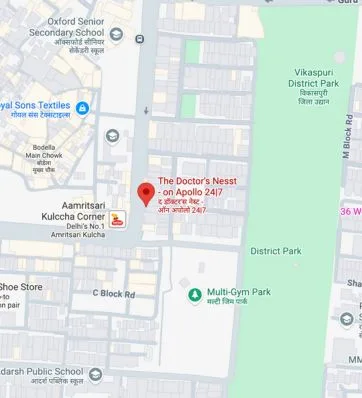
The Doctor's Nesst on Apollo
24/7
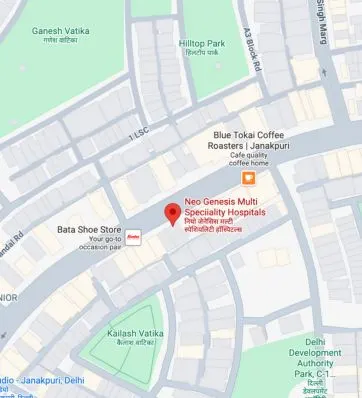
Neo Genesis Multi Speciiality
Hospitals

We provide compassionate and comprehensive women’s healthcare, offering gynaecology, obstetrics, fertility guidance, and preventive care to support you at every stage of life.


© Remedo 2025 | Dr. Parul Sharma | All Rights Reserved | Digital Marketing by Remedo