
In-vitro fertilization (IVF) has given hope to millions of couples struggling with infertility. However, despite its widespread use, many misconceptions persist, leading to unnecessary fears and unrealistic expectations. Understanding the truth about IVF, its success rates, and common myths can help individuals make informed decisions about their fertility journey.
What is IVF?
IVF is an assisted reproductive technology (ART) where an egg is fertilized by sperm outside the body in a laboratory setting. The fertilized embryo is then transferred into the uterus, where it can implant and develop into a pregnancy. IVF is commonly used for infertility due to factors like blocked fallopian tubes, low sperm count, endometriosis, or unexplained fertility issues.
Understanding IVF Success Rates
Success rates for IVF vary based on several factors, including age, underlying medical conditions, and lifestyle choices. According to medical research:
- Women under 35 have a success rate of 40-50% per cycle.
- For women aged 35-40, the success rate drops to 20-30% per cycle.
- Women over 40 may have success rates as low as 5-10% per cycle, though egg donation can improve these odds.
It's essential to consult a fertility specialist to understand your individual chances of success and explore potential treatment options to maximize results.
Common Misconceptions About IVF
1. IVF Always Works on the First Try
Many people believe IVF guarantees pregnancy in one cycle. However, success often requires multiple cycles. Factors like embryo quality, uterine receptivity, and overall health influence the outcome.
2. IVF is Only for Women with Severe Infertility
IVF is not limited to extreme infertility cases. It is also recommended for couples experiencing unexplained infertility, recurrent miscarriages, or genetic conditions that require embryo screening.
3. IVF Babies are Not as Healthy as Natural Conceptions
There is no significant difference in the health of babies conceived through IVF versus natural conception. Advancements in technology ensure the safety and well-being of embryos before implantation.
4. IVF Leads to Multiple Pregnancies Always
While IVF does have a higher chance of twins or triplets, modern techniques like single embryo transfer (SET) have reduced the likelihood of multiple births while maintaining high success rates.
5. IVF is Extremely Painful and Risky
The IVF process involves some discomfort due to hormonal injections and egg retrieval, but advancements in medical protocols have minimized pain and risks. Most women tolerate the procedure well with proper medical guidance.
How to Improve IVF Success Rates
If you're considering IVF, certain lifestyle and medical adjustments can improve your chances:
- Maintain a Healthy Diet: A balanced diet rich in antioxidants, vitamins, and minerals supports egg and sperm health.
- Manage Stress: High stress levels can negatively impact fertility. Yoga, meditation, and counseling may help.
- Avoid Smoking and Alcohol: These substances reduce fertility and lower IVF success rates.
- Optimize Weight: Being underweight or overweight can affect hormone levels and pregnancy chances.
- Follow Medical Advice: Your fertility specialist will recommend personalized strategies based on your health condition.
Frequently Asked Questions (FAQs)
Q: How many IVF cycles does it usually take to get pregnant?
A: It varies. Some women conceive on their first attempt, while others require 2-3 cycles. Success rates depend on individual health factors.
Q: Is IVF the only option for infertility?
A: No, IVF is one of many fertility treatments. Alternatives include intrauterine insemination (IUI), fertility medications, and lifestyle modifications.
Q: Can I choose the gender of my baby with IVF?
A: Preimplantation genetic testing (PGT) allows gender selection, but ethical and legal guidelines vary by country.
Q: Does IVF increase the risk of birth defects?
A: The risk of birth defects is similar to natural conception, with no significant increase when performed under professional medical supervision.
Q: What is the cost of IVF?
A: Costs vary depending on the clinic, location, and required treatments. Consulting a specialist can provide a clearer estimate based on individual needs.
Consult Dr. Parul Sharma for Personalized IVF Care
If you're considering IVF or struggling with infertility, Dr. Parul Sharma offers expert guidance and personalized treatment plans to increase your chances of success. With advanced techniques, compassionate care, and a deep understanding of reproductive health, she ensures that every patient receives the best possible support on their fertility journey.
Take the first step toward parenthood today! Schedule a consultation with Dr. Parul Sharma to explore your options and begin your path to a healthy pregnancy.
Our Locations
Trusted Women’s Health Services at Convenient Locations
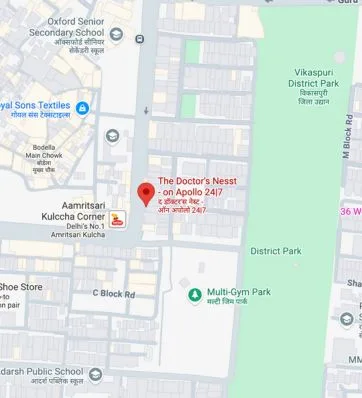
The Doctor's Nesst on Apollo
24/7
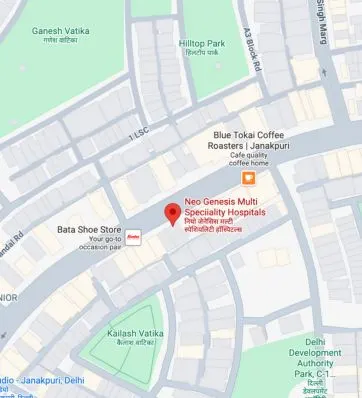
Neo Genesis Multi Speciiality
Hospitals

We provide compassionate and comprehensive women’s healthcare, offering gynaecology, obstetrics, fertility guidance, and preventive care to support you at every stage of life.


© Remedo 2025 | Dr. Parul Sharma | All Rights Reserved | Digital Marketing by Remedo