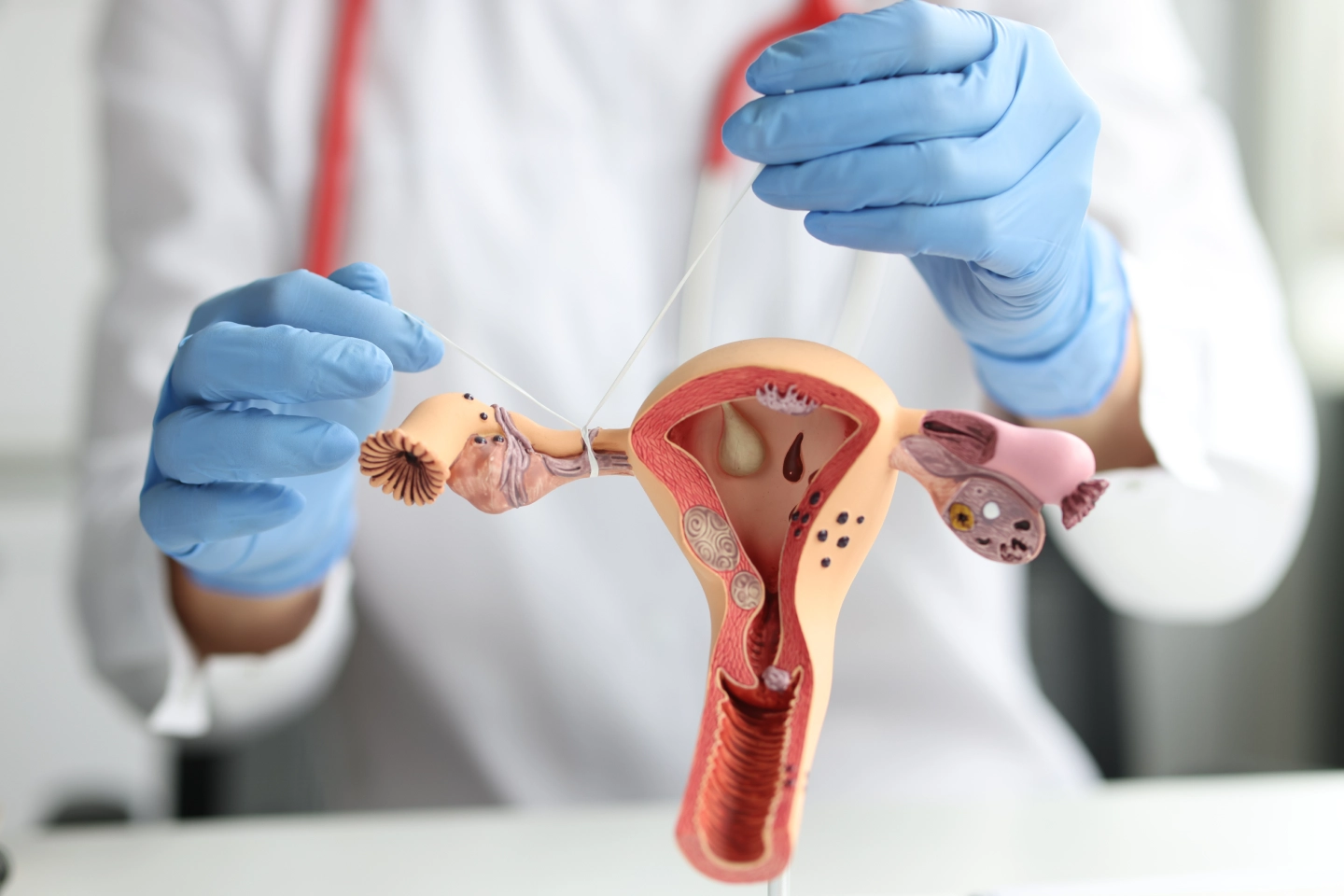
If you're considering permanent contraception or are curious about tubal ligation, you've come to the right place. This FAQ guide aims to provide you with essential information about tubal ligation, its procedure, benefits, considerations, and more.
Q1: What is Tubal Ligation?
Tubal ligation, commonly known as "getting your tubes tied," is a surgical procedure designed to permanently prevent pregnancy. During this procedure, a woman's fallopian tubes are either blocked, cut, or sealed off, which prevents eggs from travelling from the ovaries to the uterus and blocks sperm from reaching the eggs.
Q2: How is Tubal Ligation Performed?
Tubal ligation can be performed through various methods, including:
- Laparoscopy: A small incision is made near the navel, and a thin tube with a camera (laparoscope) is inserted to view the fallopian tubes. The tubes are then sealed, cut, or blocked using clips or rings.
- Mini-Laparotomy: A small incision is made near the pubic hairline, and the tubes are accessed for blocking or sealing.
- Postpartum Tubal Ligation: This can be done after childbirth during a cesarean section or shortly after vaginal delivery.
Q3: Is Tubal Ligation Reversible?
Tubal ligation is considered a permanent form of contraception. While there are procedures to attempt tubal ligation reversal, they are not always successful, and the chances of becoming pregnant after reversal can vary.
Q4: What Are the Benefits of Tubal Ligation?
Tubal ligation offers several benefits:
- Permanent contraception
- No need for daily birth control
- No hormonal side effects
- Can be done as an outpatient procedure
Q5: Are There Any Risks or Side Effects?
Like any surgery, tubal ligation comes with some risks and potential side effects, including infection, bleeding, and damage to surrounding organs. Some women might experience discomfort, and in rare cases, long-term complications.
Q6: Is Tubal Ligation Right for Me?
Tubal ligation is a personal decision. It's suitable for women who are certain they do not want more children. It's essential to consider your age, overall health, and feelings about permanent contraception.
Q7: Does Tubal Ligation Affect Hormones?
Tubal ligation does not affect hormonal balance or the menstrual cycle. It simply prevents eggs from meeting sperm.
Q8: How Effective is Tubal Ligation?
Tubal ligation is highly effective in preventing pregnancy. However, there is a small risk of ectopic pregnancy (pregnancy outside the uterus) even after the procedure.
Q9: How Long is the Recovery Period?
Recovery varies, but many women can return to normal activities within a few days. Full recovery might take up to a week.
Q10: Are There Alternatives to Tubal Ligation?
Yes, there are other methods of contraception, both temporary (like birth control pills, IUDs, condoms) and permanent (like vasectomy for men).
Q11: Can Tubal Ligation Protect Against STIs?
No, tubal ligation does not protect against sexually transmitted infections (STIs). It solely prevents pregnancy.
Remember, every woman's situation is unique. If you're considering tubal ligation, consult with Dr. Parul Sharma to discuss your options, potential risks, and make an informed decision based on your individual needs and preferences.
Our Locations
Trusted Women’s Health Services at Convenient Locations
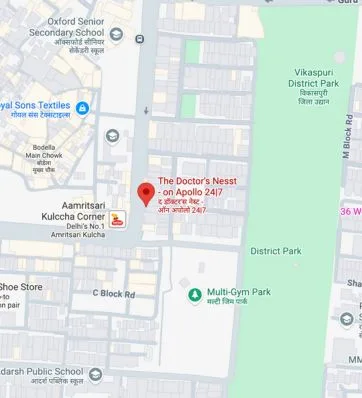
The Doctor's Nesst on Apollo
24/7
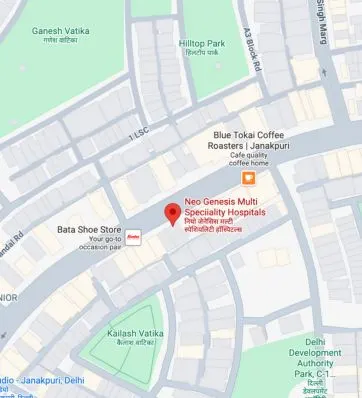
Neo Genesis Multi Speciiality
Hospitals

We provide compassionate and comprehensive women’s healthcare, offering gynaecology, obstetrics, fertility guidance, and preventive care to support you at every stage of life.


© Remedo 2025 | Dr. Parul Sharma | All Rights Reserved | Digital Marketing by Remedo