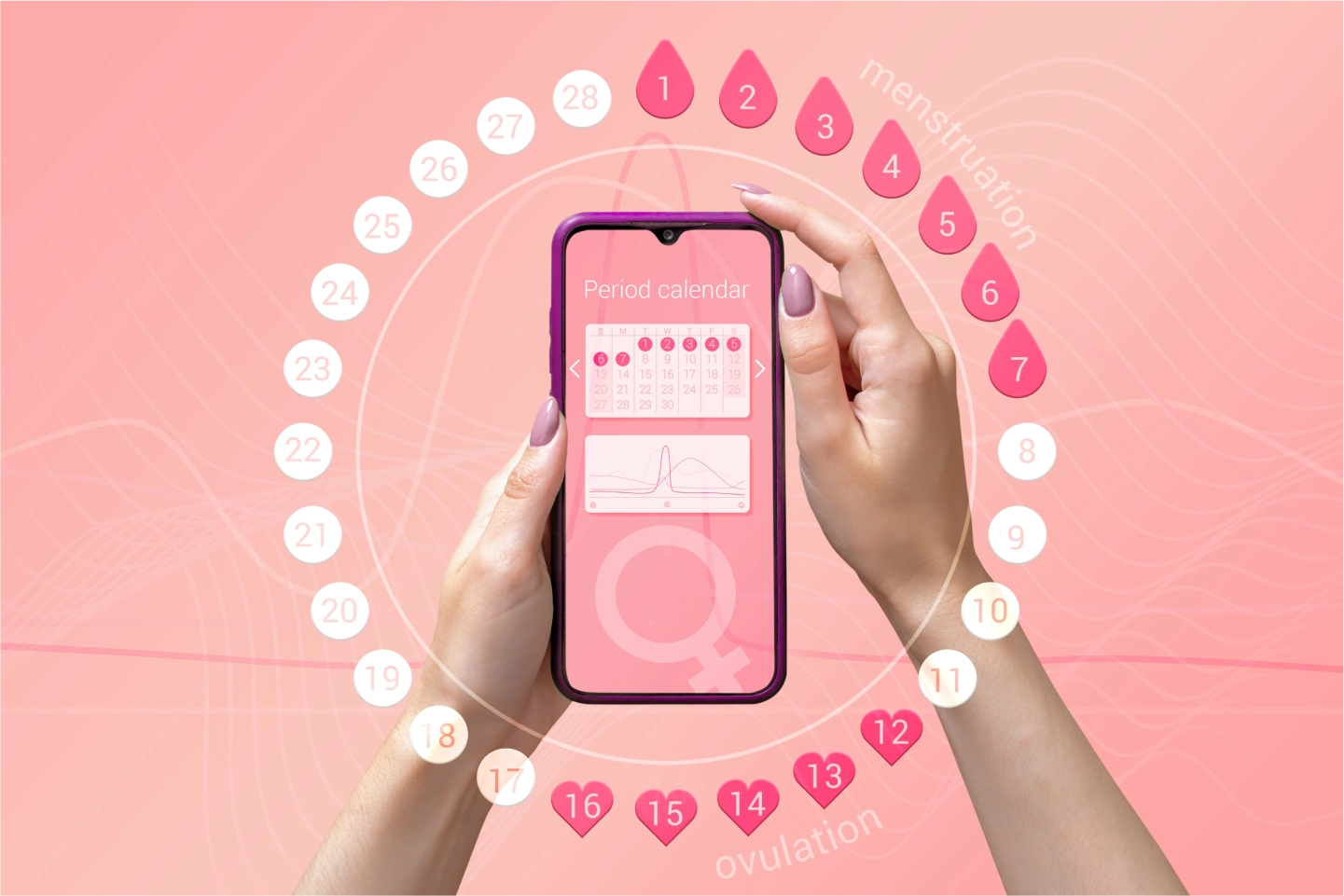
Anovulation, the absence of ovulation, is a common condition that can affect women's fertility and overall reproductive health. Understanding anovulation, its causes, symptoms, and management strategies is crucial for women seeking to conceive or maintain their reproductive health. In this FAQ blog, we’ll answer some of the most frequently asked questions about anovulation.
What is Anovulation?
Anovulation occurs when the ovaries do not release an egg during the menstrual cycle. This can lead to irregular or absent menstrual periods and is often a cause of infertility.
What Causes Anovulation?
Several factors can lead to anovulation, including:
- Hormonal Imbalances: Conditions such as polycystic ovary syndrome (PCOS) or thyroid disorders can disrupt the hormonal signals needed for ovulation.
- Stress: Physical or emotional stress can impact hormonal balance and disrupt ovulation.
- Weight Changes: Significant weight gain or loss can affect hormonal levels and lead to anovulation.
- Age: As women age, particularly after 35, the frequency of ovulation may decrease.
- Certain Medications: Some medications, including hormonal contraceptives, can prevent ovulation.
How Can I Identify Anovulation?
Symptoms of anovulation can vary but may include:
- Irregular menstrual cycles or missed periods
- Light or heavy periods
- Changes in cervical mucus
- Symptoms of low progesterone, such as breast tenderness or mood swings
- Difficulty conceiving after trying for a year (or six months if over 35)
How is Anovulation Diagnosed?
Diagnosis typically involves:
- Menstrual History: A detailed history of menstrual cycles and symptoms.
- Hormone Testing: Blood tests to check hormone levels, including estrogen, progesterone, and thyroid hormones.
- Ultrasound: Imaging tests to examine the ovaries and detect any abnormalities.
- Ovulation Prediction Kits: Home testing kits to track ovulation patterns.
What are the Treatment Options for Anovulation?
Treatment for anovulation depends on the underlying cause and may include:
- Lifestyle Changes: Maintaining a healthy weight, managing stress, and improving diet can help restore ovulation.
- Medications: Hormonal treatments, such as clomiphene citrate or letrozole, can stimulate ovulation. Metformin may also be prescribed for women with PCOS.
- Fertility Treatments: In some cases, assisted reproductive technologies like in vitro fertilization (IVF) may be recommended.
- Addressing Underlying Conditions: Managing thyroid disorders, polycystic ovary syndrome, or other hormonal imbalances can restore ovulation.
Can Anovulation Affect My Overall Health?
Anovulation itself is primarily a reproductive concern; however, it can be associated with other health issues such as obesity, insulin resistance, and metabolic syndrome. Additionally, the lack of regular ovulation can lead to hormonal imbalances that may affect overall well-being.
When Should I See a Doctor?
If you experience irregular menstrual cycles, missed periods, or difficulty conceiving, it's essential to consult a healthcare provider. Early diagnosis and intervention can significantly improve reproductive health and fertility outcomes.
Consult Dr. Parul Sharma for Expert Guidance on Anovulation
If you suspect you are experiencing anovulation or have questions about your reproductive health, consult Dr. Parul Sharma, an experienced obstetrician and gynecologist. Dr. Sharma provides personalized care and treatment options to help you understand and manage anovulation effectively. Don’t let concerns about ovulation delay your journey to motherhood—reach out today for a consultation!
Our Locations
Trusted Women’s Health Services at Convenient Locations
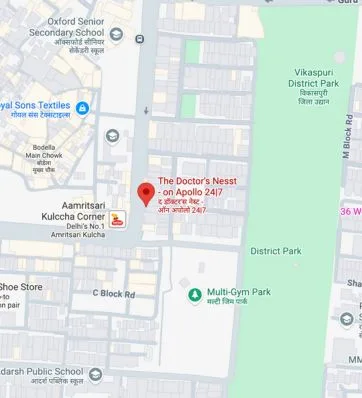
The Doctor's Nesst on Apollo
24/7
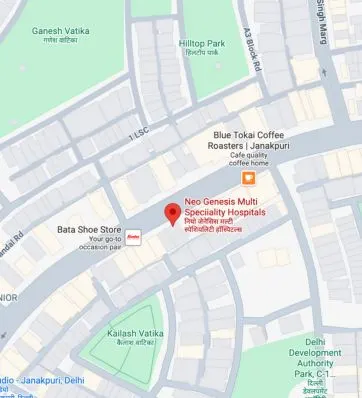
Neo Genesis Multi Speciiality
Hospitals

We provide compassionate and comprehensive women’s healthcare, offering gynaecology, obstetrics, fertility guidance, and preventive care to support you at every stage of life.


© Remedo 2025 | Dr. Parul Sharma | All Rights Reserved | Digital Marketing by Remedo