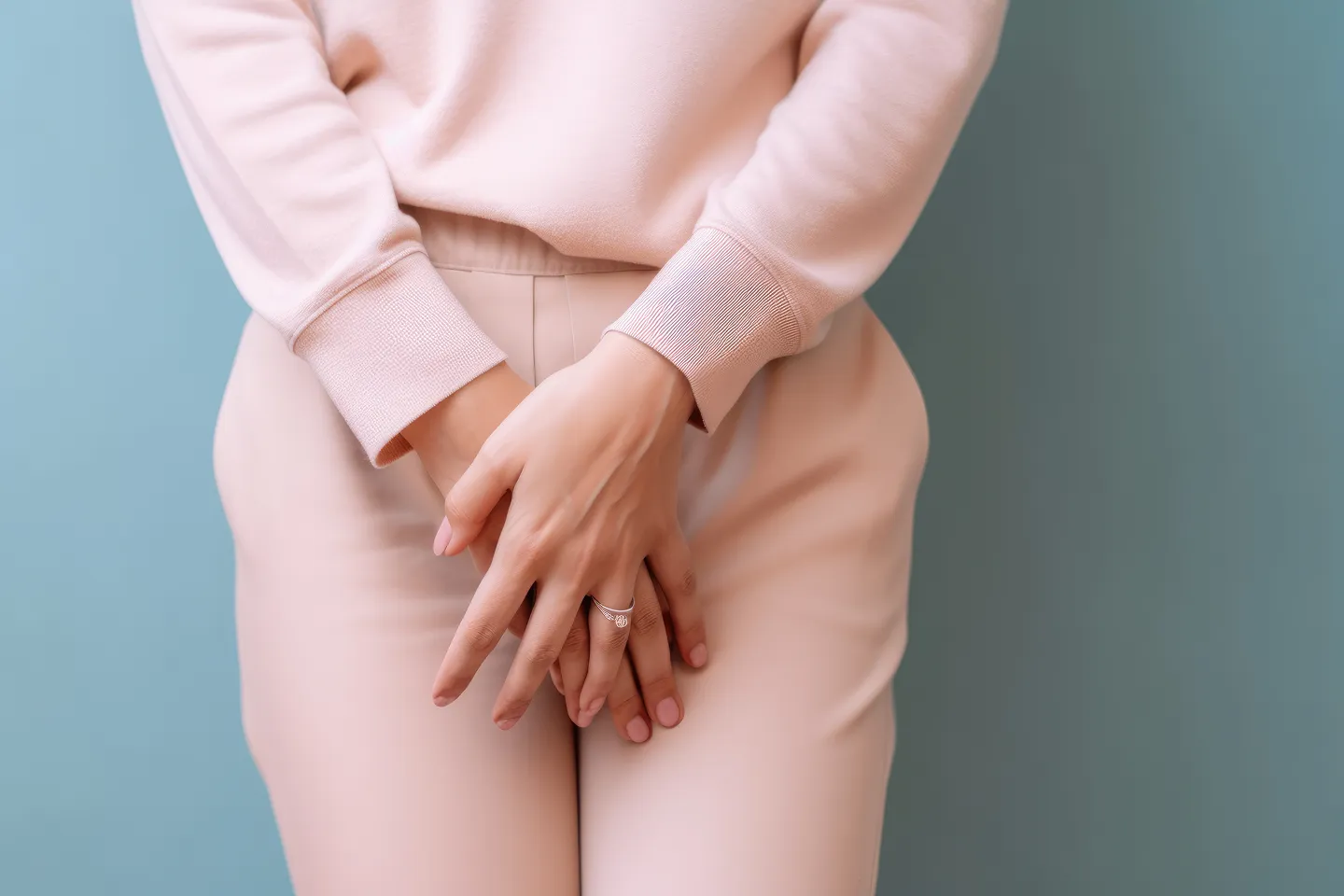
Vaginal dryness is a common but often under-discussed condition that affects women of all ages. Characterized by a lack of natural lubrication, it can lead to discomfort, itching, and even pain during daily activities or intimacy. While it is more prevalent during menopause due to declining estrogen levels, it can occur at any stage of life. The good news is that vaginal dryness is manageable with the right understanding and care.
What Causes Vaginal Dryness?
Several factors contribute to vaginal dryness. Identifying the underlying cause is essential to determine the most effective solution. Here are some of the most common reasons:
- Hormonal Changes: A decrease in estrogen levels during menopause, breastfeeding, or after childbirth can lead to reduced natural lubrication.
- Medications: Certain medications like antihistamines, antidepressants, and hormonal treatments can cause dryness as a side effect.
- Stress: Chronic stress affects the body's hormonal balance, potentially reducing natural lubrication.
- Medical Conditions: Autoimmune disorders like Sjögren's syndrome and other conditions can impact moisture levels in the body.
- Personal Care Products: Harsh soaps, scented products, and douches can irritate the vaginal lining and disrupt its natural pH balance.
Symptoms To Watch For
Vaginal dryness can manifest in various ways. Being aware of the symptoms can help you address the condition early. Common signs include:
- Itching or burning sensations in the vaginal area
- Pain during intercourse.
- A feeling of tightness or discomfort.
- Occasional spotting or light bleeding.
- Recurrent urinary tract infections (UTIs).
If these symptoms persist or worsen, it’s important to consult a healthcare professional.
Effective Ways To Manage Vaginal Dryness
- Hydrate and Maintain a Healthy Diet: Staying hydrated and consuming foods rich in omega-3 fatty acids, such as salmon and walnuts, can help support the body’s natural lubrication processes.
- Use Vaginal Moisturizers: Over-the-counter vaginal moisturizers are effective in providing long-lasting hydration to the vaginal tissues.
- Consider Water-Based Lubricants: For immediate relief, especially during intimacy, opt for water-based lubricants that are free from irritants and fragrances.
- Hormone Replacement Therapy (HRT): For women experiencing menopause-related dryness, low-dose estrogen creams, rings, or tablets may provide targeted relief. Always consult your doctor before starting HRT.
- Avoid Irritants: Switch to mild, unscented personal care products and avoid douches or other chemicals that can disrupt the vaginal environment.
- Pelvic Floor Exercises: Strengthening the pelvic floor muscles can enhance blood flow to the vaginal area, which may improve lubrication over time.
- Manage Stress: Incorporating stress-reducing practices like yoga, meditation, or regular exercise can improve hormonal balance and overall well-being.
When to Seek Medical Advice
While many women find relief through lifestyle changes and over-the-counter products, some may require professional care. You should consult a healthcare provider if:
- Vaginal dryness persists despite trying home remedies.
- There is persistent pain or discomfort during intimacy.
- Symptoms are accompanied by unusual discharge or odor, which could indicate an infection.
Dr. Parul Sharma specializes in women’s health and provides personalized care to address vaginal dryness and its underlying causes. Whether it’s hormonal therapy or advanced treatment options, she ensures every patient receives a solution tailored to their needs.
Frequently Asked Questions About Vaginal Dryness
Q: Is vaginal dryness normal during menopause?
A: Yes, vaginal dryness is a common symptom of menopause caused by declining estrogen levels. However, it is treatable with moisturizers, lubricants, and medical therapies.
Q: Can young women experience vaginal dryness?
A: Absolutely. Factors like stress, certain medications, breastfeeding, and hormonal changes can lead to dryness in younger women as well.
Q: What are natural remedies for vaginal dryness?
A: Drinking plenty of water, maintaining a balanced diet, and using natural oils like coconut oil (if safe for you) can provide some relief. Always consult your doctor before trying natural remedies.
Q: Can vaginal dryness affect intimacy?
A: Yes, dryness can cause discomfort or pain during intimacy. Using lubricants and seeking appropriate treatment can help alleviate these issues.
Q: How long does it take to see improvement after starting treatment?
A: The time frame varies based on the treatment. Some solutions, like lubricants, offer immediate relief, while hormonal therapies may take a few weeks to show results.Take the First Step Toward Comfort
Are you struggling with vaginal dryness and looking for effective solutions? Dr. Parul Sharma is here to help. With years of experience in women’s health, she offers compassionate and comprehensive care tailored to your needs. Whether you’re dealing with menopausal dryness or symptoms caused by other factors, Dr. Sharma will work with you to identify the best course of action. Don’t let vaginal dryness affect your quality of life. Schedule a consultation today to regain comfort and confidence. Call now or book your appointment online!
Our Locations
Trusted Women’s Health Services at Convenient Locations
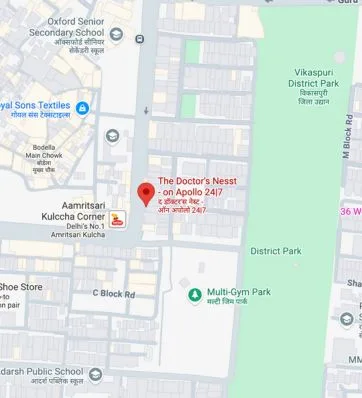
The Doctor's Nesst on Apollo
24/7
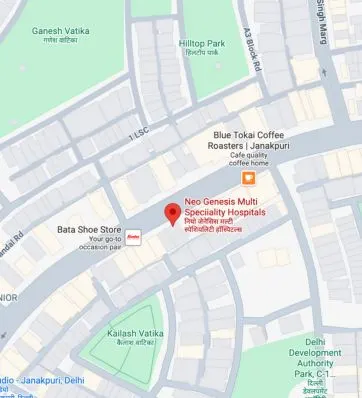
Neo Genesis Multi Speciiality
Hospitals

We provide compassionate and comprehensive women’s healthcare, offering gynaecology, obstetrics, fertility guidance, and preventive care to support you at every stage of life.


© Remedo 2025 | Dr. Parul Sharma | All Rights Reserved | Digital Marketing by Remedo