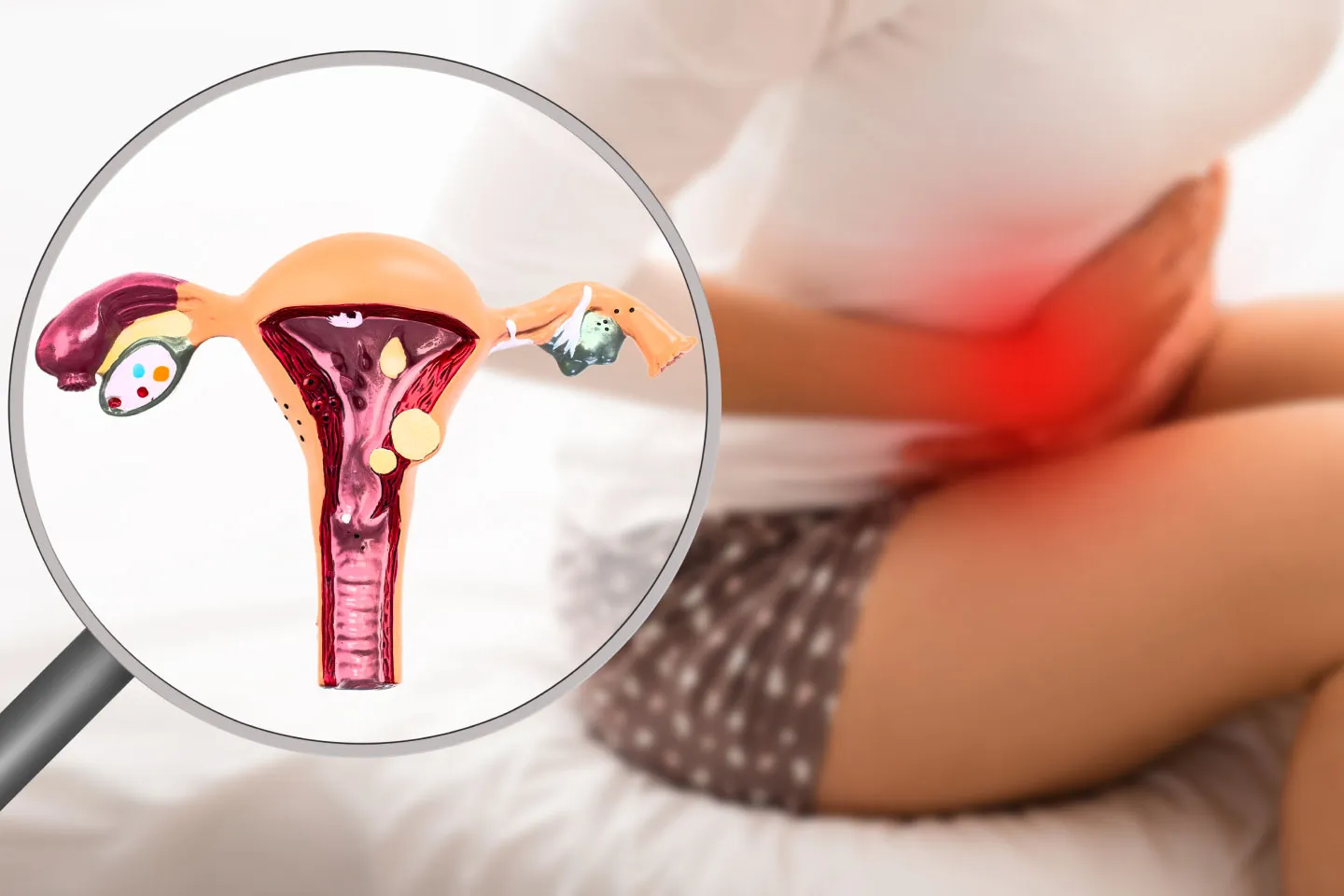
Endometriosis is a chronic and painful condition, that affects millions of women worldwide. It occurs when the tissue similar to the lining of the uterus, called endometrium, grows outside the uterus. This can cause different types of symptoms and complications. In this blog post, we will explore the signs of endometriosis, its causes, its impact on pregnancy and fertility, and available treatment options.
Signs and Symptoms of Endometriosis:
- Pelvic pain: Chronic pelvic pain that may intensify during menstruation is one of the most common symptoms of endometriosis.
- Painful periods: Severe menstrual cramps that are not relieved by over-the-counter pain medication.
- Pain during intercourse: Painful intercourse, especially deep penetration.
- Heavy or irregular menstrual periods: Excessive bleeding or irregular menstrual cycles.
- Gastrointestinal issues: Digestive problems such as bloating, constipation, or diarrhea, particularly during menstruation.
- Fatigue and discomfort: Feeling exhausted, experiencing low energy levels, or having discomfort in the pelvic region.
Endometriosis and Pregnancy:
Endometriosis can have implications for pregnancy. While some women with endometriosis can conceive naturally, others may face challenges. Factors that can affect fertility and pregnancy with endometriosis include:
- Pelvic adhesions: Scar tissue from endometriosis can affect the function of the reproductive organs, making it harder for fertilization to occur.
- Ovarian cysts: Endometriomas, also known as ovarian cysts, can interfere with normal ovulation and fertility.
- Inflammation: The inflammatory environment created by endometriosis can impact the quality of eggs and the implantation process.
Endometriosis Causes:
The exact cause of endometriosis is difficult to determine. However, several theories exist, including:
- Retrograde menstruation: Menstrual blood flows backward through the fallopian tubes into the pelvic cavity, it implants and grows in endometrium.
- Embryonic origin: Endometriosis may result from misplaced embryonic cells that develop into endometrial tissue outside the uterus.
- Immune system dysfunction: Problems with the immune system may allow the growth of endometrial tissue in abnormal locations.
Endometriosis Treatment:
- Pain management: Over-the-counter pain relievers and nonsteroidal anti-inflammatory drugs (NSAIDs) can help manage pain associated with endometriosis.
- Hormonal therapy: Hormonal treatments, such as birth control pills, progestin therapy, or GnRH agonists, can help control the growth of endometrial tissue and reduce pain.
- Surgical intervention: Laparoscopic surgery is often used for the diagnosis and removal of endometriosis implants. In very severe cases, hysterectomy (removal of the uterus) may be recommended.
- Fertility treatments: Assisted reproductive techniques, such as in vitro fertilization (IVF), may be considered for women struggling with infertility due to endometriosis.
Conclusion:
Endometriosis is a complex condition that can significantly impact a woman's quality of life, fertility, and overall well-being. Recognizing the signs and symptoms, understanding the potential effects on pregnancy and fertility, and exploring available treatment options are essential for managing endometriosis effectively. If you suspect you may have endometriosis or need guidance on treatment, consult with our Best Gynaecologist Dr. Parul Sharma in Delhi for an accurate diagnosis and personalized care.
Our Locations
Trusted Women’s Health Services at Convenient Locations
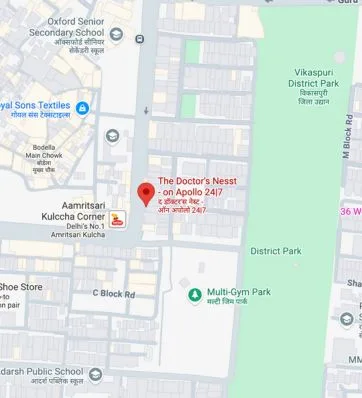
The Doctor's Nesst on Apollo
24/7
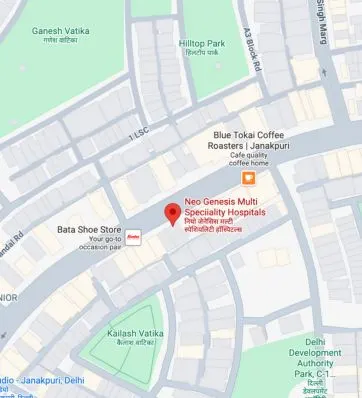
Neo Genesis Multi Speciiality
Hospitals

We provide compassionate and comprehensive women’s healthcare, offering gynaecology, obstetrics, fertility guidance, and preventive care to support you at every stage of life.


© Remedo 2025 | Dr. Parul Sharma | All Rights Reserved | Digital Marketing by Remedo