
HELLP Syndrome is a life-threatening pregnancy complication that can occur during the third trimester or soon after childbirth. It is a variant of preeclampsia and is characterized by Hemolysis, Elevated Liver enzymes, and Low Platelet count. This blog aims to provide a comprehensive understanding of HELLP Syndrome, including its symptoms, diagnosis, management, and debunking common myths.
What is HELLP Syndrome?
HELLP Syndrome is a severe form of preeclampsia that affects the blood and liver. The acronym HELLP stands for:
- Hemolysis (breakdown of red blood cells)
- Elevated Liver enzymes (indicating liver damage)
- Low Platelet count (leading to problems with blood clotting)
Symptoms of HELLP Syndrome
The symptoms of HELLP Syndrome can vary but often include:
- Severe headache
- Nausea and vomiting
- Upper right abdominal pain or tenderness
- Fatigue or malaise
- High blood pressure
- Swelling, particularly in the face and hands
- Vision problems, such as blurred vision or seeing spots
Diagnosis of HELLP Syndrome
Diagnosis of HELLP Syndrome involves several steps:
- Medical History and Physical Examination: Your doctor will review your symptoms and medical history.
- Blood Tests: To check for hemolysis, elevated liver enzymes, and low platelet count.
- Urine Tests: To check for proteinuria, which is common in preeclampsia
Management and Treatment
The primary treatment for HELLP Syndrome is to deliver the baby as soon as it is safe for both mother and child. Additional treatments may include:
- Medications: To manage blood pressure and prevent seizures.
- Corticosteroids: To help mature the baby's lungs if preterm delivery is necessary.
- Blood Transfusions: In cases of severe hemolysis or low platelet count.
- Monitoring: Close monitoring of the mother and baby in a hospital setting
Myths and Facts about HELLP Syndrome
Myth 1: HELLP Syndrome only occurs in women with preeclampsia
Fact: While HELLP Syndrome is related to preeclampsia, it can also occur independently.
Myth 2: HELLP Syndrome can be prevented with a healthy diet and lifestyle.
Fact: There is no known way to prevent HELLP Syndrome. However, regular prenatal care can help in early detection and management.
Myth 3: HELLP Syndrome is always detected early in pregnancy.
Fact: HELLP Syndrome can develop suddenly and progress rapidly, often in the third trimester or after delivery.
Myth 4: HELLP Syndrome is not a serious condition.
Fact: HELLP Syndrome is a severe and potentially life-threatening condition that requires immediate medical attention.
Myth 5: All women with HELLP Syndrome experience the same symptoms.
Fact: Symptoms can vary widely among women, making it important to monitor any unusual changes during pregnancy.
Conclusion
HELLP Syndrome is a serious pregnancy complication that requires prompt diagnosis and treatment to ensure the safety of both the mother and baby. By understanding the symptoms, diagnostic procedures, and management strategies, expectant mothers and healthcare providers can work together to address this condition effectively. Regular prenatal care and awareness are key to early detection and successful outcomes.
Struggling with HELLP Syndrome?
Meet Dr. Parul Sharma, renowned Obstetrician & Gynaecologist, based in Delhi. With expertise in Gynaecologist MBBS, MS, DNB ,Dr. Parul Sharma is your trusted partner for tackling HELLP Syndrome. Take charge of your health today—schedule a consultation for personalized care and expert guidance. Empower yourself with the best in Obstetrician & Gynaecologist care.
Our Locations
Trusted Women’s Health Services at Convenient Locations
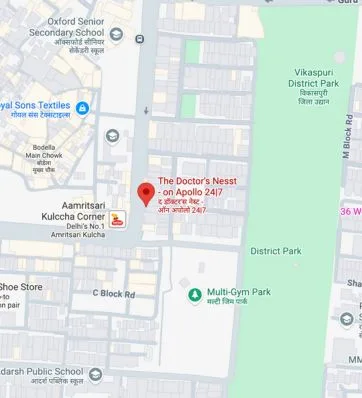
The Doctor's Nesst on Apollo
24/7
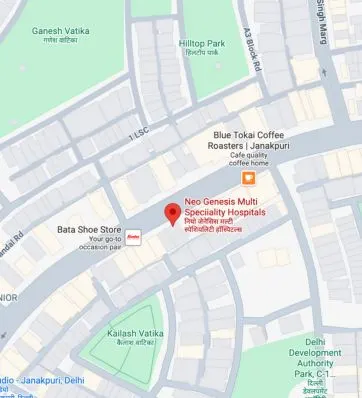
Neo Genesis Multi Speciiality
Hospitals

We provide compassionate and comprehensive women’s healthcare, offering gynaecology, obstetrics, fertility guidance, and preventive care to support you at every stage of life.


© Remedo 2025 | Dr. Parul Sharma | All Rights Reserved | Digital Marketing by Remedo