This FAQ blog aims to provide answers to common questions about menopause to help patients better understand this phase and its effects on their bodies and lives.
What is Menopause?
Menopause is a natural biological process marking the end of a woman's reproductive years. It typically occurs between the ages of 45 and 55, and it is defined as the absence of menstruation for 12 consecutive months.
Are the Stages of Menopause?
Menopause is divided into three stages: perimenopause, menopause, and postmenopause. Perimenopause is the transitional phase leading up to menopause, during which hormone levels fluctuate.
What Are the Common Symptoms of Menopause?
Common menopausal symptoms include hot flashes, night sweats, mood swings, vaginal dryness, and changes in menstrual patterns. However, not all women experience the same symptoms, and their severity can vary.
Is Weight Gain Inevitable During Menopause?
Weight gain can occur during menopause due to hormonal changes, but it is not inevitable. A healthy lifestyle, including a balanced diet and regular exercise, can help manage weight.
Can Menopause Cause Emotional Changes?
Hormonal fluctuations during menopause can lead to mood swings and emotional changes. These are normal, but if they become severe or interfere with daily life, it's essential to seek support from a healthcare provider.
Are There Treatment Options for Menopausal Symptoms?
Treatment options for menopausal symptoms include hormone therapy, lifestyle changes, and non-hormonal medications. The choice of treatment depends on individual circumstances and preferences.
What Is Hormone Replacement Therapy (HRT)?
Hormone replacement therapy (HRT) involves taking hormones (usually estrogen and progesterone) to alleviate menopausal symptoms. It can be administered in various forms, including pills, patches, creams, and vaginal rings.
Are There Risks Associated with HRT?
HRT may have potential risks, including an increased risk of blood clots, breast cancer, and stroke. The decision to use HRT should be made after discussing these risks and benefits with a healthcare provider.
Can Menopause Affect Bone Health?
Yes, menopause can lead to bone loss and an increased risk of osteoporosis. Adequate calcium and vitamin D intake, along with weight-bearing exercise, can help maintain bone health.
Does Menopause Affect Sexual Health?
Menopause can lead to vaginal dryness and changes in sexual desire. However, various treatments, including topical estrogen, can help alleviate these issues and maintain sexual health.
Can I Get Pregnant During Perimenopause?
Yes, it is still possible to become pregnant during perimenopause, although fertility declines. If you do not wish to become pregnant, contraception should still be used until menopause is confirmed.
Is Menopause the Same for Everyone?
No, menopause experiences vary from person to person. Factors such as genetics, lifestyle, and overall health can influence how menopause affects an individual.
How Can I Manage Menopause Effectively?
Effective menopause management involves maintaining a healthy lifestyle, seeking medical advice for symptom relief, and discussing any concerns or questions with a healthcare provider.
Conclusion:
Menopause is a natural phase in a woman's life, and understanding what to expect can help you navigate it with confidence. If you have specific concerns or questions about menopause, consult with Dr. Parul Sharma who can provide personalized guidance and support tailored to your needs. Remember, menopause is a unique journey, and you don't have to face it alone.
Our Locations
Trusted Women’s Health Services at Convenient Locations
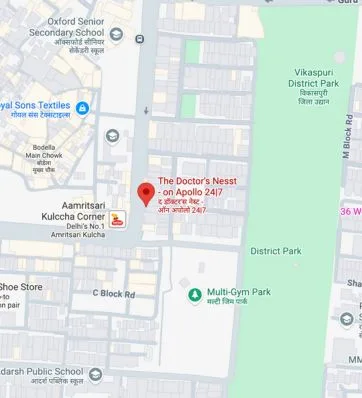
The Doctor's Nesst on Apollo
24/7

Neo Genesis Multi Speciiality
Hospitals

We provide compassionate and comprehensive women’s healthcare, offering gynaecology, obstetrics, fertility guidance, and preventive care to support you at every stage of life.


© Remedo 2025 | Dr. Parul Sharma | All Rights Reserved | Digital Marketing by Remedo