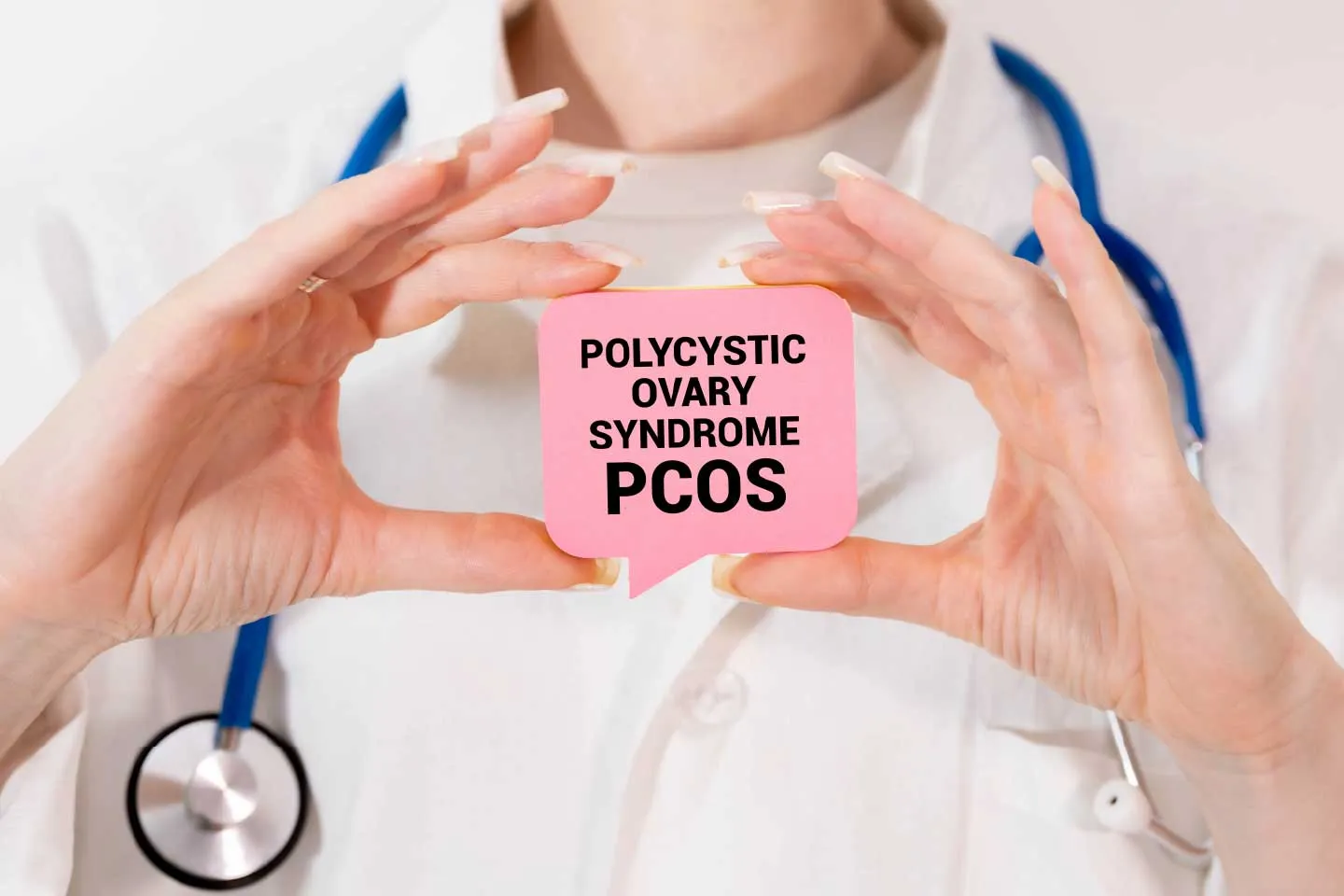
Polycystic Ovary Syndrome (PCOS) is one of the most common hormonal disorders affecting women of reproductive age, yet it remains underdiagnosed and misunderstood. Many women silently experience irregular periods, unexplained weight gain, acne, or excessive facial hair—often dismissing these as routine stress-related issues. However, these could be symptoms of PCOS, a condition that deserves medical attention and holistic care.
In today’s blog, we’ll explore what PCOS is, its symptoms, causes, long-term effects, and how you can manage it effectively. Whether you’ve recently been diagnosed or are just curious, this guide aims to provide clarity and encourage proactive health decisions.
What is PCOS?
Polycystic Ovary Syndrome (PCOS) is a hormonal imbalance where the ovaries produce higher-than-normal levels of androgens (male hormones), leading to irregular ovulation or absence of ovulation. The term "polycystic" refers to the presence of multiple small cysts on the ovaries, which are often detected through an ultrasound, though not every woman with PCOS has cysts.
PCOS is more than just a reproductive issue. It’s a complex metabolic and endocrine condition that can affect many aspects of a woman’s health, from fertility to mental well-being.
Common Symptoms of PCOS
Every woman with PCOS may not experience all the symptoms. Some of the most common signs include:
- Irregular or missed periods
- Excessive hair growth on the face, chest, or back (hirsutism)
- Acne or oily skin, particularly along the jawline
- Thinning hair or hair loss from the scalp
- Weight gain, especially around the abdomen
- Darkened skin around the neck or groin area (acanthosis nigricans)
- Difficulty getting pregnant due to irregular ovulation
Because many of these symptoms overlap with other conditions, women often go years without a proper diagnosis.
What Causes PCOS?
The exact cause of PCOS remains unknown, but several contributing factors have been identified:
- Genetics – If your mother or sister has PCOS, your risk may be higher.
- Insulin resistance – Up to 70% of women with PCOS have insulin resistance, which can lead to higher androgen production.
- Low-grade inflammation – This can stimulate polycystic ovaries to produce androgens.
- Hormonal imbalance – Elevated levels of luteinizing hormone (LH) or androgen can disrupt the menstrual cycle.
PCOS is not caused by lifestyle alone, but unhealthy habits can worsen the condition and its symptoms.
Long-Term Health Risks
PCOS is a lifelong condition, and if left unmanaged, it can increase the risk of:
- Type 2 diabetes
- High blood pressure
- Heart disease
- Endometrial cancer due to unopposed estrogen exposure
- Depression and anxiety
- Sleep apnea
- Infertility or pregnancy complications
Understanding these risks highlights the importance of early detection and long-term management.
Diagnosing PCOS
There’s no single test to confirm PCOS. Diagnosis typically involves:
- Detailed medical history
- Physical examination (including BMI and signs of excess androgen)
- Blood tests to check hormone levels
- Ultrasound to assess ovaries and endometrial lining
To be diagnosed with PCOS, a woman must meet at least two of the following Rotterdam criteria
- Irregular or absent periods
- Excess androgen levels (clinical or biochemical)
- Polycystic ovaries on ultrasound
Your gynaecologist will also rule out other conditions that can mimic PCOS symptoms.
Managing PCOS: A Multi-Faceted Approach
There is no cure for PCOS, but the condition can be managed effectively with a personalised plan. The approach depends on your symptoms and whether you’re trying to conceive.
1. Lifestyle Modifications
- Balanced diet: Focus on whole grains, lean proteins, healthy fats, and plenty of fruits and vegetables.
- Exercise: Regular physical activity helps reduce insulin resistance and improve hormonal balance.
- Weight management: Even a 5-10% reduction in weight can regulate periods and improve fertility.
2. Medications
- Birth control pills: Help regulate periods and reduce androgen-related symptoms.
- Metformin: Commonly prescribed to improve insulin sensitivity.
- Anti-androgens: Reduce acne and excessive hair growth.
- Ovulation-inducing medications: If fertility is a concern, your doctor may suggest Clomiphene Citrate or Letrozole.
3. Fertility Treatments
For women trying to conceive, treatments may include ovulation induction, IUI (Intrauterine Insemination), or IVF (In Vitro Fertilisation), depending on the severity of the condition and other fertility factors.
PCOS and Mental Health
PCOS doesn’t just affect the body—it takes a toll on emotional health too. Hormonal imbalances, physical symptoms like acne or weight gain, and fertility struggles can contribute to anxiety, depression, and body image issues.
Myths About PCOS – Busted
Myth 1: You can't get pregnant if you have PCOS.
Fact: Many women with PCOS conceive naturally or with assistance.
Myth 2: PCOS only affects overweight women.
Fact: Lean women can also have PCOS and face similar health risks.
Myth 3: Irregular periods are normal.
Fact: Frequent irregular cycles warrant evaluation by a gynaecologist.
Myth 4: Once you have PCOS, there's nothing you can do.
Fact: With the right care, symptoms can be managed and risks minimised.
When to See a Gynaecologist
If you’re experiencing symptoms like irregular periods, excessive facial hair, or difficulty getting pregnant, don’t ignore them. Early diagnosis and intervention can prevent complications and improve quality of life.
Even if you're not planning a pregnancy, managing PCOS is essential for your long-term health.
Final Thoughts
PCOS is a complex condition, but with the right knowledge, support, and treatment, women can lead healthy, fulfilling lives. Every woman’s journey is different—and so should be her treatment plan.
Your health matters. Don’t wait for symptoms to worsen. Take the first step toward clarity and control.
Need guidance on managing PCOS or evaluating your symptoms? Schedule a personal consultation with Dr. Parul Sharma today. Your journey to better hormonal health starts with a conversation.
Our Locations
Trusted Women’s Health Services at Convenient Locations
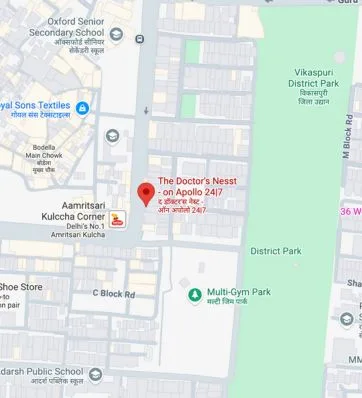
The Doctor's Nesst on Apollo
24/7
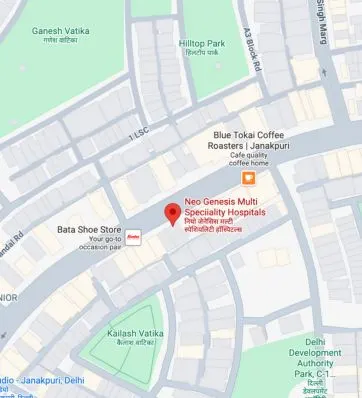
Neo Genesis Multi Speciiality
Hospitals

We provide compassionate and comprehensive women’s healthcare, offering gynaecology, obstetrics, fertility guidance, and preventive care to support you at every stage of life.


© Remedo 2025 | Dr. Parul Sharma | All Rights Reserved | Digital Marketing by Remedo