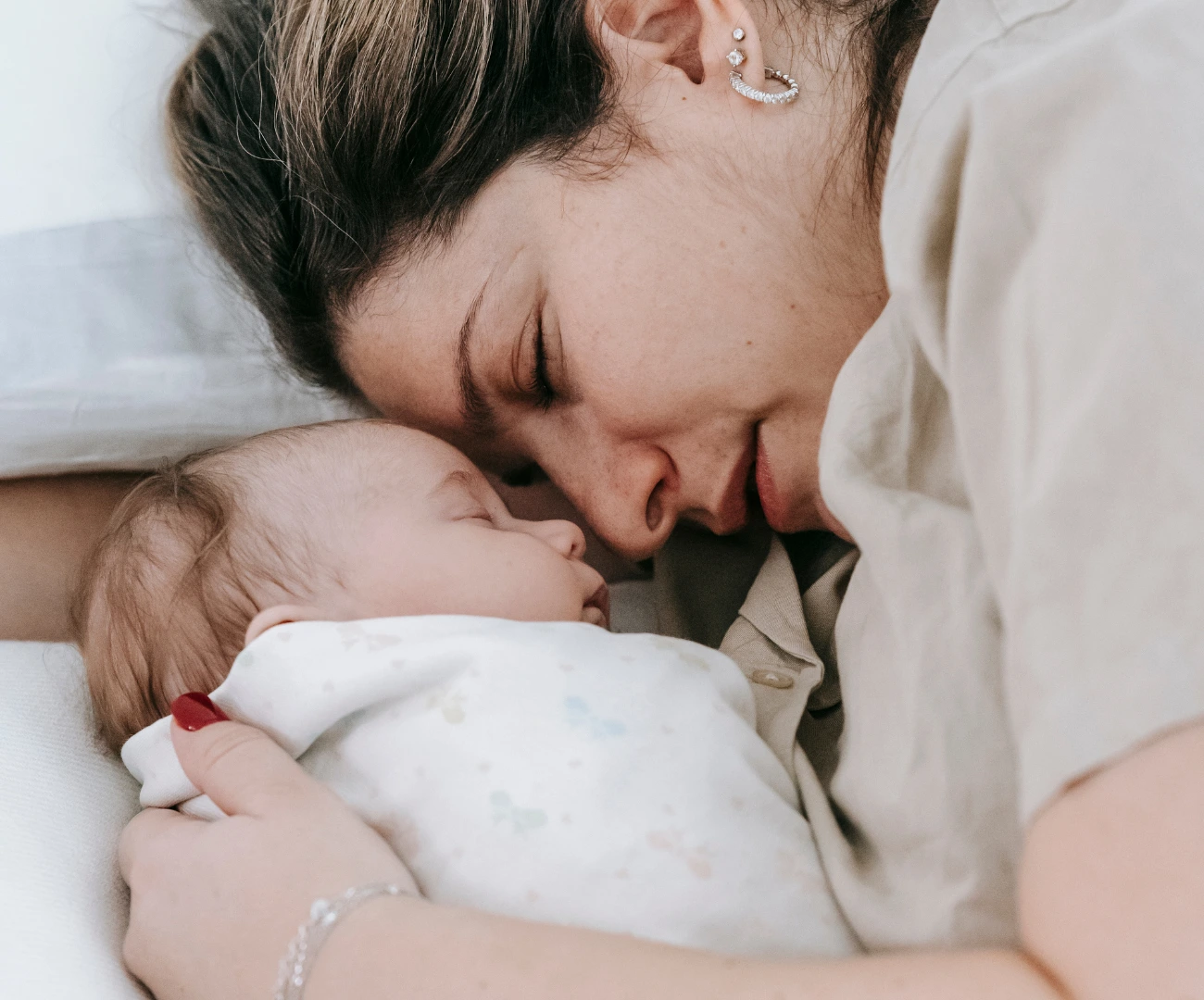
The postpartum period, often referred to as the "fourth trimester," is a time of profound physical and emotional changes for new mothers. While it's a period of joy and bonding with your newborn, it can also bring about various postpartum symptoms. In this blog, we will explore the common physical and emotional symptoms experienced during the postpartum period and provide guidance on how to navigate this transformative time.
1. The Postpartum Experience: What to Expect
- Explain the postpartum period, which begins after childbirth and can last for several weeks or even months.
- Highlight the unique experiences and challenges that new mothers may face.
2. Physical Postpartum Symptoms
- Discuss common physical symptoms, including uterine contractions, vaginal bleeding (lochia), perineal discomfort, and breast engorgement.
- Offer tips on managing and alleviating physical discomfort, such as using pain relief measures and practicing good perineal hygiene.
3. Emotional Postpartum Symptoms
- Address emotional changes that can occur, such as mood swings, baby blues, and postpartum depression (PPD).
- Explain the differences between normal emotional adjustments and more severe conditions like PPD.
- Encourage open communication with healthcare providers and support networks.
4. Fatigue and Sleep Deprivation
- Discuss the challenges of sleep deprivation and its impact on new mothers' physical and emotional well-being.
- Offer strategies for managing fatigue and improving sleep, including nap schedules and sharing caregiving responsibilities.
5. Changes in Body Image
- Explore the body image concerns that can arise postpartum, including weight fluctuations and changes in physical appearance.
- Promote self-acceptance and body positivity, emphasizing that these changes are part of the miraculous journey of motherhood.
6. Hormonal Changes and Hair Loss
- Explain hormonal fluctuations postpartum that can lead to hair loss.
- Offer reassurance that this hair loss is temporary and provide tips for maintaining healthy hair.
7. Perineal Healing and Caring for C-Section Incisions
- Share information on perineal care, especially for those who had vaginal births.
- Explain how to care for incisions if a cesarean section was performed.
- Stress the importance of following healthcare provider recommendations for wound care.
8. Returning to Normal Activities
- Discuss when it's safe to resume physical activity and intimate relations after childbirth.
- Offer guidance on postpartum exercise and the importance of pelvic floor health.
9. Seeking Support and Professional Help
- Emphasize the importance of seeking support from family and friends during the postpartum period.
- Encourage new mothers to reach out to healthcare providers if they experience severe or persistent postpartum symptoms, including those related to mental health.
10. Celebrating the Postpartum Journey
- Highlight the incredible strength and resilience of new mothers as they adapt to their new roles.
- Encourage self-compassion and self-care during this transformative time.
The postpartum period is a unique and beautiful journey that comes with its share of challenges and postpartum symptoms.
It's essential for new mothers to understand that they are not alone in their experiences and that seeking support and care is a sign of strength, not weakness.
Navigating this transformative phase with patience, self-love, and the right support network can lead to a fulfilling and joyful postpartum experience for both mother and baby.
Our Locations
Trusted Women’s Health Services at Convenient Locations
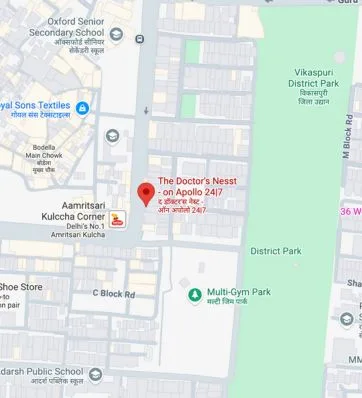
The Doctor's Nesst on Apollo
24/7
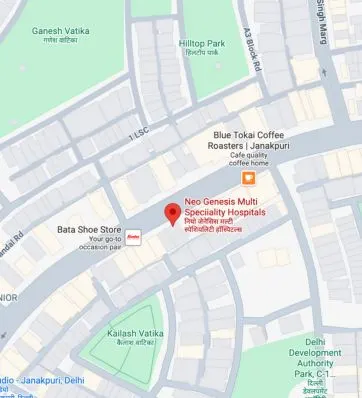
Neo Genesis Multi Speciiality
Hospitals

We provide compassionate and comprehensive women’s healthcare, offering gynaecology, obstetrics, fertility guidance, and preventive care to support you at every stage of life.


© Remedo 2025 | Dr. Parul Sharma | All Rights Reserved | Digital Marketing by Remedo