
We extend a warm welcome to our FAQ blog dedicated to In Vitro Fertilization (IVF)!
Within this article, we aim to address the frequently asked questions regarding IVF that patients often have.
If you are currently contemplating or undergoing IVF, we trust that this information will prove beneficial to you. It is important to acknowledge that although we endeavour to offer precise and current information, it is advisable to seek personalized guidance from your healthcare provider.
Q1: How would you define IVF?
A1: IVF, short for In Vitro Fertilization, refers to a fertility procedure in which an egg and sperm are combined in a laboratory setting. Following fertilization, the resulting embryo(s) are then placed into the uterus with the aim of implantation and potential pregnancy.
Q2: Who is eligible for IVF?
A2: IVF is suitable for couples or individuals facing infertility caused by factors like blocked fallopian tubes, low sperm count, endometriosis, or unexplained reasons. Additionally, it can be considered when other fertility treatments have proven ineffective.
Q3: What are the steps involved in the IVF process?
A3: The IVF process generally involves several steps:
- Ovarian Stimulation: Fertility medications are administered to stimulate multiple mature eggs.
- Egg Retrieval: Eggs are collected from the ovaries via a minor surgical procedure.
- Sperm Collection: A sperm sample is taken from the male partner or a sperm donor.
- Fertilization: The eggs and sperm are combined in a laboratory dish for fertilization. Embryo Culture: The resulting embryos are monitored and cultured in a laboratory for a few days.
- Embryo Transfer: One or more embryos are transferred to the uterus for implantation.
- Pregnancy Test: A blood test is conducted to determine if the IVF cycle has been successful.
Q4: Are there any risks or side effects associated with IVF?
A4: IVF is generally considered safe, but like any medical procedure, it does carry some risks. These can include multiple pregnancies, ovarian hyperstimulation syndrome (OHSS), ectopic pregnancy, or complications from egg retrieval or embryo transfer procedures. Side effects of fertility medications may include bloating, mood swings, or mild discomfort.
Q5: How successful is IVF?
A5: The success rate of IVF can vary depending on several factors, including the age of the woman, the cause of infertility, and the quality of the embryos.
Generally, younger women tend to have higher success rates. It's important to discuss success rates with your healthcare provider, as they can provide a more accurate assessment based on your specific circumstances.
Q6: Are there any lifestyle changes or precautions to take during IVF?
A6: Your healthcare provider will likely provide specific instructions tailored to your situation. Generally, it's recommended to maintain a healthy lifestyle, including a balanced diet, regular exercise, and avoiding smoking, alcohol, and excessive caffeine intake. It's also important to follow the medication schedule and attend all required appointments.
Q7: Are there any alternative or complementary treatments to consider alongside IVF?
A7: Some individuals may choose to explore complementary treatments such as acupuncture, dietary changes, or stress reduction techniques. While there is limited scientific evidence supporting the effectiveness of these treatments, some patients find them helpful. It's essential to discuss any alternative or complementary treatments with your healthcare provider before incorporating them into your IVF journey.
Q8: How much does IVF cost?
A8: The cost of IVF can vary depending on factors such as geographic location, clinic fees, medications, and additional procedures. It's advisable to inquire about the costs upfront and check with your insurance provider to understand what is covered by your plan. Financial assistance programs and fertility clinic financing options may also be available.
Q9: How long does an IVF cycle take?
A9: The duration of an IVF cycle can vary, but typically it takes about four to six weeks from the start of ovarian stimulation to the pregnancy test. However, this timeline can be influenced by individual factors and the specific treatment protocol chosen by your healthcare provider.
We hope this FAQ blog has provided you with helpful information about IVF.
Remember, every individual's fertility journey is unique, and it's crucial to consult with your healthcare provider for personalized advice and guidance throughout the process.
Best of luck on your path to parenthood!
Our Locations
Trusted Women’s Health Services at Convenient Locations
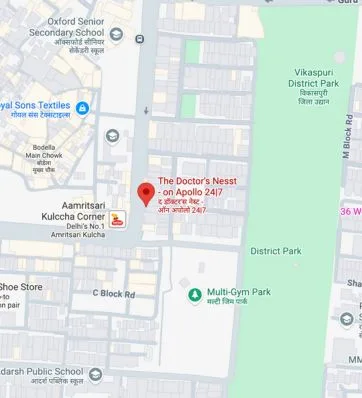
The Doctor's Nesst on Apollo
24/7
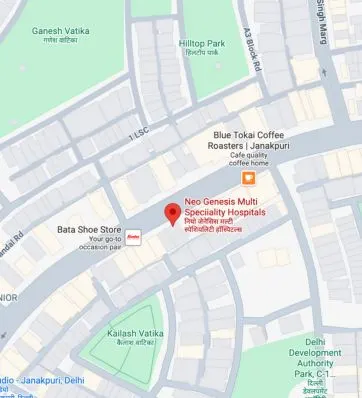
Neo Genesis Multi Speciiality
Hospitals

We provide compassionate and comprehensive women’s healthcare, offering gynaecology, obstetrics, fertility guidance, and preventive care to support you at every stage of life.


© Remedo 2025 | Dr. Parul Sharma | All Rights Reserved | Digital Marketing by Remedo