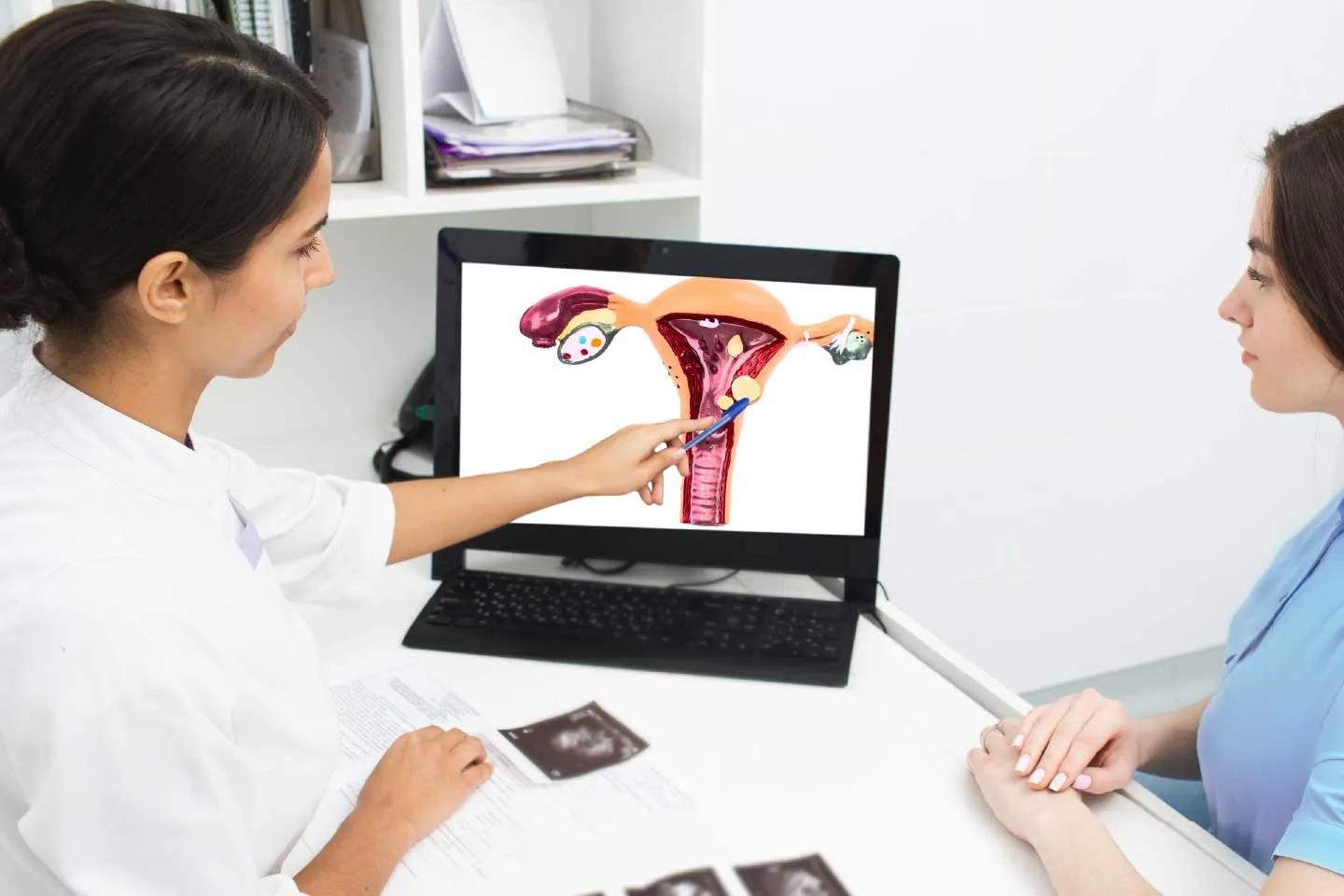
Ovarian cancer, a complex and often misunderstood disease, poses a significant health challenge for women worldwide. Characterized by the uncontrolled growth of abnormal cells in the ovaries or fallopian tubes, ovarian cancer demands a comprehensive understanding to combat its impact effectively. In this extensive guide, we delve into the intricacies of ovarian cancer, exploring its causes, symptoms, diagnosis, treatment options, and preventive measures.
What is ovarian cancer?
Ovarian cancer manifests when irregular cells within the ovaries or fallopian tubes undergo uncontrolled growth and multiplication.
The ovaries, integral components of the female reproductive system, consist of two spherical, walnut-sized organs responsible for egg production throughout a woman's reproductive lifespan.
Signs of ovarian cancer
Ovarian cancer has the propensity to develop and increase within the abdomen stealthily, often without presenting any noticeable symptoms in its early stages. This characteristic poses a challenge to its timely detection. Indications of ovarian cancer may encompass:
- Pelvic or abdominal discomfort, pain, or bloating.
- Alterations in eating patterns, including feeling full quickly or a diminished appetite.
- Vaginal discharge or abnormal bleeding, mainly if it occurs outside of the regular menstrual cycle or post-menopause.
- Digestive irregularities, such as diarrhea or constipation.
- Noticeable abdominal distension or swelling.
- Increased frequency of urination.
If any of these symptoms manifest, it is imperative to promptly schedule a consultation with Dr. Parul Sharma for further evaluation and appropriate management.
What contributes to ovarian cancer?
The precise origins of ovarian cancer remain elusive, although certain factors predispose individuals to its development. Risk factors associated with ovarian cancer include:
- Advancing age, mainly being over 60 years old.
- Obesity has been linked to an increased risk of ovarian cancer.
- A familial history of ovarian cancer, where other members of your biological family have been diagnosed with the disease, or inheritance of genetic mutations such as BRCA1 or BRCA2, or Lynch syndrome.
- Nulliparity, or never having been pregnant, or delaying childbirth until later in life.
- Endometriosis is a condition characterized by the abnormal growth of uterine tissue outside the uterus.
- Aging also correlates with an augmented risk of ovarian cancer.
How does ovarian cancer metastasize?
Ovarian cancer typically metastasizes from the pelvic region to adjacent lymph nodes and then spreads to other vital organs within the abdomen, including the intestines, stomach, chest, or liver. This metastatic dissemination poses significant challenges in managing and treating the disease.
How is ovarian cancer detected?
Despite extensive research efforts, a reliable screening test for ovarian cancer has yet to be developed. Consequently, diagnosing the condition in its early stages remains challenging.
When ovarian cancer is suspected, Dr. Parul Sharma will conduct a thorough assessment, beginning with a pelvic examination. This examination aims to identify any abnormal growths or enlarged organs.
Further diagnostic measures may be recommended, including:
- Imaging Procedures: Dr. Parul Sharmas may utilize several imaging techniques to aid in diagnosis:
- Pelvic ultrasound
- Magnetic resonance imaging (MRI)
- Computed tomography (CT) scan
- Positron emission tomography (PET) scan
- Blood Tests: Blood tests are conducted to detect the presence of a substance known as CA-125. Elevated levels of CA-125 in the bloodstream may indicate the presence of ovarian cancer. However, it's important to note that CA-125 levels can also be elevated in non-cancerous conditions, rendering this test supplementary to other diagnostic methods.
- Surgical Assessment: In some cases, the diagnosis of ovarian cancer may be confirmed through surgical evaluation. If abnormal growths are detected during surgery, they may be excised for further examination.
- Laparoscopy: Laparoscopic surgery involves the insertion of a thin, lighted camera (laparoscope) through a small incision in the abdomen. This procedure allows the surgeon to inspect the abdominal cavity visually, assess the extent of the cancer, conduct staging biopsies, and, if necessary, remove ovarian tumors.
- These diagnostic techniques play a pivotal role in the accurate identification and staging of ovarian cancer, facilitating informed treatment decisions and improving patient outcomes.
How is ovarian cancer managed?
The primary objective in cancer management is to eradicate as much cancerous tissue as feasible from the body. Standard treatments for ovarian cancer encompass:
- Surgery: This typically involves the removal of affected reproductive organs and any other organs harboring cancerous growths. Surgical procedures may utilize minimally invasive techniques such as laparoscopy or traditional open surgery, known as laparotomy.
- Chemotherapy: Dr. Parul Sharma may recommend chemotherapy before or after surgery. Chemotherapy employs drugs designed to target and destroy cancer cells. Administration may occur intravenously or orally.
- Targeted Therapy: This approach employs drugs to specifically target and attack cancer cells, altering their growth and division patterns.
- Hormone Therapy: Certain types of ovarian cancers rely on hormones to increase. Hormone therapy aims to impede this process by blocking hormone receptors, thereby inhibiting cancer growth.
- Radiation Therapy: While less commonly used for ovarian cancer, radiation therapy may be employed in specific cases to target and eradicate cancerous cells with high-energy radiation beams.
Following the completion of ovarian cancer treatment, regular follow-up appointments with Dr. Parul Sharma are essential for ongoing monitoring. These appointments involve symptom assessment physical examinations and may include imaging tests like CT scans to ensure the cancer has not recurred. Communication regarding any new or concerning symptoms is crucial during these follow-up visits.
Our Locations
Trusted Women’s Health Services at Convenient Locations
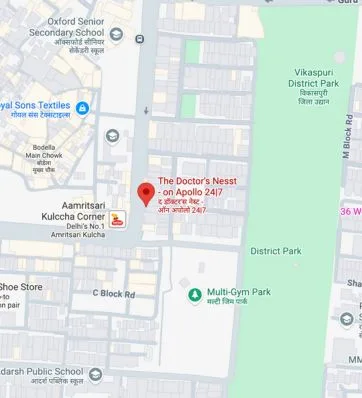
The Doctor's Nesst on Apollo
24/7
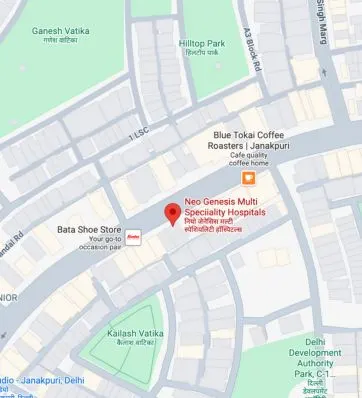
Neo Genesis Multi Speciiality
Hospitals

We provide compassionate and comprehensive women’s healthcare, offering gynaecology, obstetrics, fertility guidance, and preventive care to support you at every stage of life.


© Remedo 2025 | Dr. Parul Sharma | All Rights Reserved | Digital Marketing by Remedo