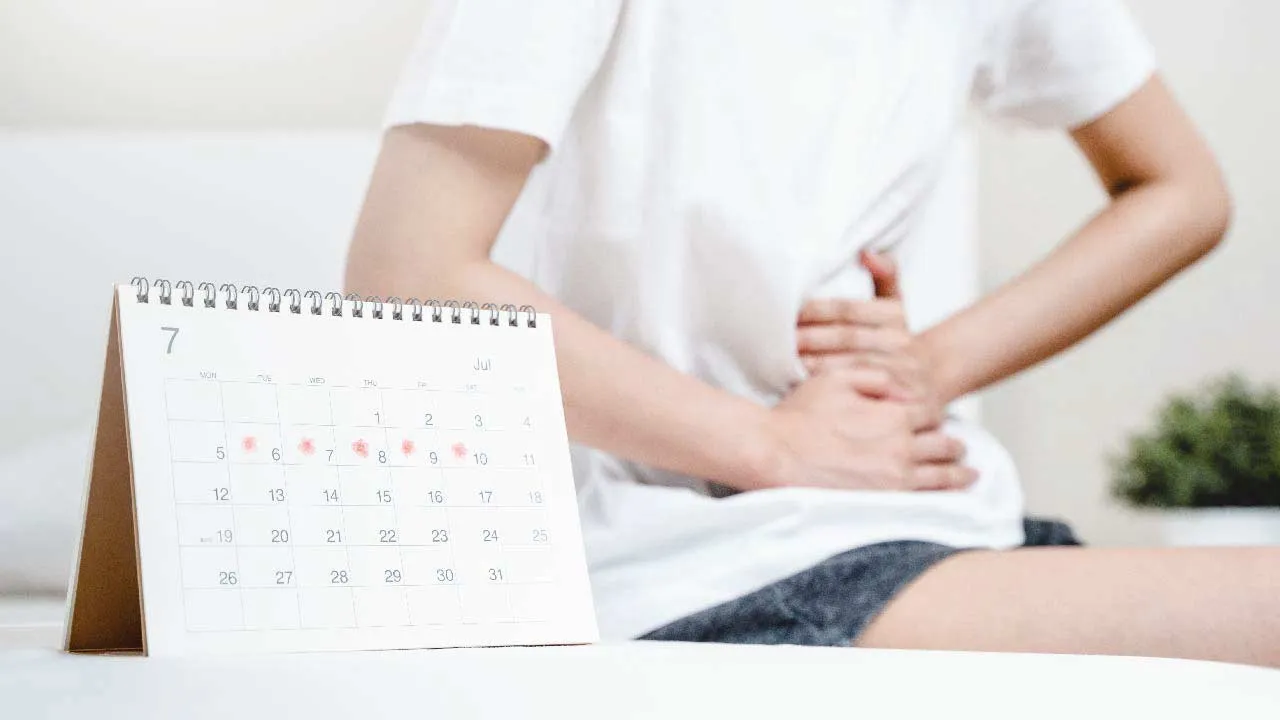
Menstrual periods are a natural part of reproductive health, yet every woman experiences them differently. While some women go through their monthly cycle with little to no discomfort, others experience severe cramps, back pain, fatigue, nausea, or emotional distress that disrupts daily life. This difference often leads many women to wonder why periods are painless for some and extremely painful for others.
At Dr. Parul Sharma’s Gynecology Practice, patients receive personalized care for menstrual health concerns, painful periods, hormonal conditions, and gynecological disorders. Dr. Parul Sharma is an Obstetrician & Gynaecologist with Fellowship in Gynae Oncology, offering comprehensive women’s healthcare focused on both preventive and advanced gynecological care.
Are Period Cramps Normal?
Mild cramping during periods is common and usually occurs because the uterus contracts to shed its lining. These contractions are triggered by hormone-like substances called prostaglandins.
For some women, these contractions are mild and barely noticeable. For others, they can become intense and painful.
Occasional mild discomfort is generally considered normal, but severe pain that affects daily activities should not be ignored.
Why Do Some Women Have Pain-Free Periods?
Several factors influence how a woman experiences her menstrual cycle.
Lower Prostaglandin Levels
Women who naturally produce lower levels of prostaglandins may experience milder uterine contractions and less menstrual pain.
Better Hormonal Balance
Stable hormone levels may contribute to smoother menstrual cycles with fewer symptoms.
Healthy Lifestyle Factors
Regular exercise, balanced nutrition, stress management, and good sleep can sometimes reduce menstrual discomfort.
Individual Pain Sensitivity
Pain tolerance varies from person to person. Some women may experience the same uterine contractions differently due to individual sensitivity.
Absence Of Underlying Gynecological Conditions
Women without conditions such as endometriosis, fibroids, or pelvic infections are more likely to experience less painful periods.
Why Do Some Women Experience Severe Period Pain?
Painful periods, also known as dysmenorrhea, may occur due to stronger uterine contractions or underlying medical conditions.
Higher Prostaglandin Production
Excess prostaglandins can increase the intensity of uterine contractions, leading to:
- Severe cramps
- Nausea
- Vomiting
- Diarrhea
- Headaches
- Endometriosis
Endometriosis occurs when tissue similar to the uterine lining grows outside the uterus. This condition can cause:
- Severe pelvic pain
- Painful periods
- Pain during intercourse
- Fertility issues
Uterine Fibroids
Fibroids are non-cancerous growths in the uterus that may lead to:
- Heavy bleeding
- Pelvic pressure
- Painful menstruation
- Adenomyosis
In adenomyosis, the uterine lining grows into the muscular wall of the uterus, often causing heavy and painful periods.
Pelvic Inflammatory Disease (PID)
Pelvic infections can lead to chronic pelvic pain and menstrual discomfort.
Ovarian Cysts
Some ovarian cysts may contribute to pelvic pain and menstrual irregularities.
Primary Vs Secondary Dysmenorrhea
Primary Dysmenorrhea
This refers to common menstrual cramps without an underlying disease. It often begins during teenage years and may improve with age.
Secondary Dysmenorrhea
This type of pain occurs due to underlying gynecological conditions such as:
- Endometriosis
- Fibroids
- Adenomyosis
- Pelvic infections
Secondary dysmenorrhea usually requires medical evaluation and treatment.
Symptoms That May Indicate Abnormal Period Pain
You should seek medical advice if you experience:
- Severe cramps every cycle
- Pain preventing daily activities
- Heavy menstrual bleeding
- Irregular periods
- Pelvic pain between periods
- Pain during intercourse
- Dizziness or fainting
- Symptoms worsening over time
Painful periods should not always be considered “normal.”
Can Stress Affect Period Pain?
Yes. Stress can influence hormone levels and muscle tension, potentially worsening menstrual symptoms.
High stress levels may contribute to:
- Increased cramps
- Delayed periods
- Irregular cycles
- Fatigue
- Mood changes
Managing stress may help improve overall menstrual well-being.
Lifestyle Habits That May Help Reduce Period Pain
Certain healthy habits may support menstrual comfort.
Regular Physical Activity
Exercise may improve blood circulation and reduce muscle tension.
Balanced Nutrition
A nutritious diet rich in fruits, vegetables, and hydration may help support hormonal balance.
Adequate Sleep
Proper sleep is important for hormonal regulation and overall health.
Heat Therapy
Warm compresses or heating pads may help relax uterine muscles.
Stress Management
Relaxation techniques, yoga, and mindfulness may help reduce menstrual discomfort in some women.
When Should You Consult A Gynecologist?
You should seek professional evaluation if:
- Period pain becomes severe
- Symptoms worsen suddenly
- Pain medications stop helping
- Menstrual cycles become irregular
- Heavy bleeding develops
- Fertility concerns arise
Early diagnosis can help identify treatable conditions and improve quality of life.
How Gynecologists Evaluate Painful Periods
Evaluation may include:
- Medical history
- Menstrual history
- Pelvic examination
- Ultrasound imaging
- Hormonal assessment
- Additional investigations if needed
A personalized treatment plan is created based on the underlying cause.
Treatment Options For Painful Periods
Treatment depends on the severity and cause of symptoms.
Options may include:
- Pain-relief medications
- Hormonal therapy
- Lifestyle modifications
- Treatment for underlying gynecological conditions
- Minimally invasive procedures in selected cases
The goal is to improve comfort, menstrual health, and overall well-being.
Emotional Impact Of Painful Periods
Chronic menstrual pain can affect:
- Work performance
- Emotional health
- Relationships
- Sleep quality
- Daily activities
Women experiencing persistent symptoms should know that medical support and effective treatment options are available.
Conclusion
Every woman experiences periods differently. While some may have pain-free cycles, others may experience significant discomfort due to hormonal factors, prostaglandin levels, or underlying gynecological conditions. Understanding these differences is important for recognizing when menstrual pain may require medical attention.
At Dr. Parul Sharma’s Gynecology Practice, patients receive compassionate and advanced care for menstrual disorders, painful periods, and women’s reproductive health concerns with a focus on long-term wellness and quality of life.
FAQs
Q: Why do some women have painful periods while others do not?
A: Differences in hormone levels, prostaglandin production, pain sensitivity, and underlying gynecological conditions can affect period pain severity.
Q: Are painful periods normal?
A: Mild cramps are common, but severe pain that affects daily activities may require medical evaluation.
Q: What conditions can cause severe menstrual pain?
A: Conditions such as endometriosis, fibroids, adenomyosis, pelvic infections, and ovarian cysts may cause painful periods.
Q: Can stress worsen menstrual cramps?
A: Yes, stress may affect hormone balance and increase menstrual discomfort.
Q: When should I see a gynecologist for period pain?
A: You should consult a doctor if pain becomes severe, worsens over time, or interferes with daily activities.
Q: Can lifestyle changes help reduce period pain?
A: Regular exercise, healthy diet, stress management, and proper sleep may help improve menstrual comfort.
Our Locations
Trusted Women’s Health Services at Convenient Locations
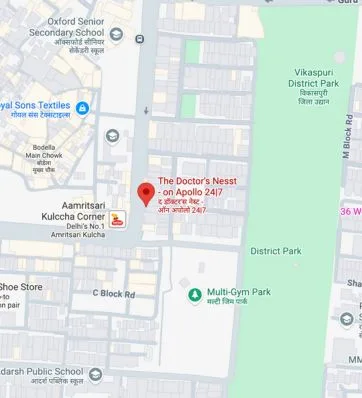
The Doctor's Nesst on Apollo
24/7
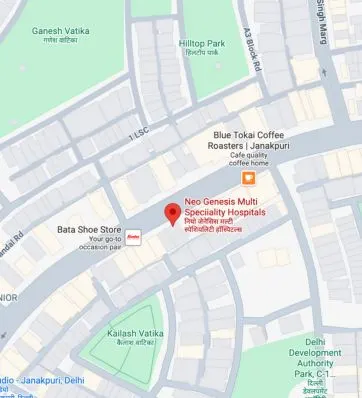
Neo Genesis Multi Speciiality
Hospitals

We provide compassionate and comprehensive women’s healthcare, offering gynaecology, obstetrics, fertility guidance, and preventive care to support you at every stage of life.


© Remedo 2025 | Dr. Parul Sharma | All Rights Reserved | Digital Marketing by Remedo